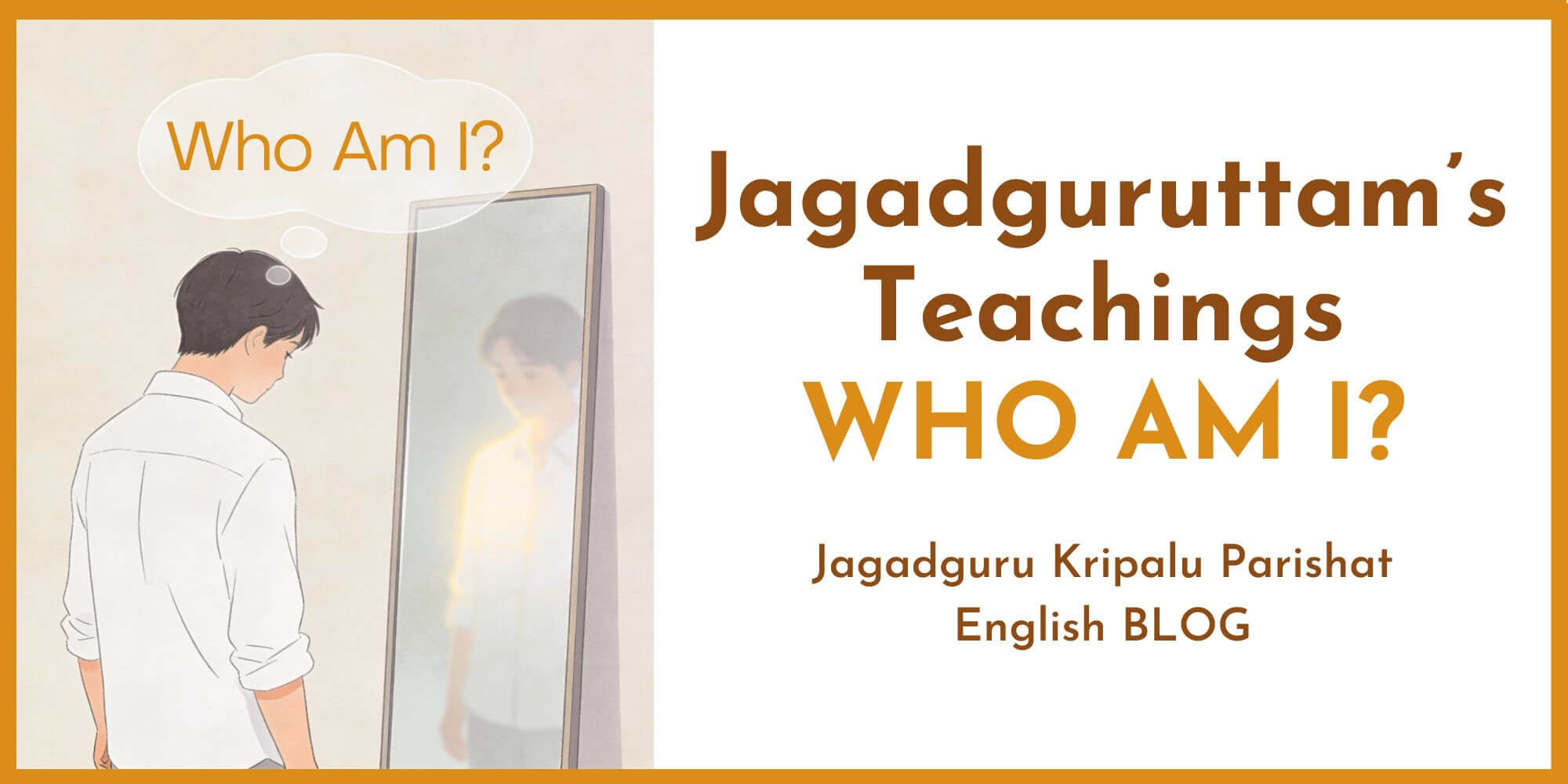
Jagadguruttam’s Teachings: WHO AM I?
By Jagadguru Shri Kripalu Ji Maharaj
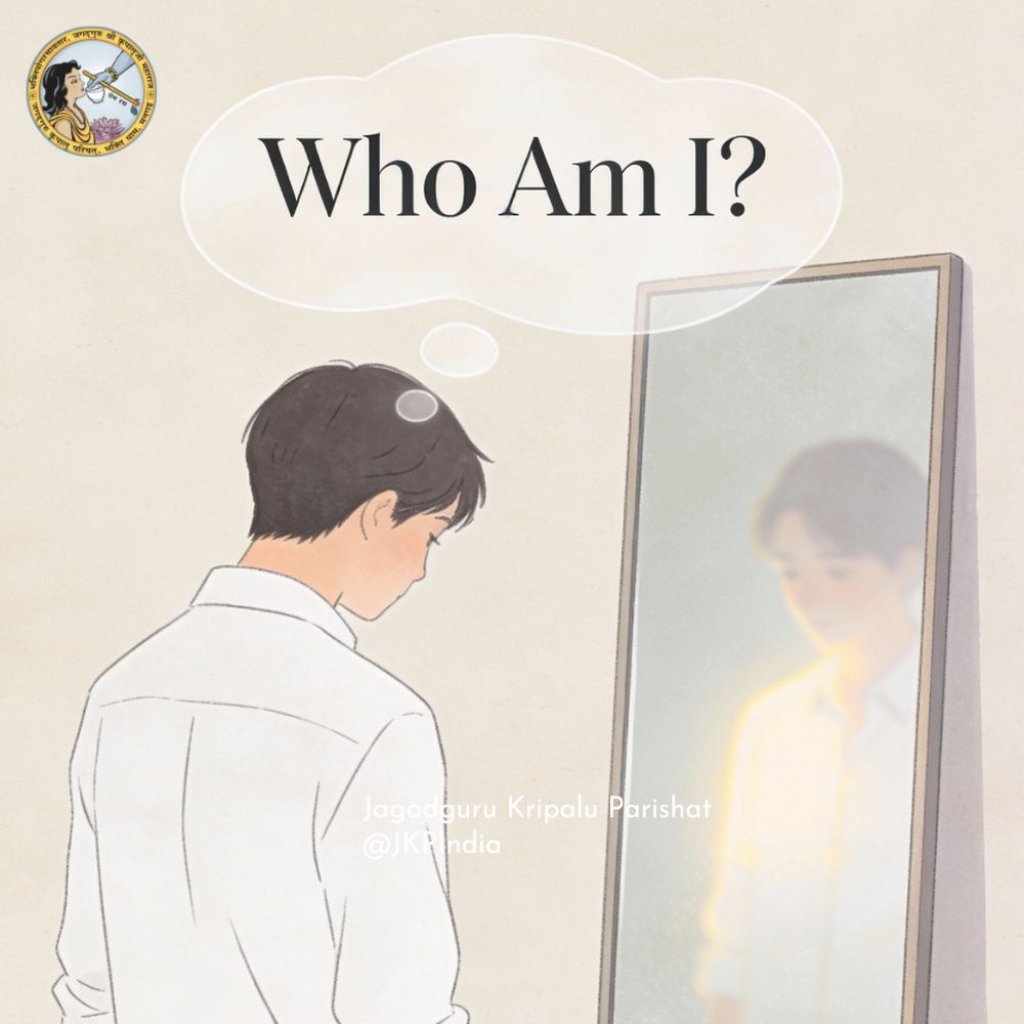
Countless lifetimes have passed but we have not been able to find out the solution for a single question. “Who am I? Very few people know the answer, maybe one in millions. So this is something we need to know!” The Vedas state, “O humans! The answer to this vital question is absolutely vital for you to know.
In a very simple understanding, the answer may be grasped like this:
That which is not mine — that is me.
My house, my father, my mother, my wife, my body, my mind, my intellect – all these appear to be “mine”, don’t they? Therefore, all these are not me. Where the sense of “mine” ends, that which remains – the one to whom all these belong – that is me. When this “I” departs, the “mine” comes to an end. Neither the mind remains, nor the intellect, nor the senses, nor even the body. Everything becomes zero. That is me.
Yet this “me” cannot be grasped by the senses. The mind cannot reach there, nor can the intellect go there. It is a divine principle and extremely subtle. No scientist, till today, has been able to see this “me”. Scientists have repeatedly tried various methods to observe, at the time of death, where the soul goes.
This “me” is called ātma in the Vedas, the scriptures, and the Purāṇas. “Who am I?” I am the jīva, I am the ātmā, soul. It has many names in different languages. Thus, the question arises: What is the jīva? This needs reflection.
First, let us turn to the Vedas. The Vedas state that we are parts of Brahman. Is there one Brahman? Yes. There is one Brahman, and I am His part – the jīva. Moving to the Purāṇas, the Bhāgavata declares that all jīvas are parts of God. The Gītā too says that this jīva is a part of God. God alone is our mother, father – everything. There is no one else who truly belongs to us. The Vedas affirm the same.
However, a question naturally arises. God is indivisible; He cannot be broken into pieces. Then how are we His “parts”? Normally, a part means a fragment, like a lump of clay being a part of the earth. How, then, are we parts of God?
The Gītā answers this clearly. God cannot be divided – that is correct. He is always indivisible, eternally whole. Therefore, we are called His “part” because we are His śakti – His power.
What is the proof of this? The Gītā explains that God has two powers: parā and aparā. The parā śakti is the jīva, and the aparā śakti is māyā. Thus, there are three principles: Brahman, jīva, and māyā.
The Vedas further clarify that only these three principles are to be known. There is no fourth principle – there never was, is not, and will never be. These three are: the experiencer, the experienced, and the inspirer. The inspirer is Brahman, the experienced is māyā, and the experiencer is the jīva. In other words, Brahman, jīva, and māyā have always existed and will always exist.
Brahman is eternal – (sanātan, nitya). The jīva too is eternal. Māyā also has existed eternally. If one were to imagine a comparison with God, there is one point where we do not lose – God is eternal, and so are we. If someone asks whether God came first or the jīva came first, the answer is: no one came first. We exist since God exists, and God exists since we exist. There was never a time when they were not. God, jīva, and māyā are all eternal.
Is there a difference among these three? Yes. Māyā is inert, whereas God and the jīva are conscious. The Vedas describe that in the heart of every being – human, animal, even a dog or a cat – there dwell two birds, two personalities. One is the jīva, and the other is God, our eternal Father. They reside in the same place. The jīva acts and experiences the results of actions, while God observes, records, gives the fruits of actions, and provides the power to act.
The jīva exists within Māyā. Māyā manifests in three forms – sattva, rajas, and tamas. At this point, another question arises. Some people say there is only one principle – Brahman and that there is no jīva or māyā. They claim that what is called jīva is itself Brahman. Vedānta has reflected deeply on this question. It is something we too must reflect upon – it is a serious question that has been going on since eternity. The question is: Are we God, or are we a separate personality from God, an individual soul distinct from Him? And what is the difference between us and God? This is what we need to understand.
Some people say, ‘I am Brahman.’ To what extent is this statement correct?” Have they gone mad, those who say such things – ‘I am Brahm, I am God’
In the Vedas, there are both kinds of declarations- that is, statements that speak of and statements that speak of non-difference (abhed-vādinī) and difference (bhed-vādinī). Some Vedic mantras say that we ourselves are Brahman, and some Vedic mantras say, ‘No, no.’ We cannot be Brahman.” We are His part; we are His servants.
So those who say that we are Brahman – that too is written in the Vedas, and those who say that we are separate – that too is written in the Vedas. Therefore, both have to be accepted as correct: that the power (śakti) is both different from the possessor of power (śaktimān) and also non-different from Him.”
We are the power (śakti) of God. We are also different from God, and also non-different from God – we are one as well, in certain respects.
What does the Vedant say? That is, God is vastly superior to the individual soul, The individual soul cannot be compared with the Supreme Soul. Just as a lump of iron cannot be compared to God, in the same way the individual soul cannot be compared to the Supreme Soul.
There is a very great difference between the jīva (individual soul) and God. Number one: God is the master of Māyā; we are under Māyā. That Māyā is God’s power – God is its controller, and we are within Māyā. So much difference. Māyā is making us wander through the 84 lakh life-forms; this discussion has been going on since eternity. God is not smaller than us, nor is God our senior – rather, Māyā has been making us dance since the beginning of time. This is what is said in the Vedas.
So God is the master of Māyā, and we are under Māyā. God is all-powerful. The Vedas say: God merely saw, and the universe came into being. He simply saw! No materials were required, no plan was needed, no prior knowledge of how to create it was required, no materials to build it, no separate thought process – He merely thought, and it came into existence. This is sat-saṅkalpa (perfect resolve).
Whereas we, if we are to build even a small enclosure or house, we need materials to build it, need the thought of building it, need time to build it, and must actually engage in the act of building – only then does it get built. But God made a resolve: ‘Let the universe come into being.’ He did not speak – He merely resolved. And it came into being. Now tell me, how great is the difference between us and God?”
In innumerable crores of universes, in every universe, in every world, in every country, in every region, in every village, in every pond, God alone records – at every single moment – the actions of infinite births of every living being. And we forget even our own words; we forget yesterday’s matters today. This is the state of our memory.
He is all-knowing, and we are limited in knowledge. God is all-powerful, and we possess only limited power. He is all-pervading, whereas we pervade only our own body. Between Him and us there is an infinite difference. Therefore, the jīva cannot be Brahman.
Alright then, tell me – when a soul attains God, does it become equal to Brahman? Because God gives all His powers? No. The Vedānta says: the work of creating the universe, the work of pervading the universe, and the work of dissolving the universe – these are not given even to perfected great souls; God Himself performs these. Vedānta says that in the enjoyment of bliss, the great soul and God become equal. The bliss that God possesses – that same bliss the jīva attains after attaining God. But the work of creation is performed by God Himself. This is the difference.
Now you have understood that in the Śāstras, the Vedas, and the Purāṇas, our true nature – ‘Who am I?’—has been explained: that I am a jīva, I am subtle, I am infinitesimal, I reside in the heart, I pervade the entire body, and I am the power of God; I am a part of God, I am a servant of God, and I exist within Māyā. God is the controller of Māyā with respect to the jīva; God’s rule operates over Māyā for the jīva. Now you have reached the point that we are under God, Māyā is also under God, and we ourselves are under Māyā as well.
Now another question arises: What do we want? Ask everyone. Someone will say, ‘I want wealth.’ Someone will say, ‘I want this, I want that.’ Everyone’s answers will be different. But whatever you want – why do you want it? You want wealth – why? So that worldly possessions will come. You want possessions- why? Because those possessions will give us happiness. Why do you want happiness? (Silence) – no one has an answer.
Everyone wants happiness. Dogs, cats, donkeys – whoever it may be – all want happiness.
See, no two people’s faces are the same. Even thumbprints do not match. Yet everyone wants happiness.
One person is a communist, another is a devotee of Ram and Krishna – yet everyone seeks happiness. The answer is one and the same.
All jīva constantly thinks, plans, and acts only for happiness. Where to go, what to see, what to hear, what to smell, what to eat, what to do – everything is for the sake of pleasure.
Since birth, we have received many great pleasures – wealth, relationships, comforts, recognition – yet that happiness has never come which makes the mind completely peaceful, where planning ends,where effort ends.
The Vedas tell us that only by knowing God (Bhagwan) can māyā be overcome, and only by knowing Him does sorrow come to an end. This jīva can attain true bliss only by attaining Him. Therefore, to attain Him, one must make effort – one must reflect, contemplate, and sincerely inquire into how He can be known.”
Uddhava once asked Shri Krishna, ‘Who is the greatest fool?’ (Bhāgavatam 11.19.42). Shri Krishna replied, ‘The greatest fool is one who identifies himself with the body.’
Even after witnessing death every day- seeing consciousness depart while the inert body remains – people continue to live in blindness. They weep when the body of their mother or father is taken away. This is our ignorance. The truth, however, is that the body itself is lifeless; within it resides a conscious entity called the jīva, the living being. It is this jīva – the soul that is truly alive and that gives life to the body.
The truth is this: we are living in a world of māyā or a ‘mental asylum’ made by God for those who do not yet recognize themselves. The relationships we cling to belong to the body, not to the soul. Yes, we must perform our duties toward parents, children, and others – but real love, inner attachment, must be kept only for God. He alone is ours, and we alone are His.
When the heart turns toward Him, clarity dawns, sorrow ends, and the soul finally understands: ‘Who am I?’
By Jagadguru Shri Kripalu Ji Maharaj
(Credits: Who Am I? Who is Mine? – Book By Jagadguru Shri Kripalu Ji Maharaj)
To discover more about your true self –
Download JKP’s Sanatan Vedic Dharm App where you have access to special lectures delivered by Jagadguru Shri Kripalu Ji Maharaj, dubbed in English and lots more.
A brief introduction of Jagadguru Shri Kripalu Ji Maharaj*
(Known by His devotees as Shri Maharaj Ji)
The original title of Jagadguruttam (Greatest Spiritual Teacher of the World) was bestowed upon Shri Kripalu Ji Maharaj on January 14, 1957, by Kashi Vidvat Parishad (a council of 500 greatest scholars saints of India). He composed divine texts like Prem Ras Madira, Prem Ras Siddhant, and Radha Govind Geet to lead us on the right path of devotion. He also gave priceless monuments as gifts to the world which include Bhakti Mandir located in Bhakti Dham, Mangarh, Prem Mandir located in Vrindavan Dham, and Kirti Mandir located in Barsana Dham. Shri Maharaj Ji also built hospitals for the impoverished, the Jagadguru Kripalu Chikitsalaya in Vrindavan, Jagadguru Kripalu Chikitsalaya in Barsana, and another one in Pratapgarh. All three help millions of underprivileged to gain free access to medical care. His Kindergarten, School, and College for impoverished girls Jagadguru Kripalu Parishat Education is located in Kunda and provides completely free education. To stay updated with all the news and events of Jagadguru Kripalu Parishat, visit www.jkp.org.in/jkpwhatsapp.
Follow us on Social
Recent Posts
Shri Radha Rani: The Divine Beauty That Enchants Even Krishn...
14 September 2026
Shri Radha Rani and Shri Krishna: Not two but one Divine Ent...
14 September 2026
Radha Rani: Her Divine Appearance and Transcendental Form
14 September 2026
The Art of Surrender: How to Let Shri Krishna Take Care of Y...
1 September 2026
How to Meditate on Shri Krishna
30 August 2026
The Divine Appearance of Shri Krishna
23 August 2026
The True Spirit of Hariyali Teej
14 August 2026
Guru Purnima Special: Why does God send Gurus to this World?
14 August 2026
Guru Purnima Special: Who is Greater – Guru or God?
24 July 2026
Guru Purnima Special: How does one find a true Guru?
24 July 2026
What Do You Have to Be Proud Of?
26 June 2026
What can the world really give us?
12 June 2026
Free Will: Choosing between God and the World
29 May 2026
Engage the Mind and Senses in Devotion
21 May 2026
Training the Mind in Bhakti
30 April 2026
Who is More Important – Sita or Ram?
25 April 2026
Akshaya Tritiya: Its True Significance
20 April 2026
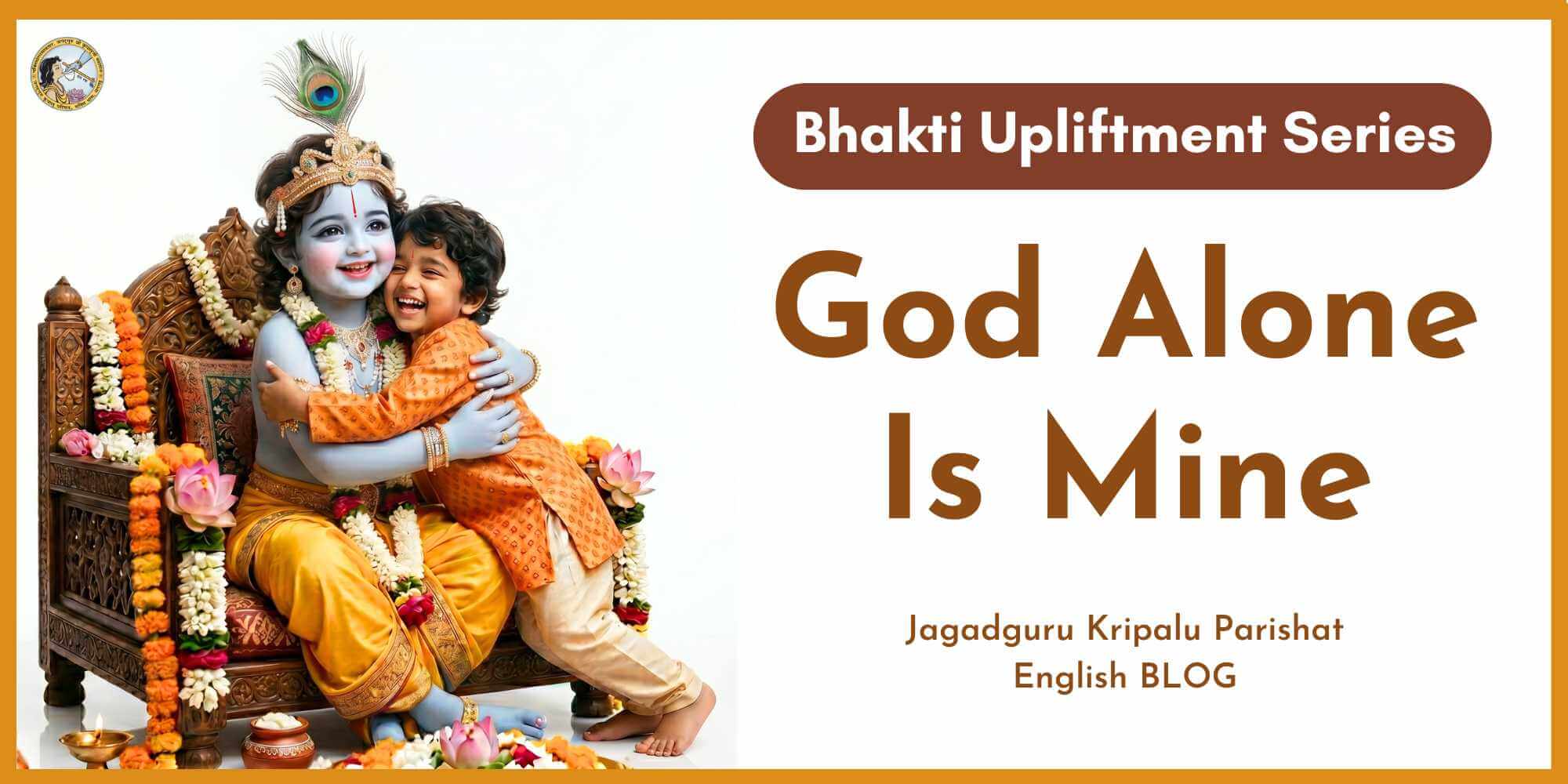
God Alone Is Mine
18 April 2026
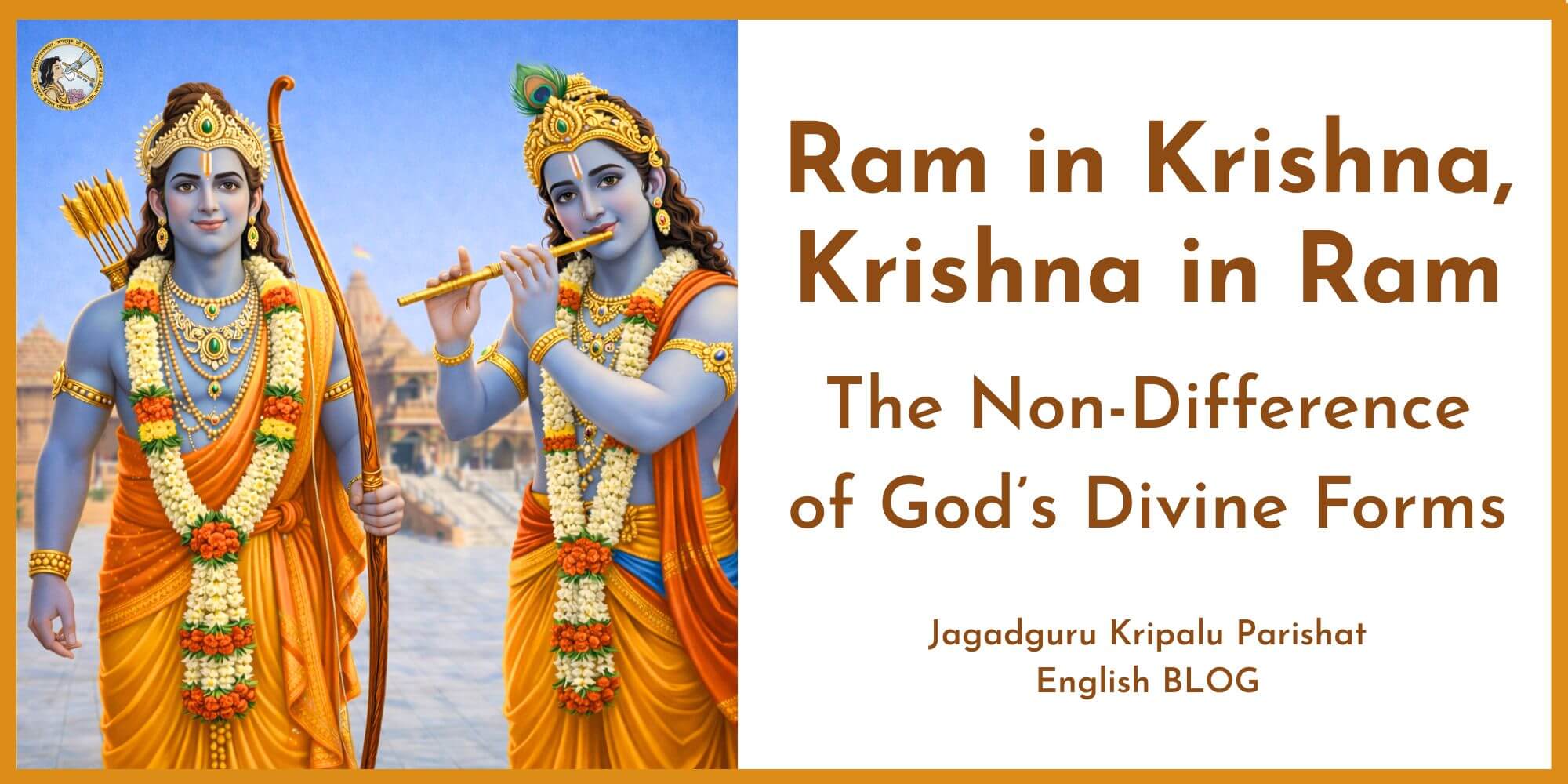
Ram in Krishna, Krishna in Ram
28 March 2026
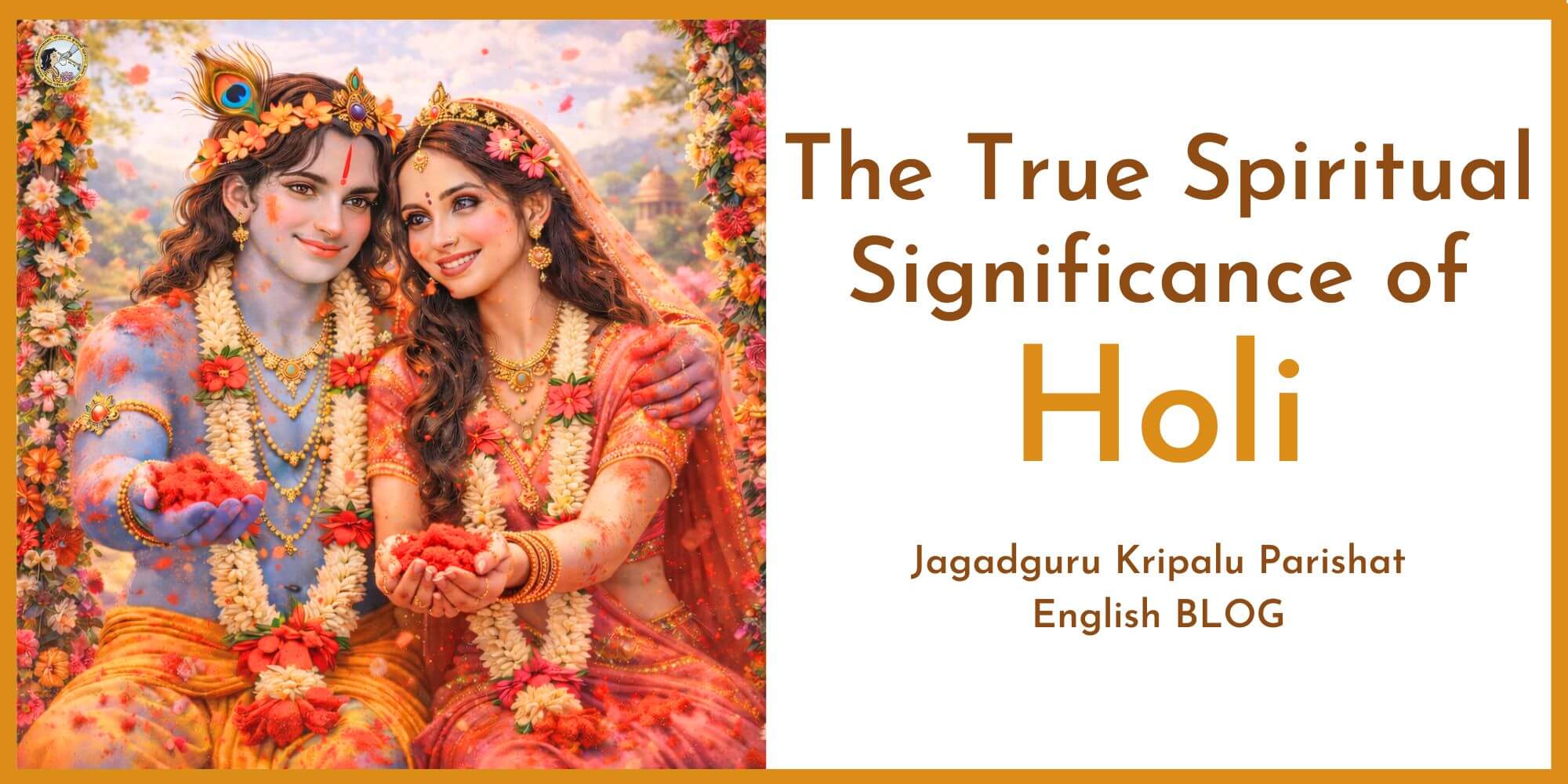
The True Spiritual Significance of Holi
5 March 2026
Gaurang Mahaprabhu: The Incarnation of Divine Love
5 March 2026
Mahashivratri -Understanding the Oneness of the Divine
14 February 2026
Beyond Valentine’s Day: The Divine Love of Gopi Prem
14 February 2026
Jagadguruttam’s Teachings: How to Practice Bhakti for Shri...
17 January 2026
Jagadguruttam’s Teachings: Where is True Happiness?
17 January 2026
Jagadguruttam’s Teachings: WHO AM I?
17 January 2026
The New Year: A Time for Reflection
2 January 2026

Tulsi and Shaligram Vivah
2 November 2025
Akshay Navami: Remembering Radha Rani’s Lotus Feet
31 October 2025
Gopashtami: When God Became a Cowherd
29 October 2025
The Story Behind the Worship of Giriraj Govardhan
22 October 2025
Sharad Purnima Special – Always Feel the Presence of G...
5 October 2025
10th Anniversary of Jagadguru Kripalu Chikitsalaya, Vrindava...
26 September 2025
Janmashatami Special – Why connect with Shri Krishna?
11 August 2025
Janmashatami Special – Who is Shri Krishna?
5 August 2025
Who is More Merciful – God or the Saint?
11 July 2025
Who is Lord Jagannath?
27 June 2025
True Yoga: A Union of Body, Mind and Soul
22 June 2025
Celebrating Father’s Day with God
13 June 2025
Shri Radha Rani – Our Eternal Mother
10 May 2025
Sita is Ram, Ram is Sita
5 May 2025
Hanuman Ji’s Unmatched Seva
12 April 2025
Beyond Colors: Prahlad’s Teachings & the Spiritual Si...
15 March 2025
Beyond Colours: Prahlad’s Teachings & the Spiritual S...
14 March 2025
Who is Gaurang Mahaprabhu?
13 March 2025
What Blessing Should One Ask from Bhagwan Shiva?
24 February 2025
Celebrating 13 Glorious Years of Prem Mandir
22 February 2025
Gopi Prem Day – A Celebration of Divine Love
14 February 2025
Where does the soul go after death?
26 January 2025
The Relationship between God and the Soul – (The Real ...
21 January 2025
The Relationship between God and the Soul (The True Meaning ...
18 January 2025
The Relationship between God and the Soul
3 January 2025
Celebration or Contemplation on New Year
31 December 2024
The Unconditional Grace of God and Mahapurush
22 December 2024
Spiritual Leaders of Vrindavan Unite in Unprecedented Suppor...
10 December 2024
An Icon of Selfless Service: Remembering Her Holiness Sushri...
30 November 2024
A Soulful Tribute from the Preachers of Jagadguru Shri Kripa...
30 November 2024
The Story Behind Tulsi Vivah
11 November 2024
The Significance of Akshay Navami
10 November 2024
Bhaiya Dooj Celebrations
3 November 2024
Govardhan Pooja
2 November 2024
The secret behind celebrating Dhanteras
26 October 2024
Essence of Karwa Chauth
19 October 2024
Sharat Purnima, The Crest Jewel of all Festivals
18 October 2024
What is Roopdhyan by Jagadguru Shri Kripalu Ji Maharaj
12 October 2024
How do we control our Anger?
26 September 2024
Shri Radha Rani: The Essence of Divine Love
5 September 2024
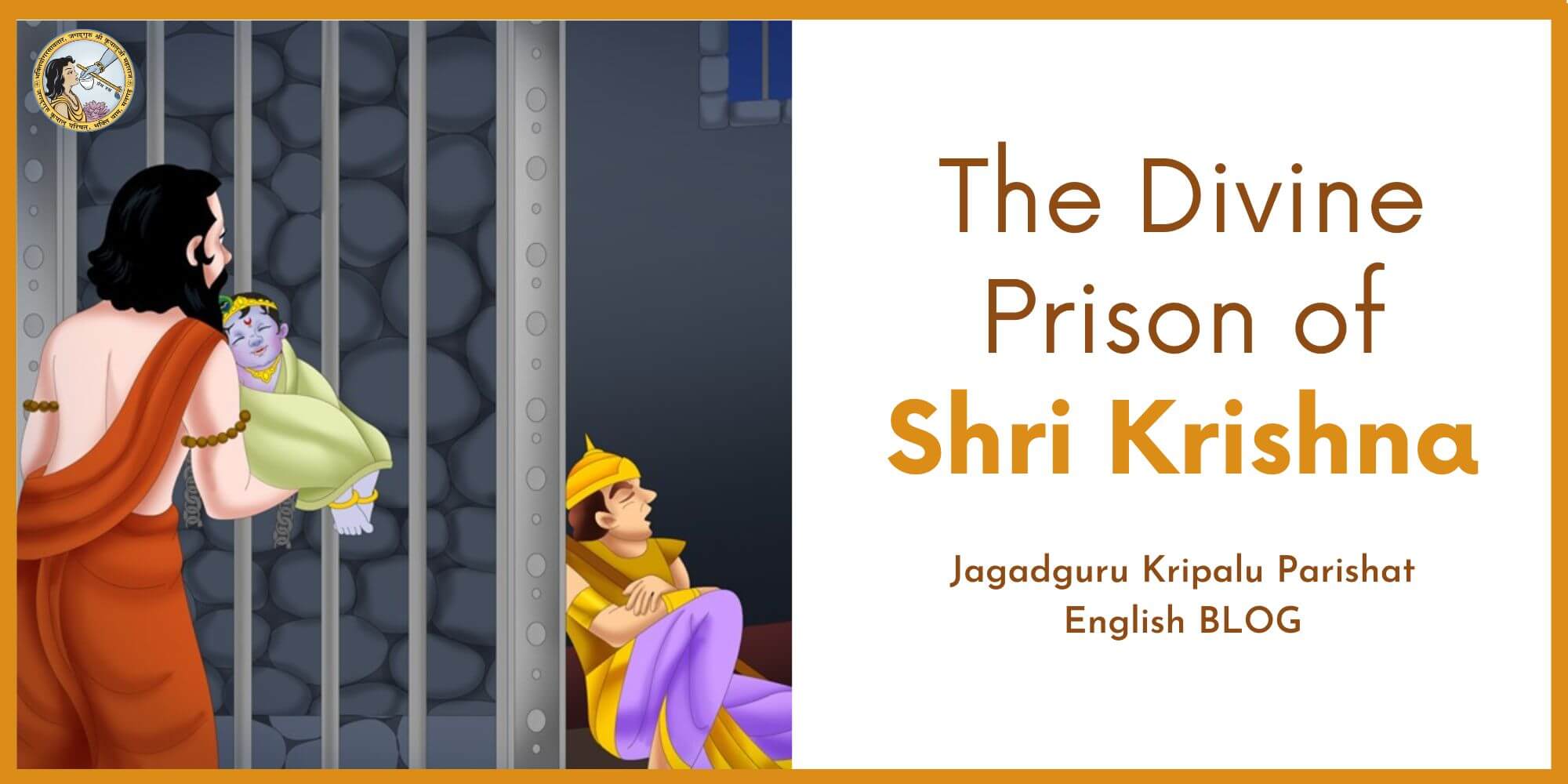
The Divine Prison of Shri Krishna
31 August 2024
How to Build a Personal Relationship with Lord Krishna
25 August 2024
How to celebrate Raksha Bandhan
19 August 2024
The Significance of Hariyali Teej
7 August 2024
Rama Naam Satya Hai
5 August 2024
How to Engage Your Mind in God
5 August 2024
The importance of a Guru in a devotee’s life
15 July 2024
True meaning of ‘Yoga’ (Yog)
21 June 2024
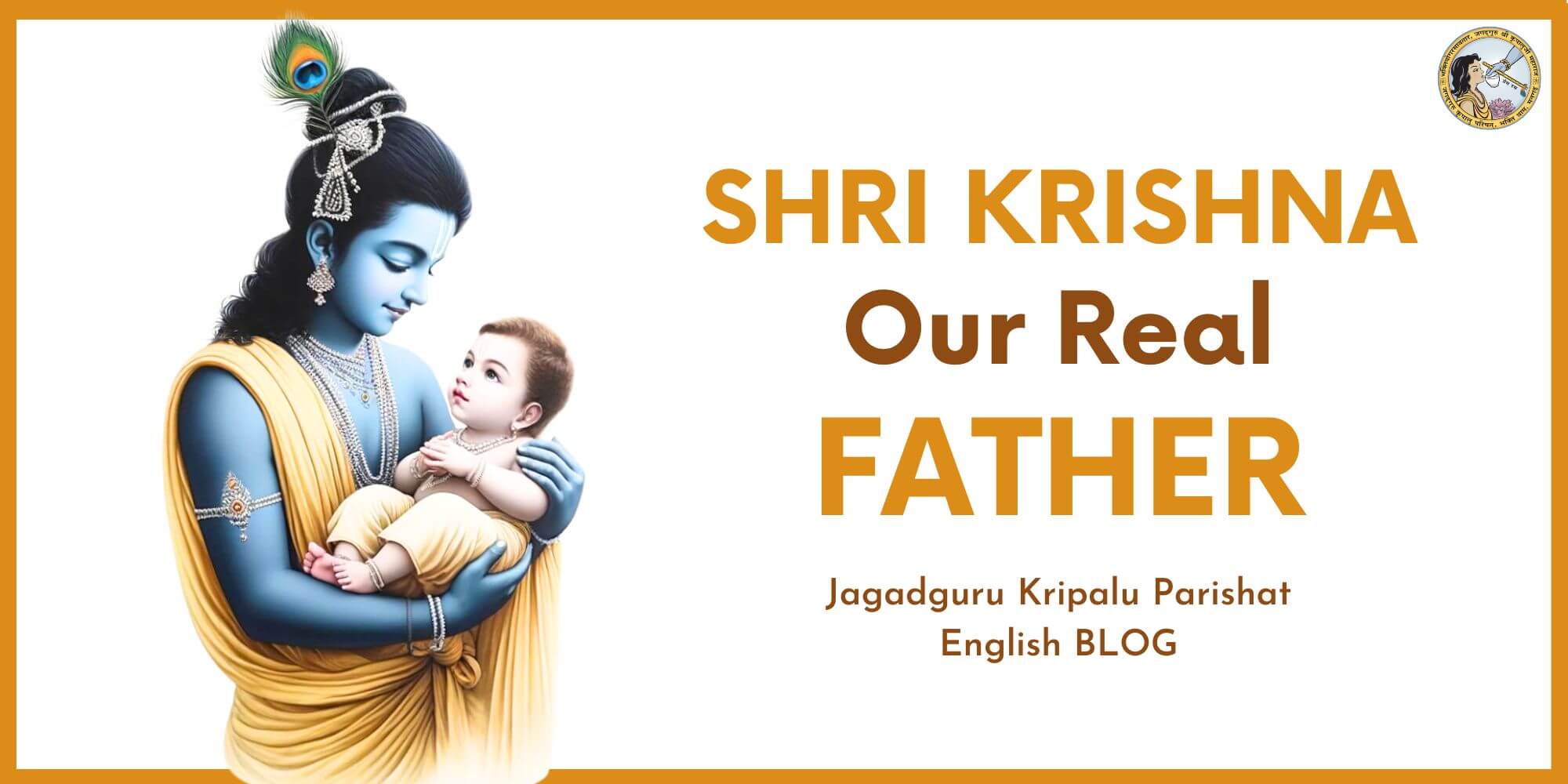
Shri Krishna, Our Real Father
15 June 2024
How to control the mind?
2 June 2024
True Happiness
2 June 2024
How Fortunate You Are
31 May 2024
Narasimha Jayanti
19 May 2024
Importance of Sita Navami
15 May 2024
Importance of Mother’s Day
13 May 2024
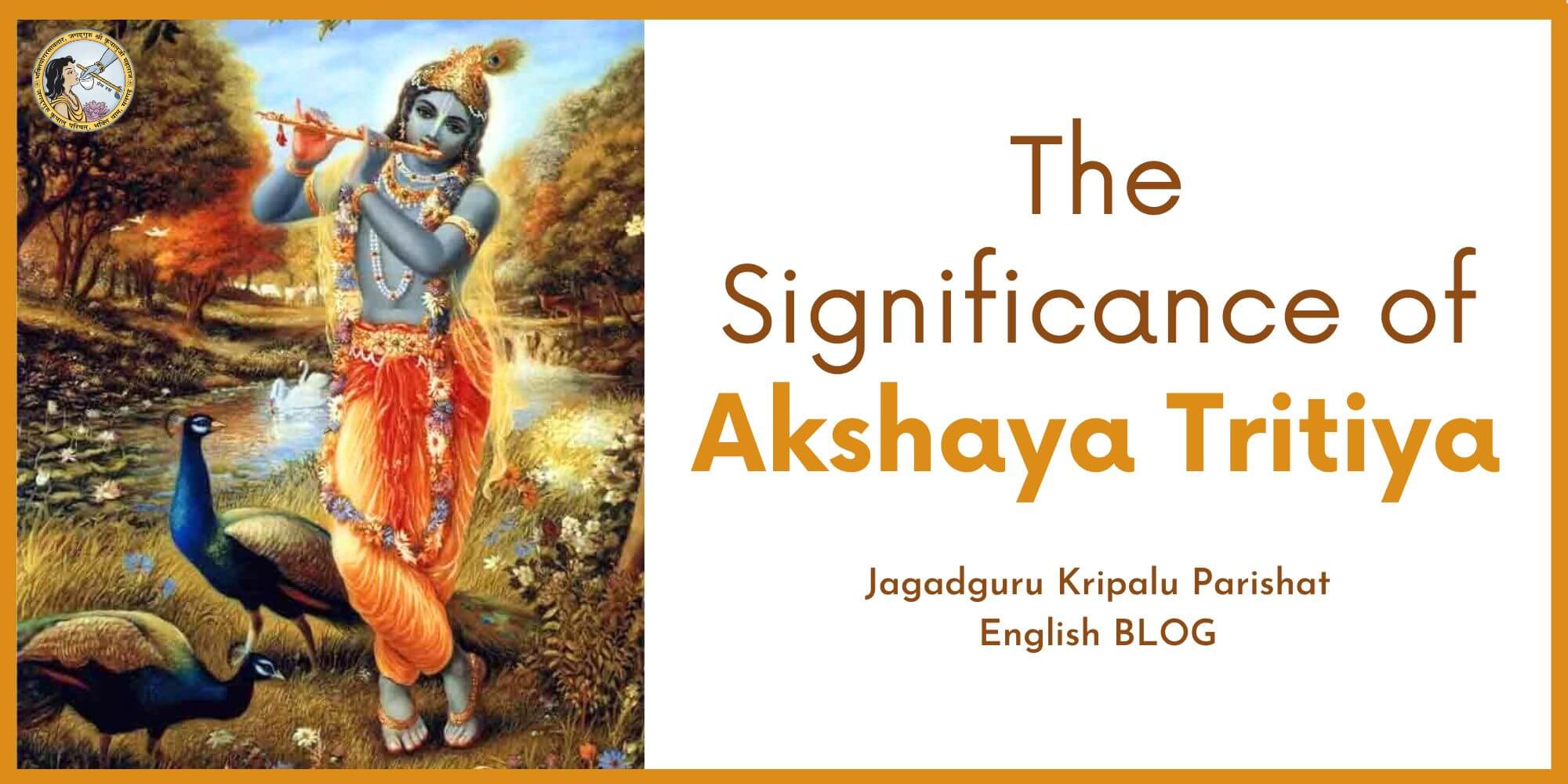
The Significance of Akshaya Tritiya
9 May 2024
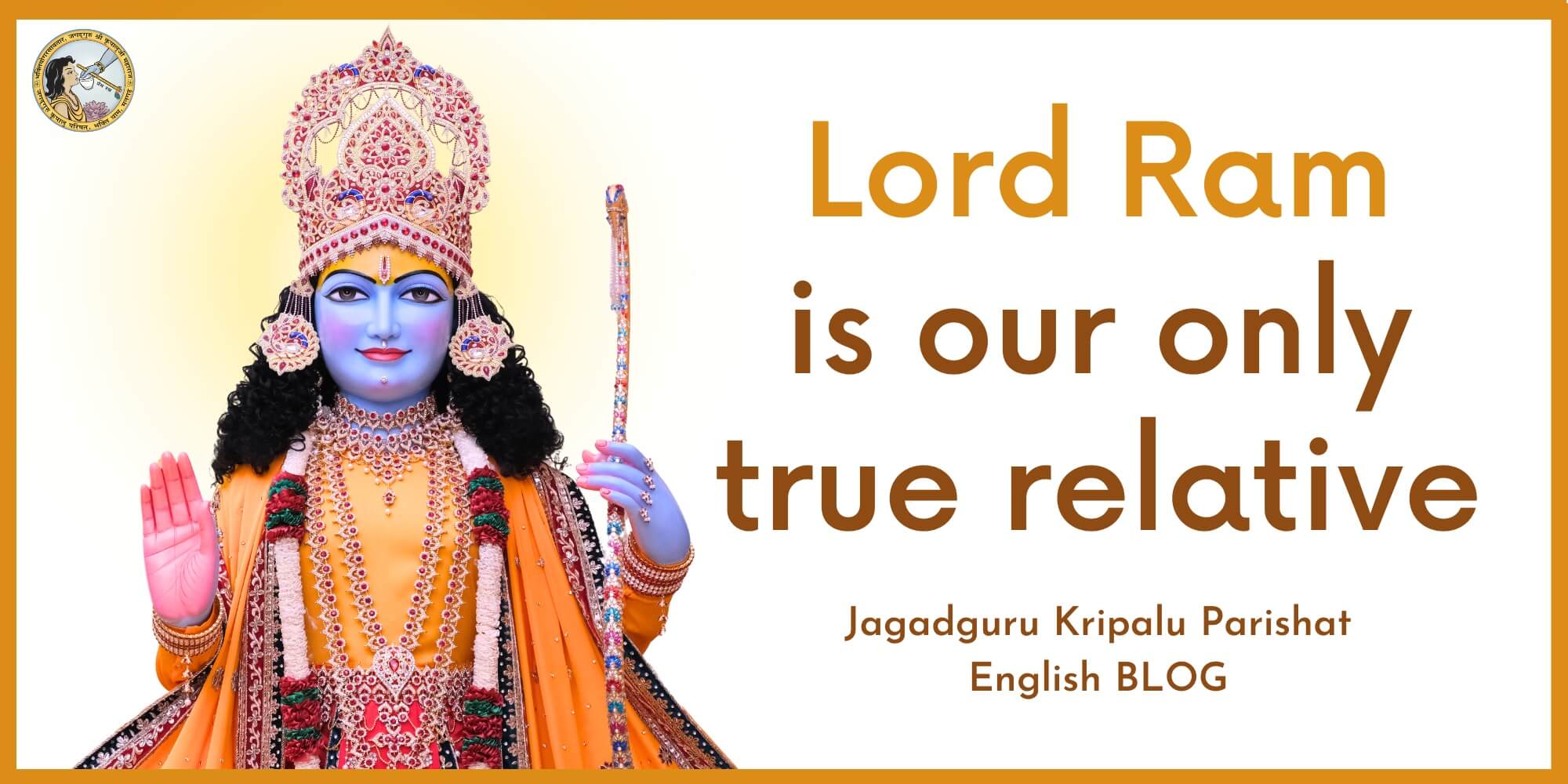
Lord Ram is our only True Relative
3 April 2024
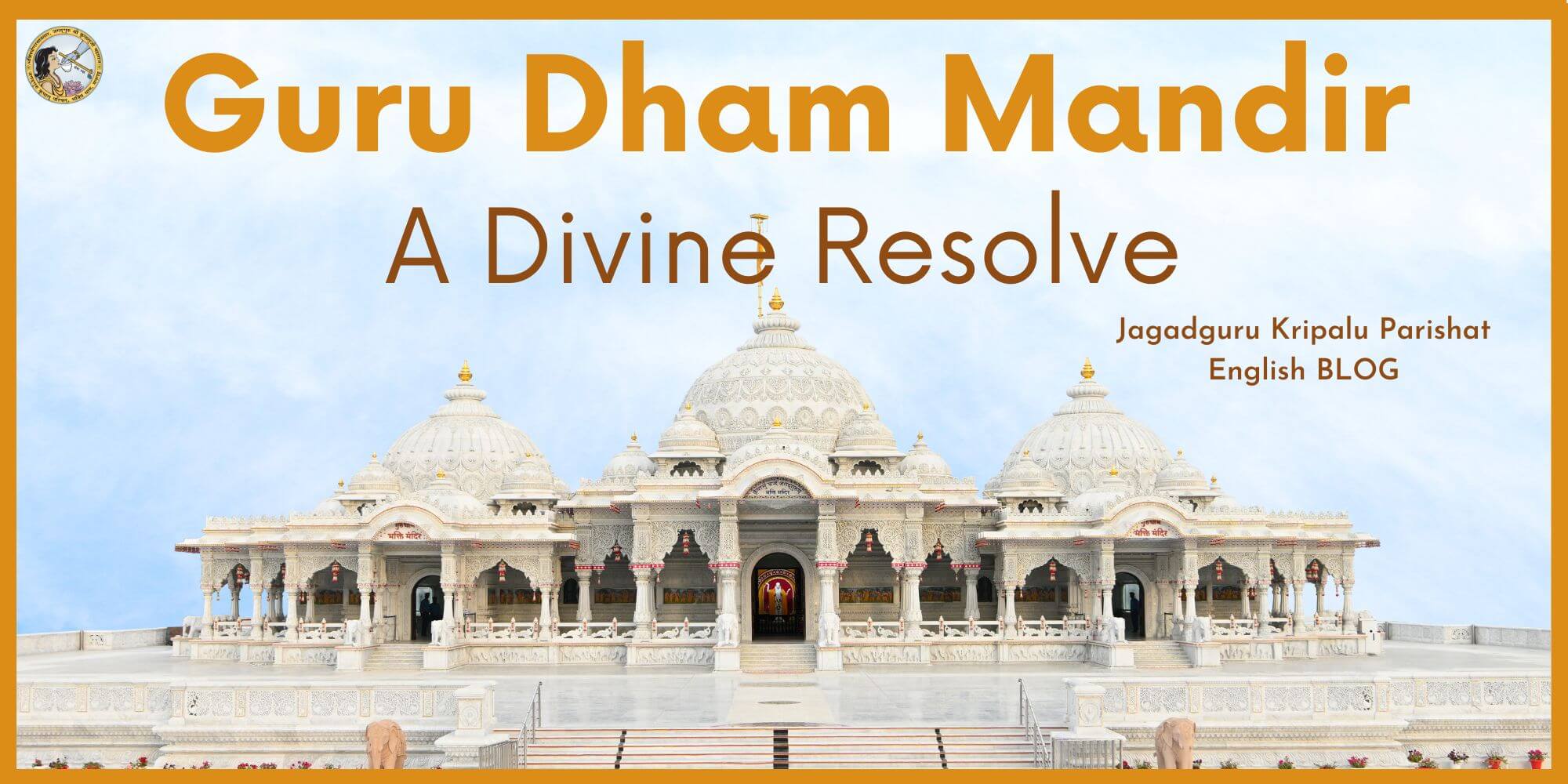
Shri Guru Dham, Bhakti Mandir – A Divine Resolve
27 March 2024
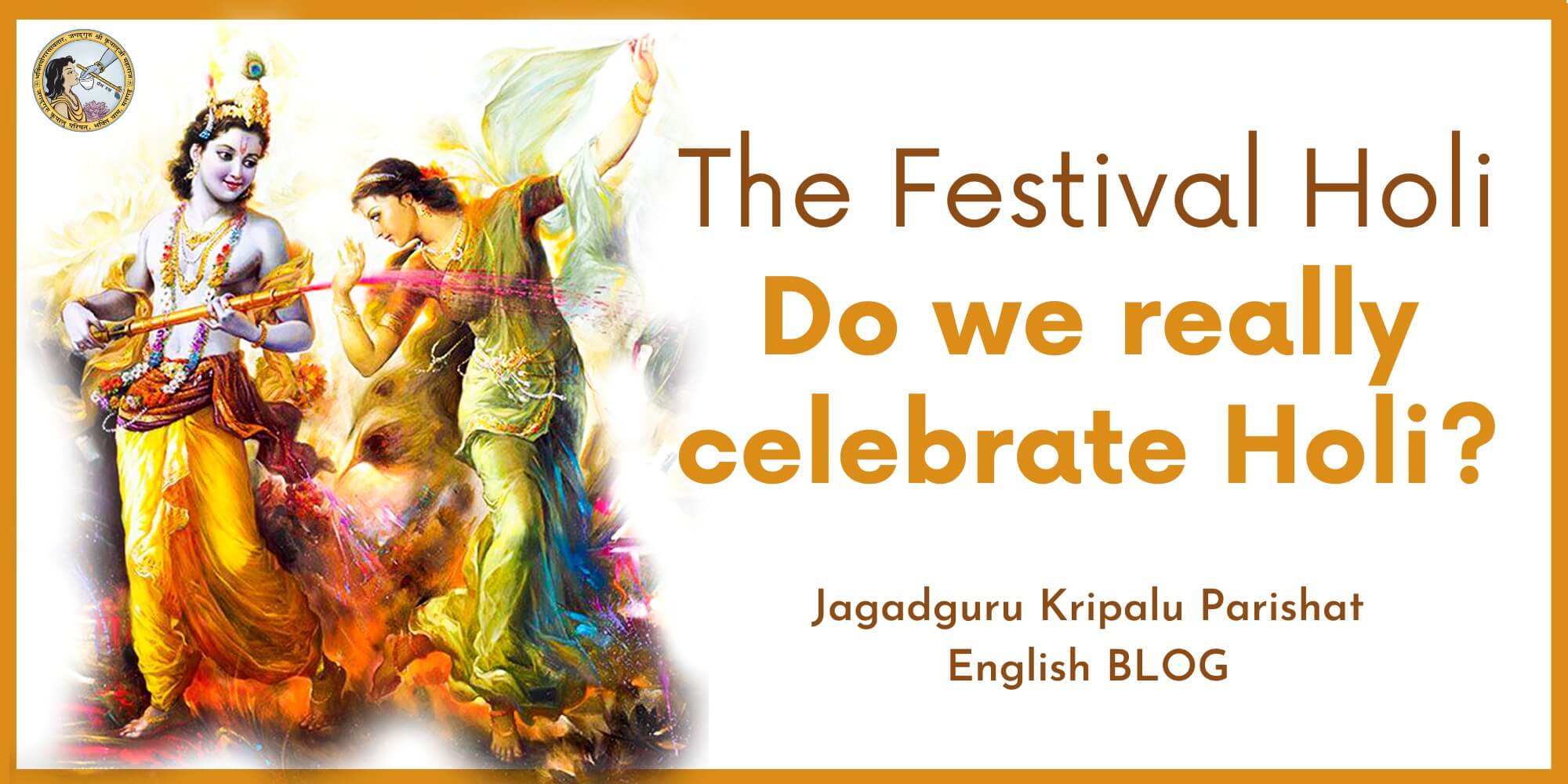
The Festival Holi
25 March 2024
Bhakti of Lord Shankar Ji
7 March 2024
12th Anniversary of Prem Mandir
6 March 2024
Gopi Prem
13 February 2024
A Tale of Shabari
22 January 2024
Guru Dispels Darkness
14 January 2024
GOD and GURU
14 January 2024
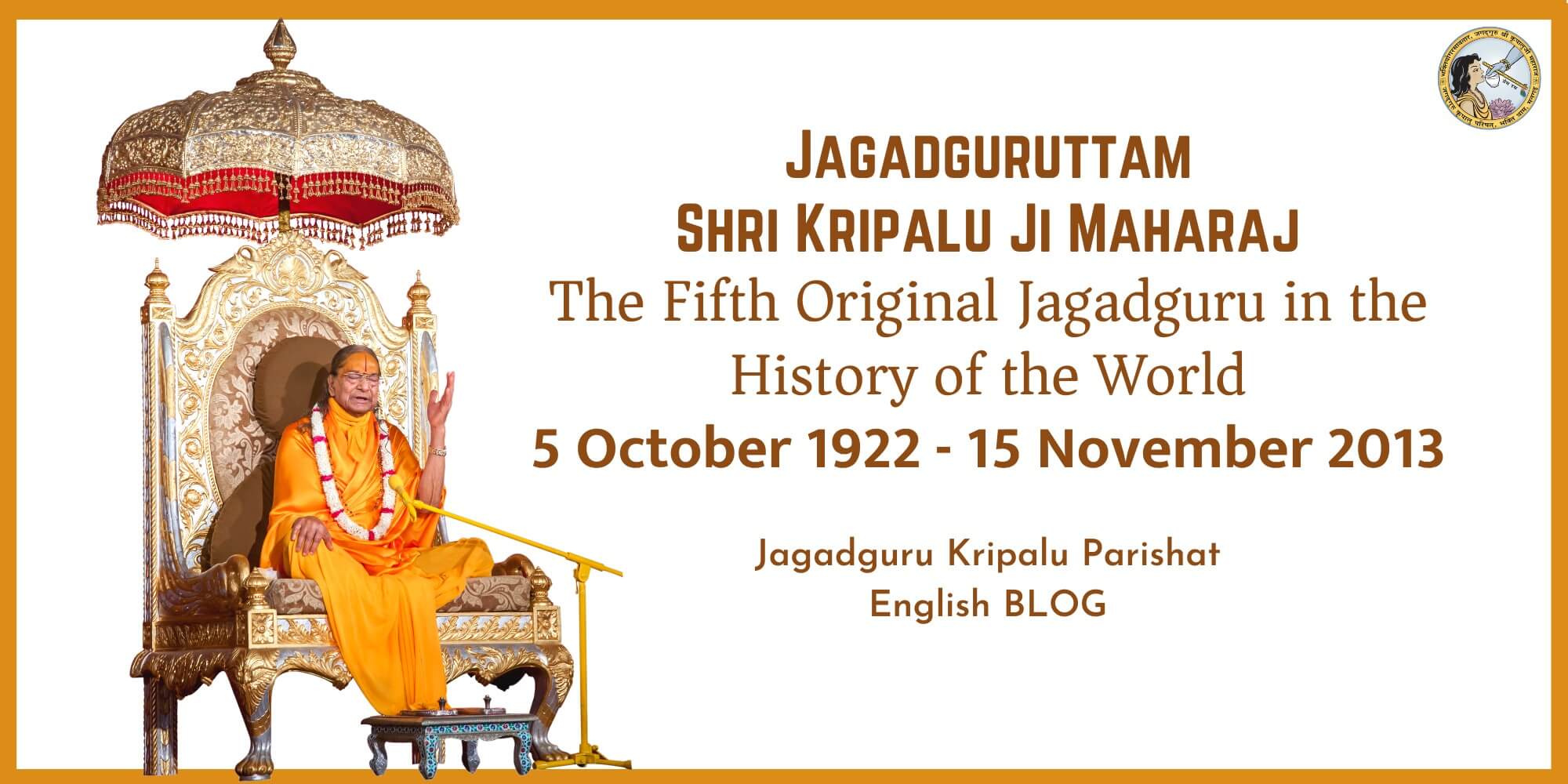
Jagadguruttam Shri Kripalu Ji Maharaj
14 January 2024
New Year Message by Jagadguru Shri Kripalu JI Maharaj
30 December 2023
The Supremacy of Divine Name ‘RADHE’
30 December 2023
Akshay Navami
21 November 2023
Significance of Govardhan Pooja
13 November 2023
The Significance of Diwali
9 November 2023
Meaning of Karwa Chauth
31 October 2023
Sharat Purnima has come once again…
27 October 2023
Sharat Purnima
27 October 2023
How to find true peace and happiness?
13 October 2023
What is my relationship with God?
13 October 2023
Who is Shri Radha?
21 September 2023
The Supremacy of the Divine Name, ‘RADHE’
19 September 2023
What is our relationship with Shri Krishna? Part 3
28 August 2023
What is our relationship with Shri Krishna? Part 2
28 August 2023
What is our relationship with Shri Krishna? Part 1
28 August 2023
The Significance of Naag Panchami
21 August 2023
The Profound Significance of Guru Purnima
30 June 2023
THE GURU
30 June 2023
Why do we have mood swings?
28 May 2023
Discovering the True Mother on Mother’s Day
12 May 2023
How do we become more tolerant?
4 January 2023
What is the root cause of poor Mental Health?
16 December 2022
How to Improve your Mental Health in 3 simple steps
9 December 2022
How to end suffering and increase our Atman Shakti?
8 December 2022
Guru Purnima Special: What is Guru Tattva?
24 July 2026