The True Spiritual Significance of Holi
(Speech by Jagadguru Shree Kripalu ji on the occasion of Holi)
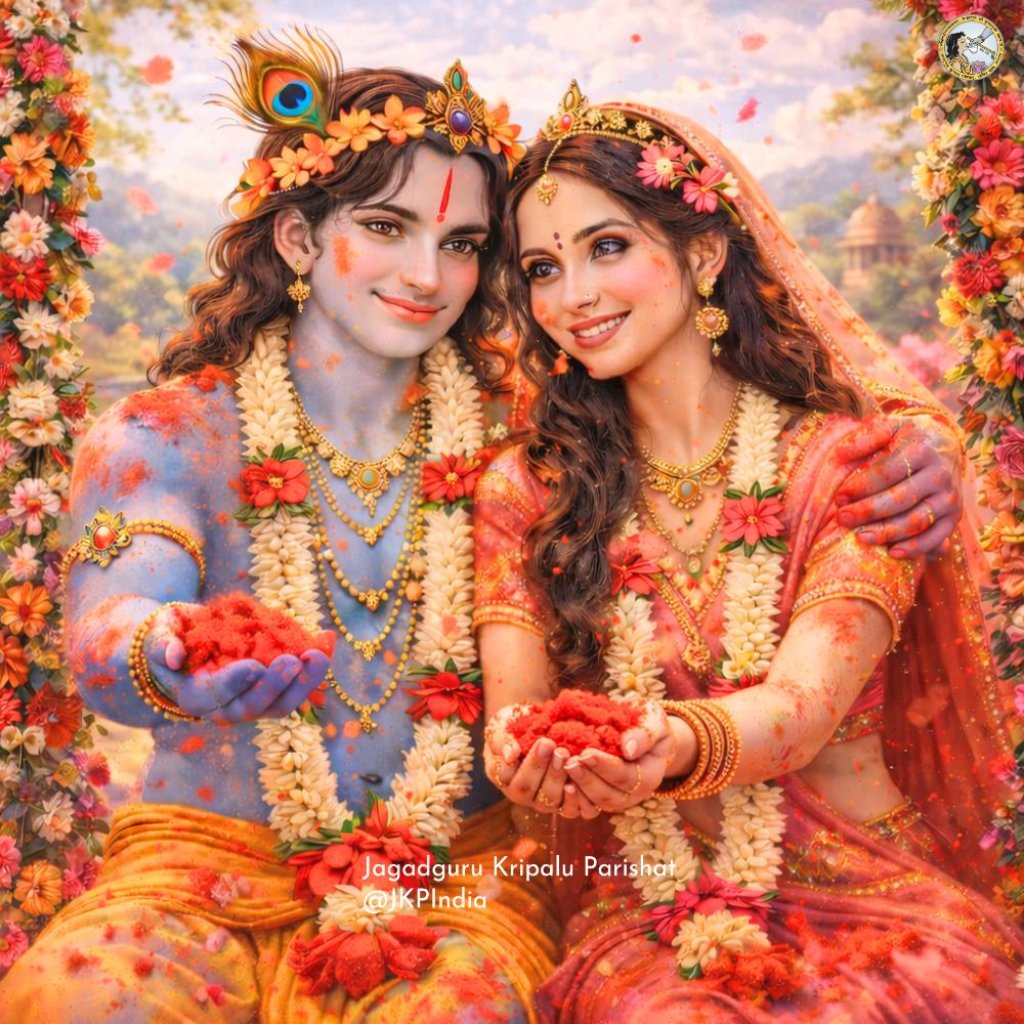
Only a few people know the spiritual and Vedic secret of the festival of Holi. Most regard it merely as worldly amusement. They think of it as a game, just as there are games like cricket, they take Holi to be another form of mental entertainment. They apply colours, gulal, and even mud to one another, engaging in playful activities.
To such an extent has it gone that even high profile individuals organise Moorkh Sammelans, Conferences of Fools. Now tell me, is there any shortage of fools? What is the point of organising a conference of fools? In truth, everyone is a fool. Uddhav once asked God, “Who is known as a fool?” God replied, “The one who identifies himself with the body is known as a fool.” According to this definition, everyone is a fool except for a handful of saints. Then what is the purpose of holding a conference of fools? People laugh enthusiastically and even distribute titles such as “Crest Jewel of Fools,” “Most Outstanding Fool,” and “The Brightest Fool.”
But the true mystery of Holi is that God is all pervading. God possesses infinite attributes. The one who says that God has one hundred thousand, ten million, or even a billion attributes is naive, like a child. It is not so. God has infinite attributes. They cannot be counted. There is no end to His qualities.
Among these infinite attributes is that God is all pervading. For example, oil exists in sesame seeds, yet it is not visible. Clarified butter exists in milk, yet it is not visible. Fragrance exists in flowers, yet it is not visible. Similarly, God is all pervading, but He is not visible to us.
That is why the Vedas describe God as formless. He has no material form. Why is He called formless? Because that divine God cannot be seen with these material eyes made of the five elements. Even when He appears in His personal form, He is not visible in His almighty aspect. Even the soul itself cannot be seen, so how could the Supreme Soul be visible?
The Vedas, scriptures, and Puranas declare that God is all pervading. Saints who have realised Him also say they see Him everywhere. But how do we believe this? There are only a handful of saints who proclaim it. People dismiss them, saying they must have mental problems. That is all.
Consider how many inventions have taken place in recent times. If someone had said one or two hundred years ago that a thing called television could exist, everyone would have called him mad. No one would have believed it. Yet today even an illiterate person says, “Why not? You can see what is happening in England right from here.” What once seemed impossible in material science has now become ordinary.
But when it comes to God, everything is declared impossible because we are material and He is divine. So God thought that people would not accept His omnipresence merely through indirect description. The method must be evident, not paroksh. Paroksh means that which cannot be experienced directly, what cannot be perceived by the senses, mind, or intellect.
Prahlad was a saint, a God-realized soul. He used to say that God is all pervading, that he saw Him everywhere. His father, King Hiranyakashipu, was burning with revenge because God had killed his brother Hiranyaksh. He thought, “I will kill God and take revenge.” We see similar tendencies in the world even today.
Hiranyakashipu tried to persuade little Prahlad to abandon his devotion to God, but Prahlad remained unwavering in his faith. Enraged by his son’s steadfastness, Hiranyakashipu grew increasingly harsh. He began subjecting him to physical punishments, yet none of them had any effect. At last, blinded by anger and pride, he resolved to have him killed. He wanted to kill his own son! In those days, only the king’s son would inherit the throne. If his only son died, he would have no descendants. Yet he rejected the Vedas and scriptures and declared, “Nothing happens after death. Kill him.”
He tried every possible method. He brought large cobras and placed Prahlad among them. The snakes crawled over him but did not bite him. He poisoned him, yet nothing happened. He pushed him off a cliff and threw him into the ocean. He tried to have him trampled by elephants. Every attempt failed. Prahlad wondered, “Why is nothing happening to me?”
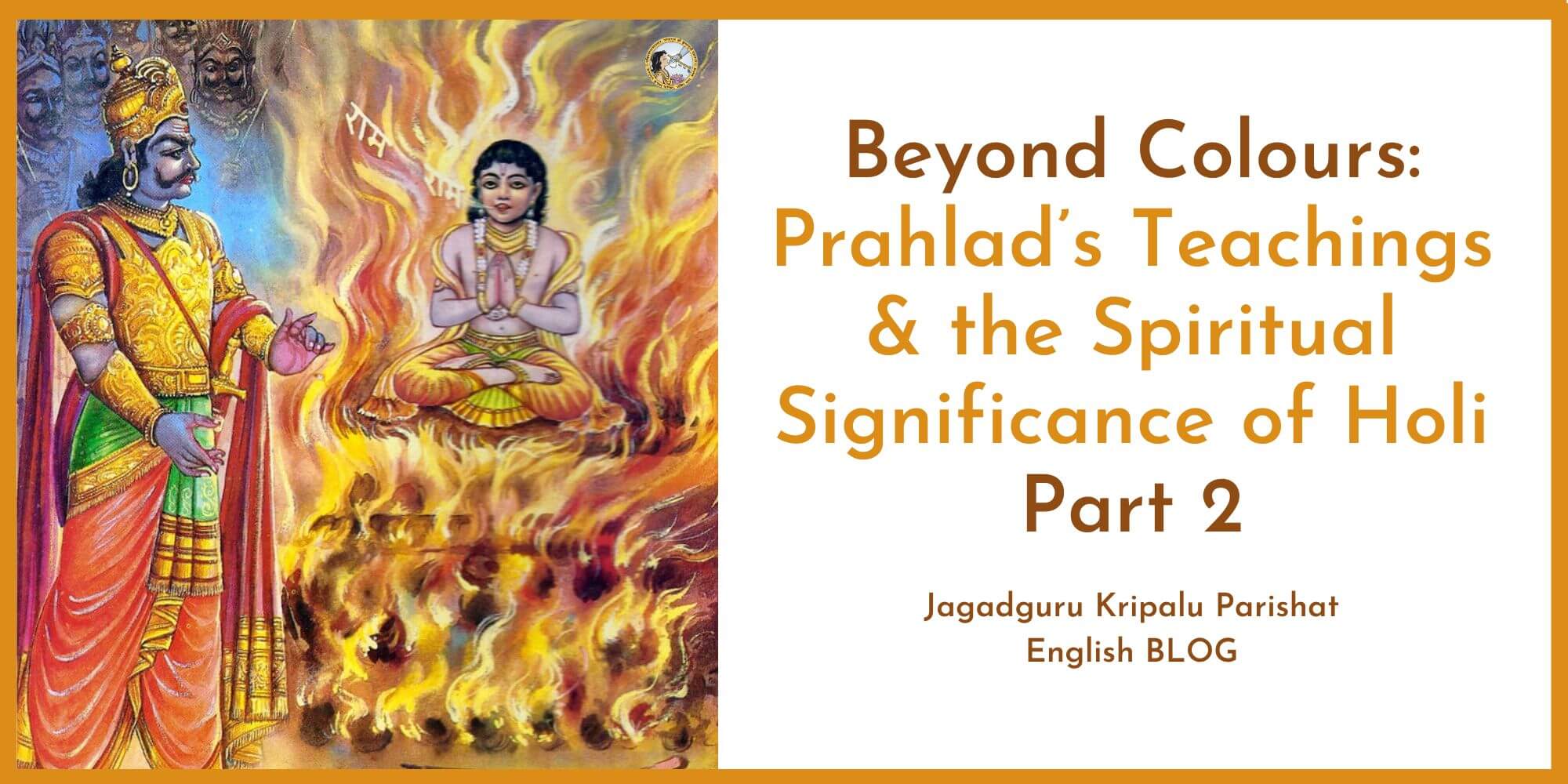
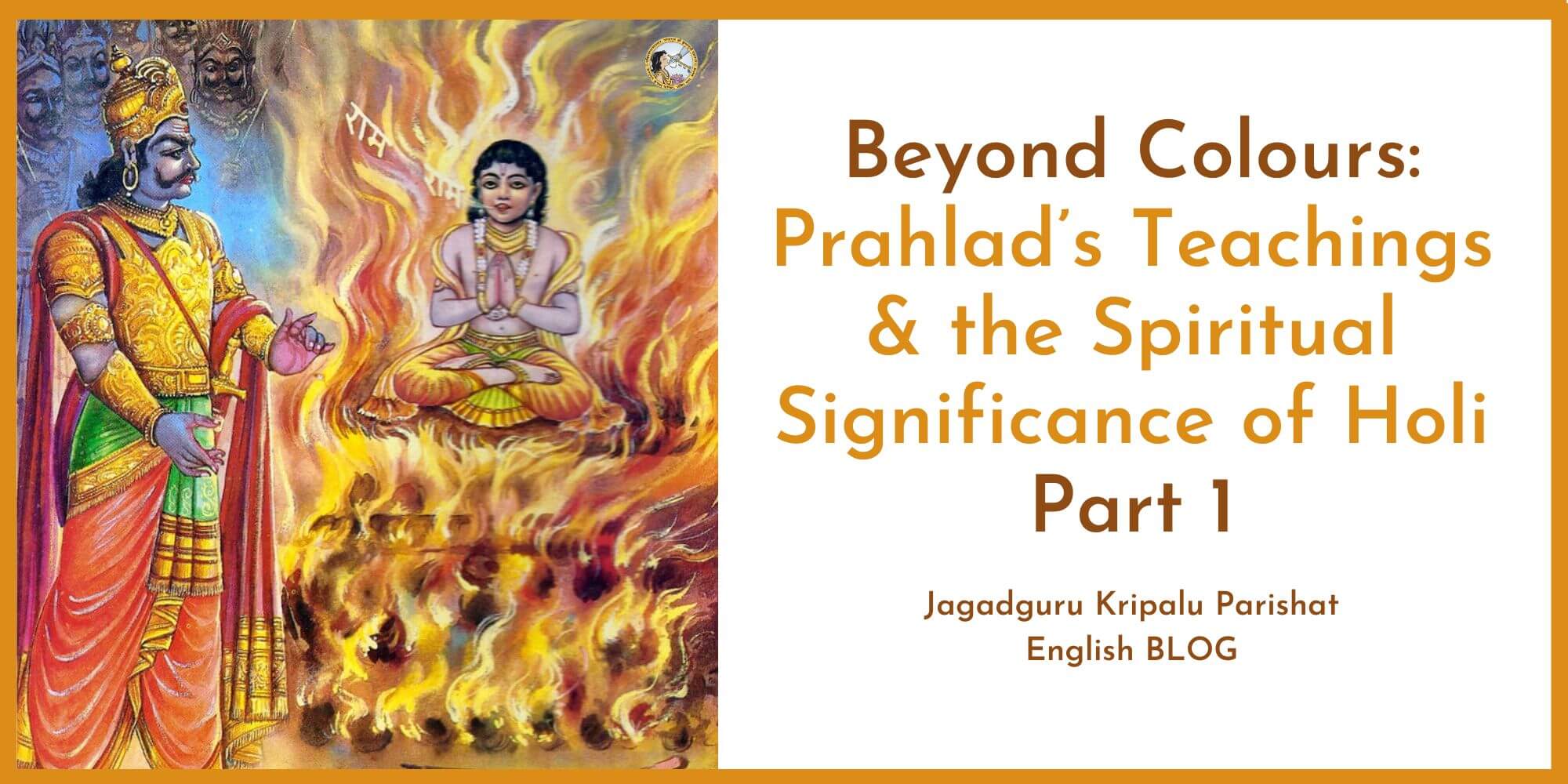
Hiranyakashipu became frantic. His sister Holika had received a boon that fire could not burn her. As a final attempt, he ordered Holika to take Prahlad on her lap and sit on a blazing pyre. He thought Prahlad would burn while she would emerge unharmed. But instead, Holika was burned, and Prahlad continued chanting God’s holy name.
Despite this, Hiranyakashipu still refused to accept that God is all pervading. He insisted that God must be hiding somewhere in his abode. “Bring Him before me. I will kill Him.” One day, he challenged Prahlad, “If your God is everywhere, is He in this house of a demon like me?” Prahlad replied, “Yes, father. He is present here. He is inside you. He is in every corner, every brick, every particle.”
Hiranyakashipu thought his son had gone mad. “Is He in this pillar?” he asked. Prahlad answered, “Yes, father. He is everywhere.” Hiranyakashipu struck the pillar with tremendous force. The pillar broke, and God manifested, declaring, “You fool. I am present everywhere. Look, I stand before you.”
Hiranyakashipu had received a boon from Brahma that he would die neither by day nor by night, neither on earth nor in the sky, neither by man nor by beast, and by no weapon. God, as Lord Narsingh, a form of neither man nor animal, placed him on His thighs at dusk, neither day nor night, neither on the ground nor in the sky, and killed him with His nails, not with a weapon. Thus every condition of the boon was fulfilled.
How can anyone compete with God’s intellect?
In this episode, God proved His omnipresence. The burning of Holika also demonstrated that all powers derive from God. Brihaspati is intelligent, Kuber is wealthy, Indra possesses opulence, Agni burns, Varun governs water, Vayu controls wind. All have power only because God has granted it to them. They are individual souls like us. God’s power cannot revolt against Him.
Prahlad was a devotee of God, and God personally remained with him to protect him. After a soul attains God realisation, he does not act independently; God Himself performs all actions on his behalf. It is God who gives fire the power to burn. So when the time came to burn Prahlad, God simply withdrew His power from the fire. Just as in our world, dangerous outlaws sometimes cut the electricity line so that darkness prevails and they can carry out their theft easily, in the same way God withdrew the burning power from fire.
You may have heard this account many times. Once, the celestial gods became filled with pride, thinking that they had defeated the demons by their own strength. At that moment, God appeared before them in the form of a Yaksha, a supernatural being. He had already withdrawn their powers. Only then did they realise, “We were powerful solely because of His power.”
Similarly, whether through snakes, by pushing Prahlad from a mountain, or by throwing him into the ocean, whatever animate or inanimate means Hiranyakashipu employed were all pervaded by the omnipresent God. God simply withdrew His power from them.
Therefore, neither inanimate objects nor living beings could kill Prahlad. In this way, Prahlad practically demonstrated that God is all pervading, and God Himself gave proof of His omnipresence by manifesting in this incarnation. The festival of Holi is celebrated to mark the significance of this truth.
Over time, its significance has been reduced to mere amusement. No one remembers God or Prahlad. No priest explains this secret. People say they play Holi. Play? Rather, one should weep, reflecting that despite being born in India, one does not truly believe that God is all pervading. We repeat, “Ram’s name alone is truth,” and “Ram resides in every particle,” yet we do not realise it.
People quarrel, abuse one another, and even commit violence over colours. “Why did you put colour on me? I belong to another religion.” Such degradation shows how far we have drifted from the true purpose.
In reality, Holi is meant to remind us that God is present everywhere. Before committing any sin, think, “He is watching. He is taking note. He will judge me.” Life is short. One may become a billionaire or prime minister, but for how long? A child grows, becomes old, and dies in what seems like a moment.
After death, all deeds, good and bad, will be reviewed. God Himself will pass judgment and assign the consequences. God alone performs this work. He will not ask questions; He will simply declare the result. At that time, He will remind you of every sin, how you once insulted a saint, how you committed this wrong and that wrong, and He will assign the appropriate punishment. You will have no say in the matter. Any regret at that moment will be in vain. Perhaps one may receive another human birth, only to forget once again and begin the cycle anew.
Therefore, on the occasion of Holi, one should remember the qualities of God and gain spiritual benefit. Merely playing with colours, eating sweets, and indulging in worldly festivities will not lead us to our ultimate goal, God.
By Jagadguru Shri Kripalu Ji Maharaj
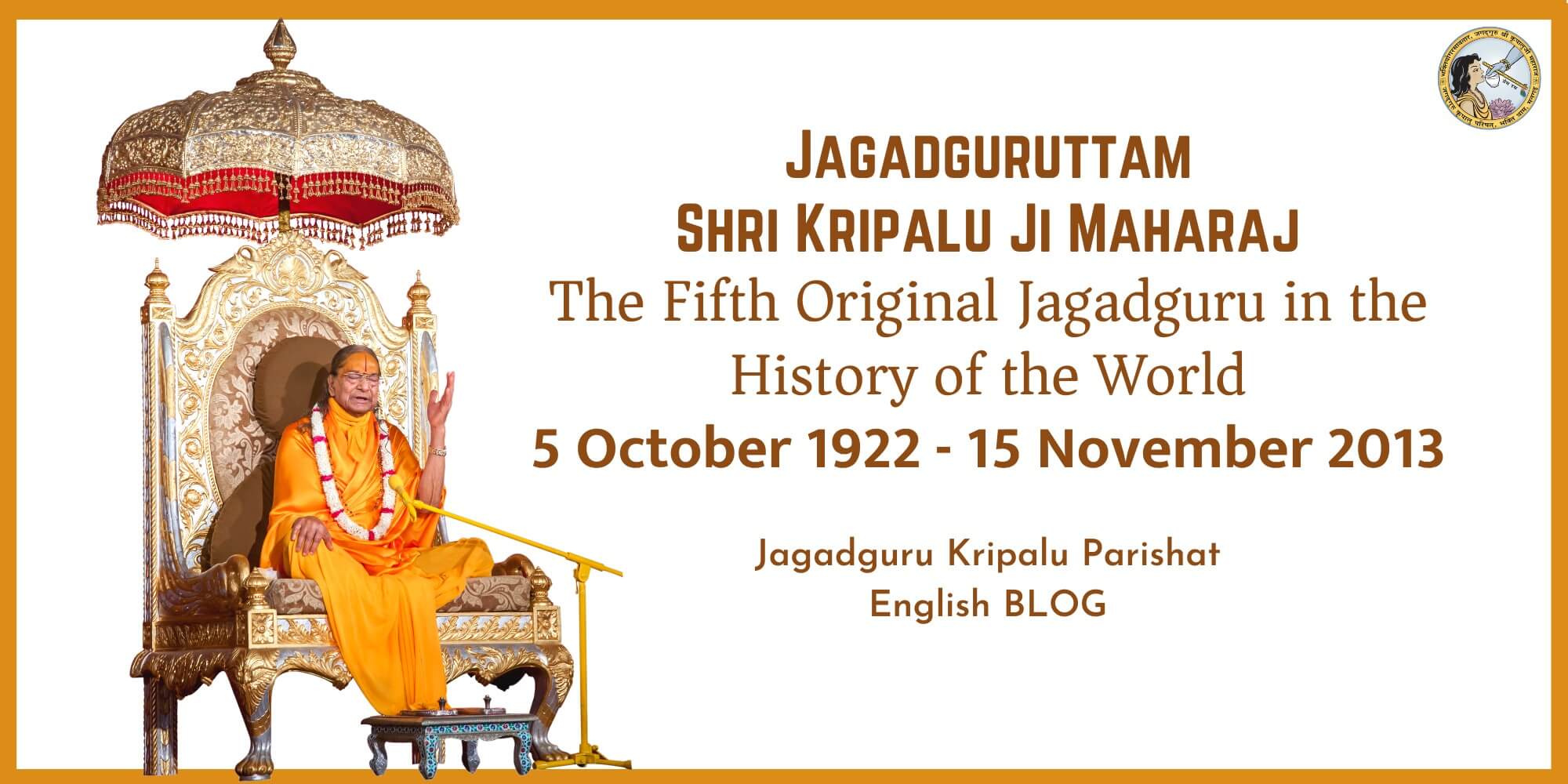
A brief introduction of Jagadguru Shri Kripalu Ji Maharaj*
(Known by His devotees as Shri Maharaj Ji)
The original title of Jagadguruttam (Greatest Spiritual Teacher of the World) was bestowed upon Shri Kripalu Ji Maharaj on January 14, 1957, by Kashi Vidvat Parishad (a council of 500 greatest scholars saints of India). He composed divine texts like Prem Ras Madira, Prem Ras Siddhant, and Radha Govind Geet to lead us on the right path of devotion. He also gave priceless monuments as gifts to the world which include Bhakti Mandir located in Bhakti Dham, Mangarh, Prem Mandir located in Vrindavan Dham, and Kirti Mandir located in Barsana Dham. Shri Maharaj Ji also built hospitals for the impoverished, the Jagadguru Kripalu Chikitsalaya in Vrindavan, Jagadguru Kripalu Chikitsalaya in Barsana, and another one in Pratapgarh. All three help millions of underprivileged to gain free access to medical care. His Kindergarten, School, and College for impoverished girls Jagadguru Kripalu Parishat Education is located in Kunda and provides completely free education. To stay updated with all the news and events of Jagadguru Kripalu Parishat, visit www.jkp.org.in/jkpwhatsapp.
Follow us on Social
Recent Posts
The True Spiritual Significance of Holi
5 March 2026
Gaurang Mahaprabhu: The Incarnation of Divine Love
5 March 2026
Mahashivratri -Understanding the Oneness of the Divine
14 February 2026
Beyond Valentine’s Day: The Divine Love of Gopi Prem
14 February 2026
Jagadguruttam’s Teachings: How to Practice Bhakti for Shri...
17 January 2026

Jagadguruttam’s Teachings: Where is True Happiness?
17 January 2026
Jagadguruttam’s Teachings: WHO AM I?
17 January 2026
The New Year: A Time for Reflection
2 January 2026

Tulsi and Shaligram Vivah
2 November 2025
Akshay Navami: Remembering Radha Rani’s Lotus Feet
31 October 2025
Gopashtami: When God Became a Cowherd
29 October 2025
The Story Behind the Worship of Giriraj Govardhan
22 October 2025
Sharad Purnima Special – Always Feel the Presence of G...
5 October 2025

10th Anniversary of Jagadguru Kripalu Chikitsalaya, Vrindava...
26 September 2025
Janmashatami Special – Why connect with Shri Krishna?
11 August 2025
Janmashatami Special – Who is Shri Krishna?
5 August 2025
Who is More Merciful – God or the Saint?
11 July 2025
Who is Lord Jagannath?
27 June 2025
True Yoga: A Union of Body, Mind and Soul
22 June 2025
Celebrating Father’s Day with God
13 June 2025
Shri Radha Rani – Our Eternal Mother
10 May 2025
Sita is Ram, Ram is Sita
5 May 2025
Hanuman Ji’s Unmatched Seva
12 April 2025
Beyond Colors: Prahlad’s Teachings & the Spiritual Si...
15 March 2025
Beyond Colours: Prahlad’s Teachings & the Spiritual S...
14 March 2025
Who is Gaurang Mahaprabhu?
13 March 2025
What Blessing Should One Ask from Bhagwan Shiva?
24 February 2025
Celebrating 13 Glorious Years of Prem Mandir
22 February 2025
Gopi Prem Day – A Celebration of Divine Love
14 February 2025
Where does the soul go after death?
26 January 2025
The Relationship between God and the Soul – (The Real ...
21 January 2025
The Relationship between God and the Soul (The True Meaning ...
18 January 2025
The Relationship between God and the Soul
3 January 2025
Celebration or Contemplation on New Year
31 December 2024
The Unconditional Grace of God and Mahapurush
22 December 2024
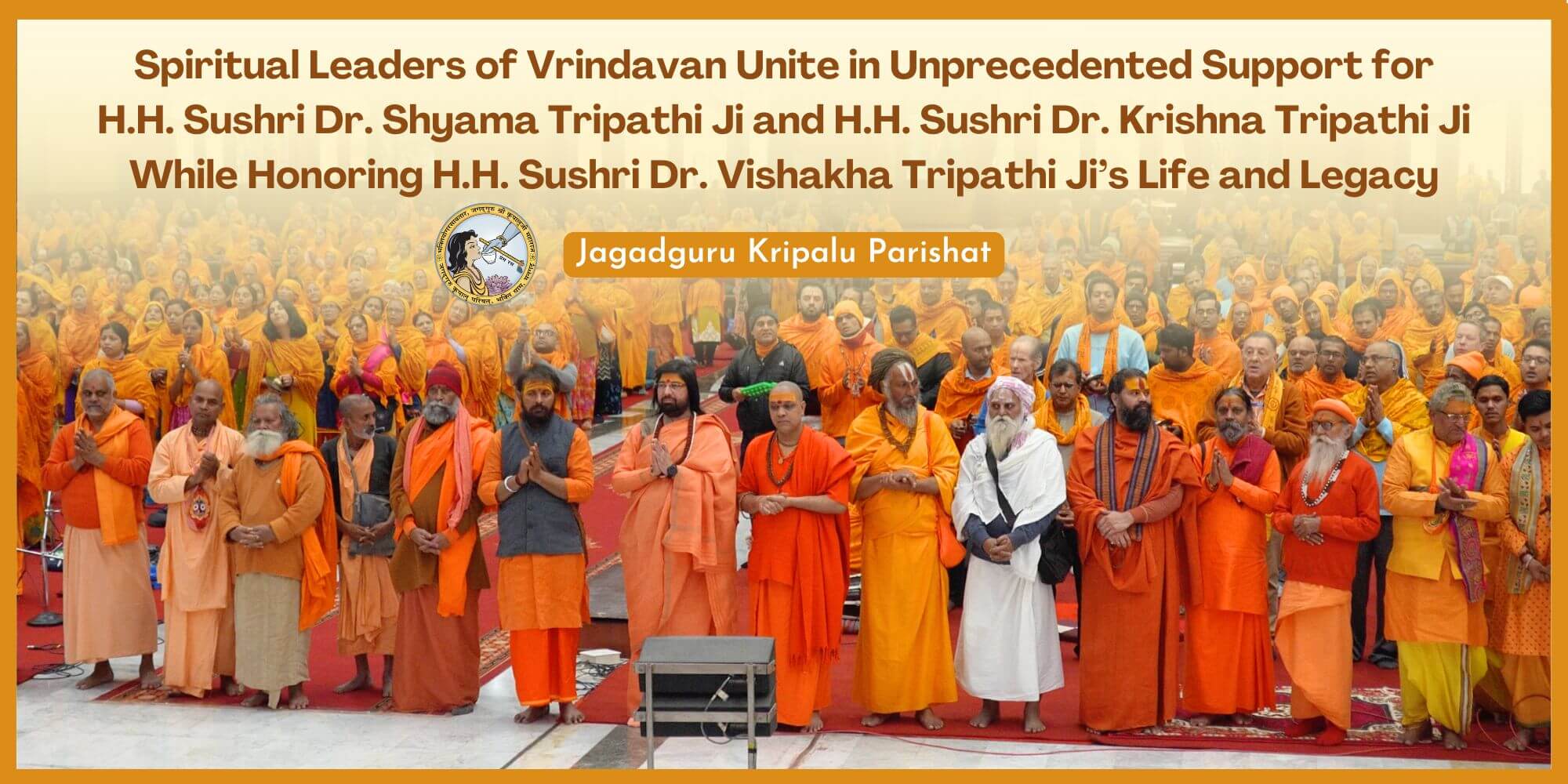
Spiritual Leaders of Vrindavan Unite in Unprecedented Suppor...
10 December 2024
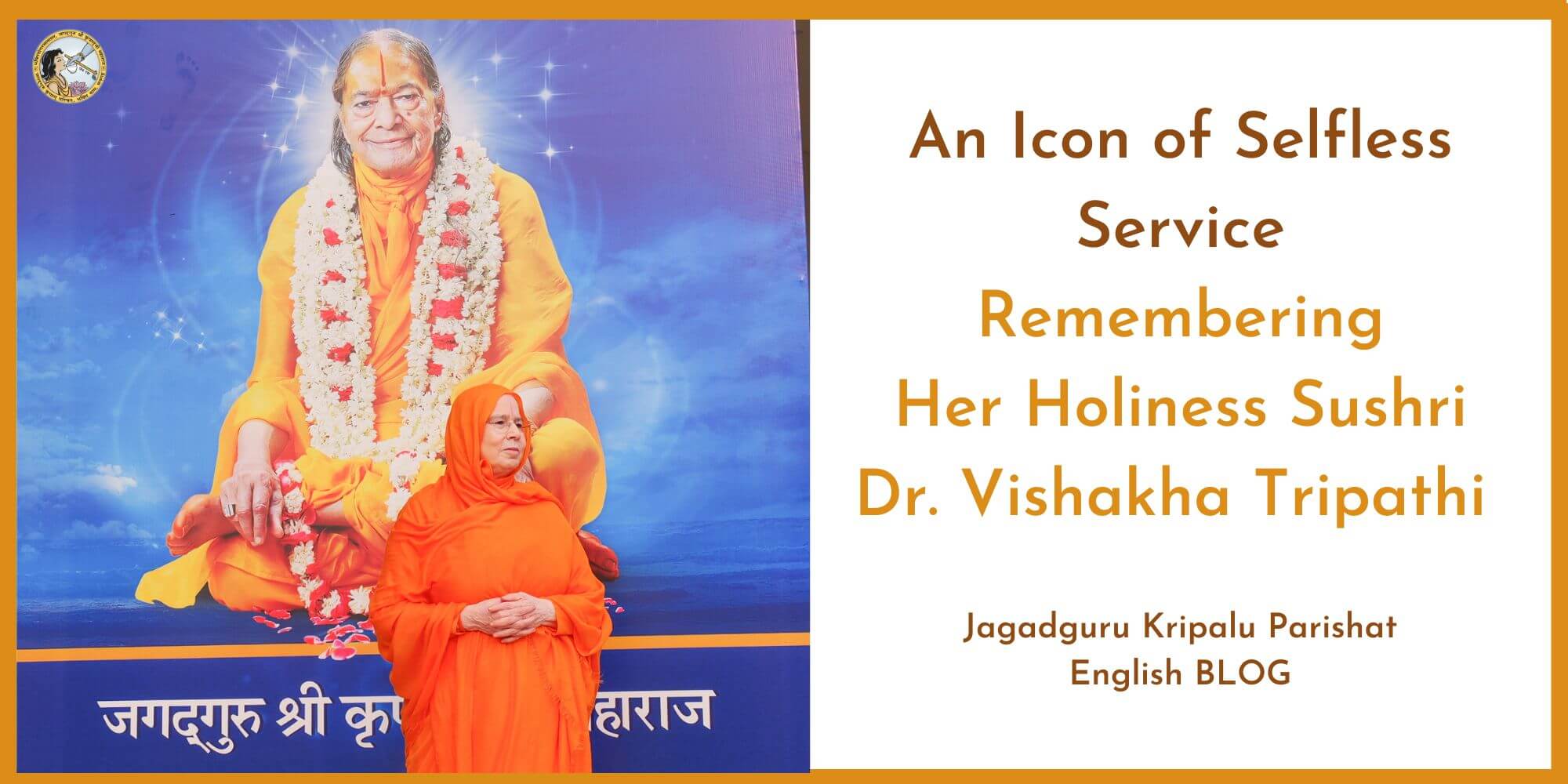
An Icon of Selfless Service: Remembering Her Holiness Sushri...
30 November 2024
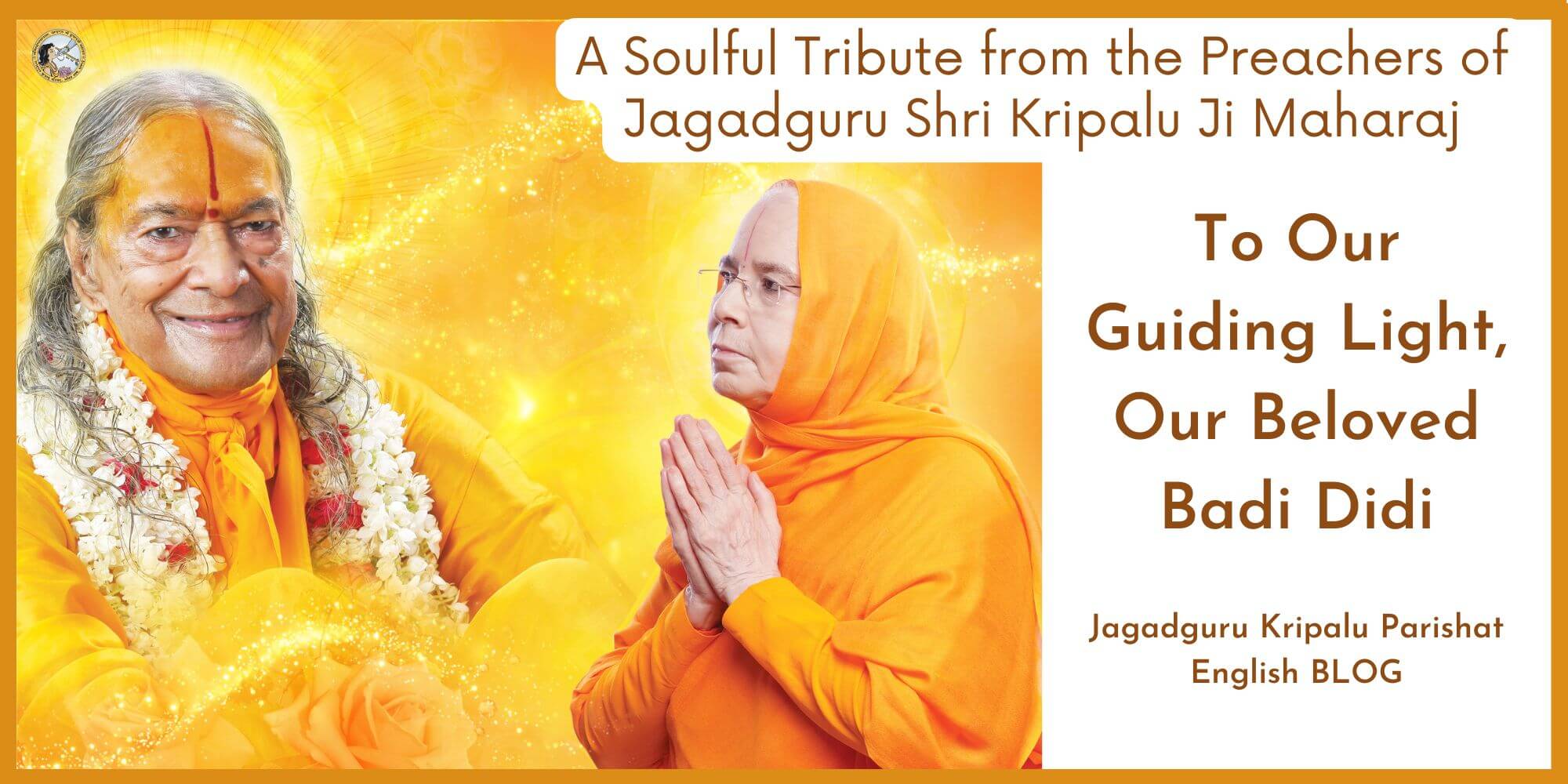
A Soulful Tribute from the Preachers of Jagadguru Shri Kripa...
30 November 2024
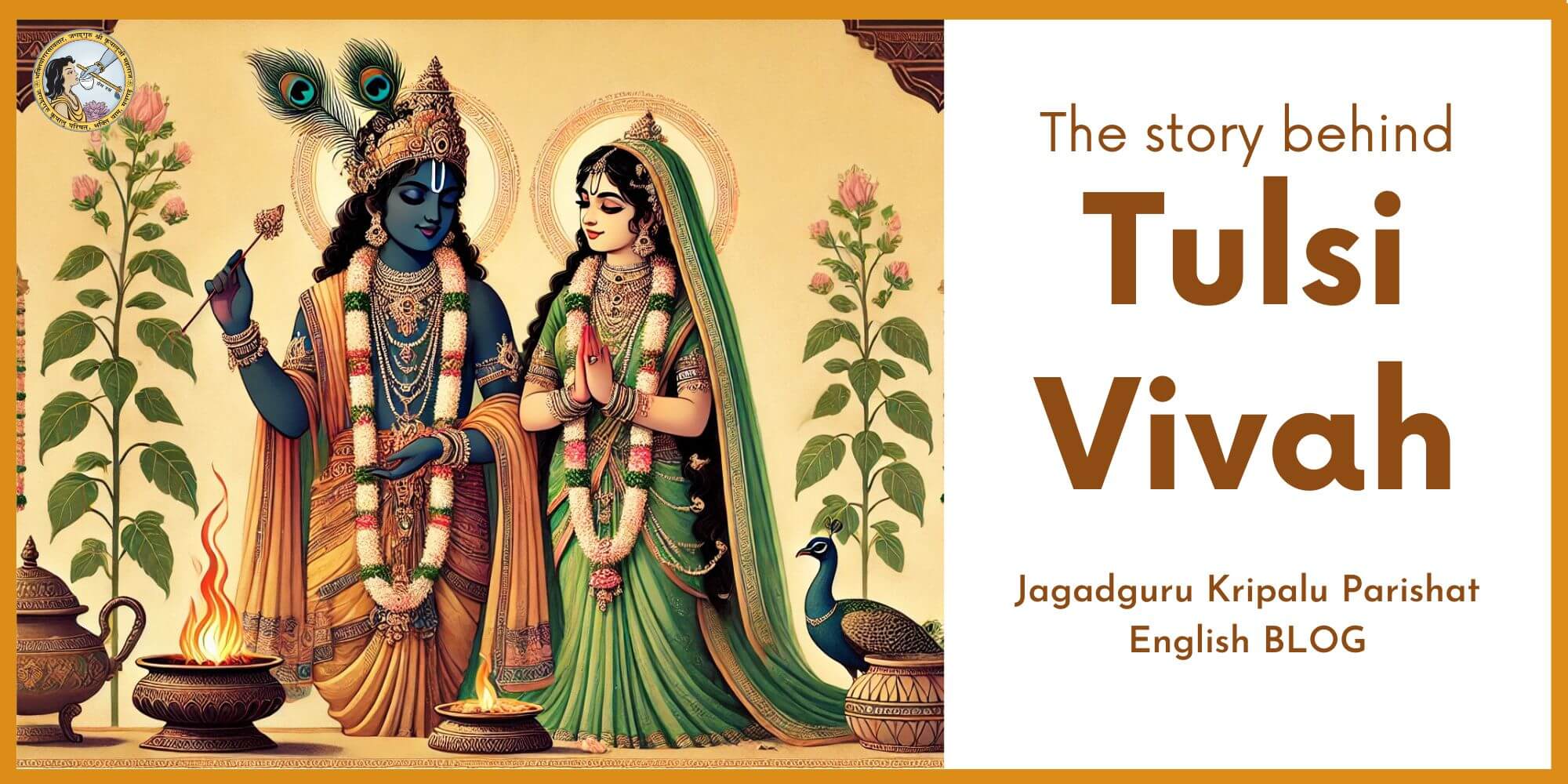
The Story Behind Tulsi Vivah
11 November 2024
The Significance of Akshay Navami
10 November 2024
Bhaiya Dooj Celebrations
3 November 2024
Govardhan Pooja
2 November 2024
The secret behind celebrating Dhanteras
26 October 2024
Essence of Karwa Chauth
19 October 2024
Sharat Purnima, The Crest Jewel of all Festivals
18 October 2024
What is Roopdhyan by Jagadguru Shri Kripalu Ji Maharaj
12 October 2024
How do we control our Anger?
26 September 2024
Shri Radha Rani: The Essence of Divine Love
5 September 2024
The Divine Prison of Shri Krishna
31 August 2024
How to Build a Personal Relationship with Lord Krishna
25 August 2024
How to celebrate Raksha Bandhan
19 August 2024
The Significance of Hariyali Teej
7 August 2024
Rama Naam Satya Hai
5 August 2024
How to Engage Your Mind in God
5 August 2024
The importance of a Guru in a devotee’s life
15 July 2024

True meaning of ‘Yoga’ (Yog)
21 June 2024
Shri Krishna, Our Real Father
15 June 2024

How to control the mind?
2 June 2024

True Happiness
2 June 2024
How Fortunate You Are
31 May 2024
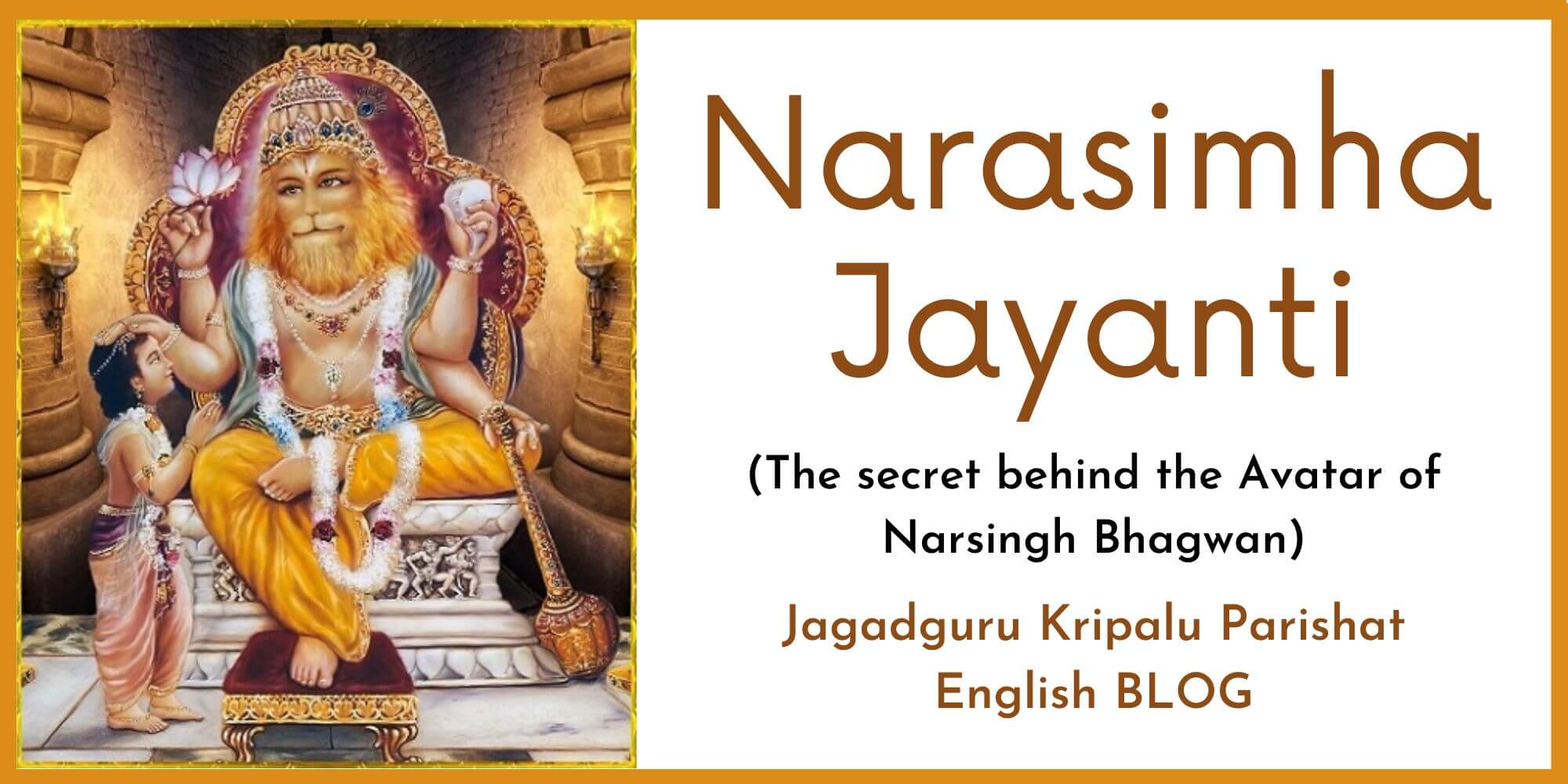
Narasimha Jayanti
19 May 2024
Importance of Sita Navami
15 May 2024
Importance of Mother’s Day
13 May 2024
The Significance of Akshaya Tritiya
9 May 2024
Lord Ram is our only True Relative
3 April 2024
Shri Guru Dham, Bhakti Mandir – A Divine Resolve
27 March 2024
The Festival Holi
25 March 2024
Bhakti of Lord Shankar Ji
7 March 2024
12th Anniversary of Prem Mandir
6 March 2024
Gopi Prem
13 February 2024
A Tale of Shabari
22 January 2024
Guru Dispels Darkness
14 January 2024
GOD and GURU
14 January 2024
Jagadguruttam Shri Kripalu Ji Maharaj
14 January 2024
New Year Message by Jagadguru Shri Kripalu JI Maharaj
30 December 2023
The Supremacy of Divine Name ‘RADHE’
30 December 2023
Akshay Navami
21 November 2023
Significance of Govardhan Pooja
13 November 2023
The Significance of Diwali
9 November 2023
Meaning of Karwa Chauth
31 October 2023
Sharat Purnima has come once again…
27 October 2023
Sharat Purnima
27 October 2023
How to find true peace and happiness?
13 October 2023
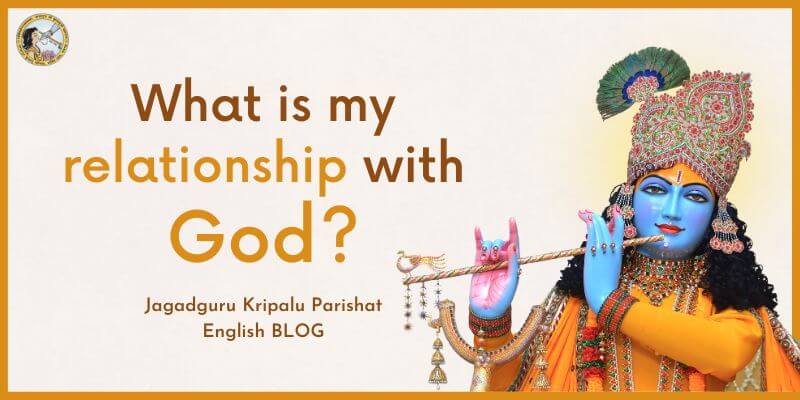
What is my relationship with God?
13 October 2023
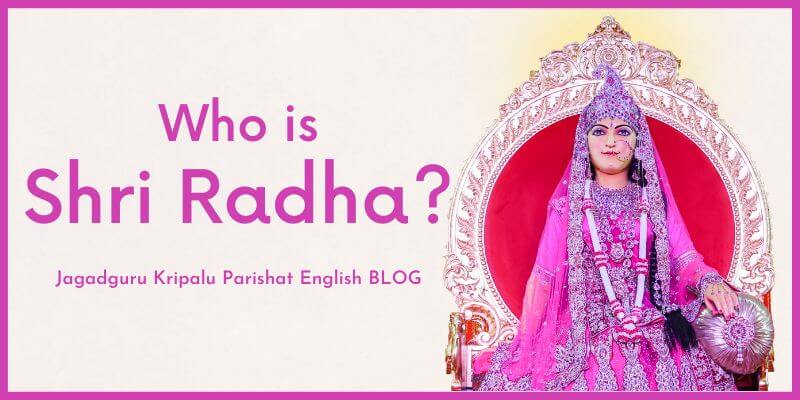
Who is Shri Radha?
21 September 2023
The Supremacy of the Divine Name, ‘RADHE’
19 September 2023
What is our relationship with Shri Krishna? Part 3
28 August 2023
What is our relationship with Shri Krishna? Part 2
28 August 2023
What is our relationship with Shri Krishna? Part 1
28 August 2023
The Significance of Naag Panchami
21 August 2023
The Profound Significance of Guru Purnima
30 June 2023
THE GURU
30 June 2023
Why do we have mood swings?
28 May 2023
Discovering the True Mother on Mother’s Day
12 May 2023
How do we become more tolerant?
4 January 2023
What is the root cause of poor Mental Health?
16 December 2022

How to Improve your Mental Health in 3 simple steps
9 December 2022
How to end suffering and increase our Atman Shakti?
8 December 2022