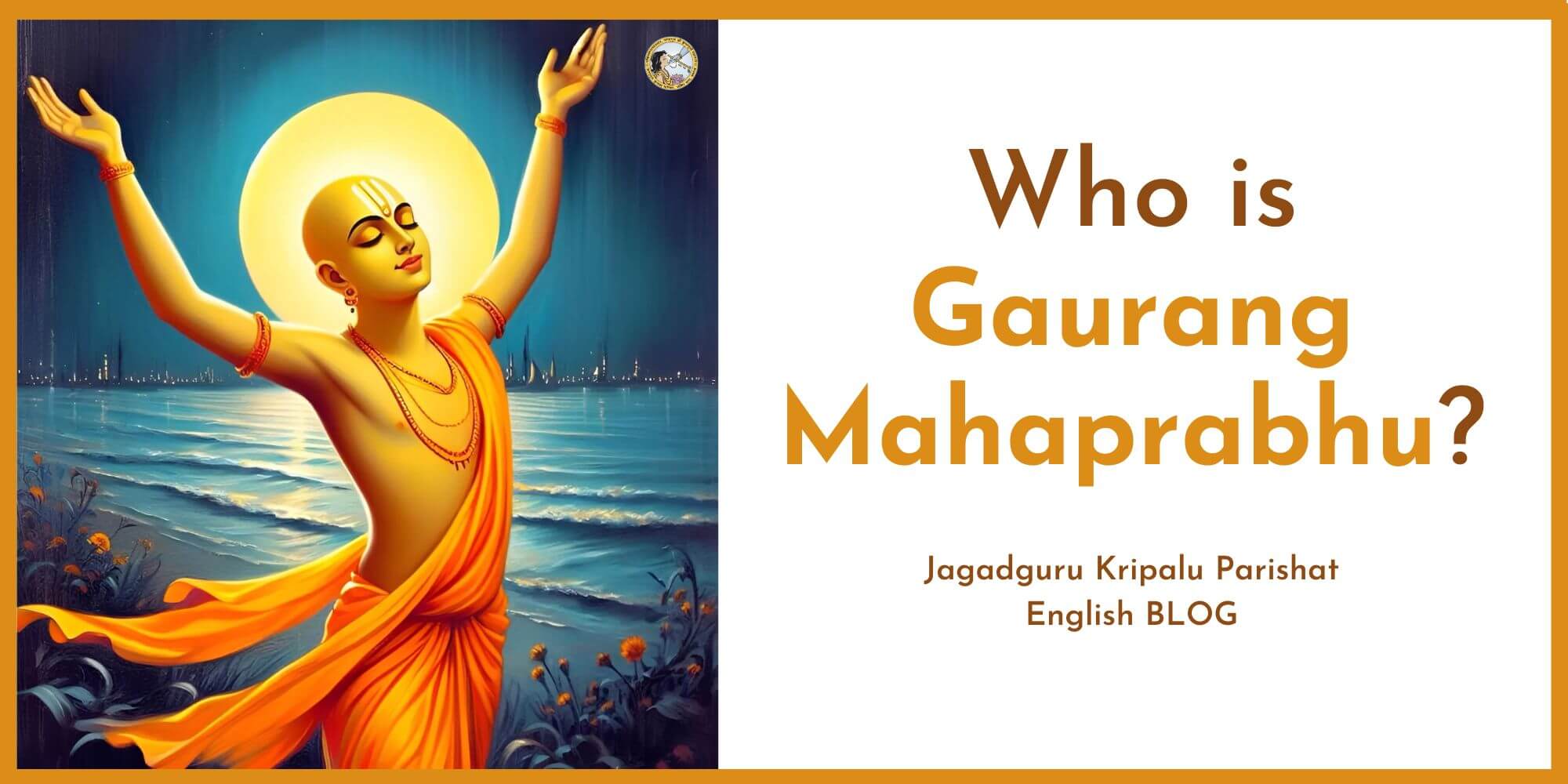
Who is Gaurang Mahaprabhu?
Speech delivered by Jagadguru Shri Kripalu Ji Maharaj on the auspicious occasion of Mahaprabhu Jayanti
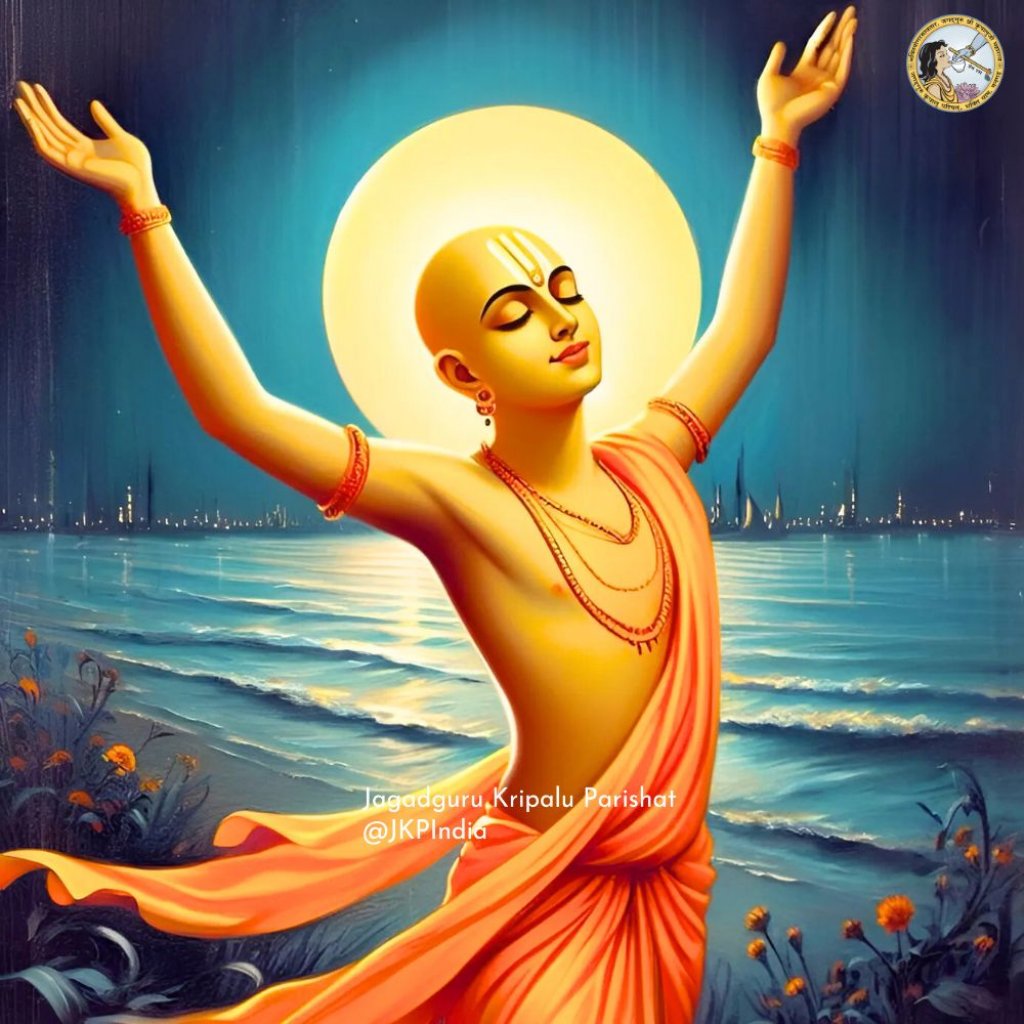
Approximately 500 years ago, Gaurang Mahaprabhu incarnated on this earth. Understanding his divine nature transcends mere explanation or discussion. However, as referenced in sacred scriptures and elucidated by saints, a brief introduction is presented here.
Shri Krishna, the lord of countless Brahmands (vast cosmic worlds), is all-seeing, all-controlling, all-witnessing, the friend to all, the lord of all, and the all-powerful supreme being. Countless deities such as Brahma, Vishnu, and Shankar are under his dominion. This same Shri Krishna, an ocean of bliss, descended out of his intrinsic grace and compassion.
Throughout history, each divine incarnation has exhibited unique characteristics. Lord Ram embodied certain virtues, Lord Krishna displayed different attributes, Lord Buddha had his distinct qualities, and Lord Narsingh manifested yet another set of traits. The incarnation that occurred 500 years ago, known as Gauranga Mahaprabhu or Chaitanya Mahaprabhu, possessed an exceptionally extraordinary characteristic.
In the Bhagavad Gita, Lord Krishna declares: “I descend in every age to protect the righteous, annihilate the wicked, and re-establish dharma.” This is the reason mentioned for God’s descension that is very popular and widespread.
However, the uniqueness of Gaurang Mahaprabhu’s incarnation lies in His vow to refrain from wielding weapons. Instead, He chose to alleviate the earth’s burden and uplift souls by bestowing divine love upon all, including those with demonic tendencies.
Eliminating demons with weapons and sending them to His divine abode is not a significant feat, as those demons are then deprived of divine love, attaining only liberation without experiencing its bliss. Therefore, Lord Krishna resolved that in this incarnation, He would bestow divine love upon everyone, regardless of whether they were devotees or demons. Consequently, He vowed that the destruction of demons, previously accomplished with weapons in other incarnations, would not occur in this one. An exception—or perhaps a deliberate act—was made in the case of Jagai and Madhai.
In moments of exceptional distress befalling a devotee, God may set aside His own vows. He reflects, “I don’t care about my vow; at most, I will be defamed.” Such defamation does not diminish His divinity. On one occasion, He invoked His divine discus (Chakra) but refrained from using it. Devotees then reminded Him, “O Lord, You have entered into a trance; please return to a normal state and recall Your vow of non-violence.” Heeding their plea, Gaurang Mahaprabhu emerged from His trance and commanded the divine disc to withdraw.
Gaurang Mahaprabhu is renowned as the only divine incarnation who vowed to abstain from wielding weapons, choosing instead to bestow divine love upon all souls, earning him recognition as the foremost among all descensions. In each of His incarnations, God establishes ideals tailored to the prevailing circumstances. For instance, during the Treta Yuga, Lord Ram exemplified the path of Karma Yoga, guiding souls toward welfare through selfless action. He embodied the principles of Karma Yoga, demonstrating how to lead a householder’s life while progressing toward the ultimate spiritual goal.
During His incarnation as Lord Krishna, He embraced dual roles. In Dwarika, He exemplified the life of a householder, guiding souls along the path of Karma Yoga. Conversely, in Braj, He bestowed a profound bliss of divine love upon deserving souls—a bliss so exalted that even liberated Paramhansas (yogarooh) find it unattainable. This transcendental experience, known as “Maharas,” is beyond the grasp of intellect. Even if one were to ponder its essence for countless eons, comprehension would remain elusive. Such is the ineffable nature of the bliss of Maharas.
In the age of Kaliyug, human beings are in a pitiable condition. Recognizing this, Shri Krishna pondered, “What can be done for the welfare of these souls? How can even the most fallen attain their ultimate goal?” In response, He established and propagated the practice of sankirtan— the congregational chanting of God’s names, forms, pastimes, qualities, abodes, etc.—as the foremost means of devotion. Alongside sankirtan, He emphasized the importance of roopdhyan, or meditative visualization of the divine form, as a powerful tool for spiritual elevation.
Although Gaurang Mahaprabhu accepted Sanyas, he did not adhere strictly to its traditional rules. Observance of such rules requires a conscious and controlled mind. However, when one is immersed in a divine love trance or any profound state of absorption, the intellect does not function in its usual manner, making it challenging to follow the prescribed norms of the Varnashram system. Sanyas is traditionally regarded as the fourth ashram, or stage of life, in Hindu philosophy.
Although Gaurang Mahaprabhu embraced sanyas, due to his profound divine love trance, he couldn’t strictly adhere to its disciplines. Nevertheless, he observed them to the extent possible and encouraged others to do the same. A paramount aspect of his life was his unwavering devotion to his Guru. Hindu scriptures, from the Vedas to the Ramayana, emphasize that devotion to Shri Krishna and to one’s Guru yield the same spiritual fruits.
Devotion to Shri Krishna can be challenging, as we have not seen Him; our understanding comes from scriptures and teachings. Since time immemorial, our minds have been accustomed to worshiping and loving things with attributes and forms, making it difficult to develop affection for Shri Krishna. For practitioners of raganuga bhakti, kevala bhakti, or vishuddha bhakti, the principles presented by Ved Vyas in his Puranas emphasize that everything is attained through devotion to the Guru. While devotion to Shri Krishna provides support, the ultimate achievements are realized through Guru bhakti.
Gaurang Mahaprabhu emphasized the principle of unwavering devotion to one’s Guru. In one instance, a disciple slightly deviated from his Guru’s instruction. Having embraced the ascetic life of Sanyas, which entails strict adherence to specific vows—such as wearing saffron robes, maintaining a shaved head, and carrying a staff—ascetics are traditionally forbidden from approaching women to beg for alms. However, with pure intentions and viewing the woman as a mother figure, this disciple sought alms from her solely to prepare a meal for Gaurang Mahaprabhu. He collected rice from her, cooked it, and offered it to his revered master.
Gaurang Mahaprabhu inquired, “Where did you obtain the rice?” The disciple responded, “I received it from that motherly lady.” Mahaprabhu questioned further, “Why did you go there to beg?” The disciple replied, “For you, my Lord.” Mahaprabhu admonished, “Whether for me or anyone else, when did I permit you to violate the rules of Sanyas Dharma on my behalf? Could you not find another source for alms? I am now disowning you for the rest of your life”
Reflecting on the past 500 years, consider how we would fare today if a saint adhered as strictly to the rules as Gaurang Mahaprabhu did. The disciple bore no internal malice, yet outwardly, he disobeyed the directive. This raises the question: Why wasn’t the order followed completely? And yet, we aspire to attain God-realization.
Even if one were to shed tears and keep falling unconscious for countless eons, nothing can be attained if the grave offense of disobeying the Guru’s order has been committed. This principle is proclaimed by every scripture, saint, and holy text. Therefore, take refuge in God’s names, qualities, pastimes, and so forth. Regarding His personal form, consider the Guru as the very embodiment of God. In accordance with Vedic principles, worship the Guru exactly as you would worship God.
Gaurang Mahaprabhu strictly enforced this principle within his community. He admonished his followers through disciplinary actions to prevent future transgressions. He cautioned that while today a disciple might, with noble intentions, seek alms from a woman, treating her with motherly respect, tomorrow, other ascetics might adopt this practice. Should any fall from grace occur, it would reflect poorly on him, suggesting that Gaurang Mahaprabhu, despite being an ascetic, failed to discipline his disciple.
Punishment is typically administered for an offense. While the disciple may not have committed an overt wrongdoing, disobeying the Guru’s command is, in itself, a grave transgression. There is no greater offense than this. One’s intellect must remain aligned with the Guru’s instructions at every moment. A single moment of disconnection can result in the loss of all progress.
Therefore, do not harbor pride over your devotional practices or the tears you’ve shed, for such arrogance is intolerable to God. He established these principles and, out of affection for His devotees, abides by them.
I have taken much of your time, and by now, you must have understood. Some consider Him an incarnation of Shri Krishna; others believe He is an incarnation of Radha. In essence, it is the same thing. Chaitanya Mahaprabhu, who appeared 500 years ago, embodies both divine aspects.
By Jagadguru Shri Kripalu Ji Maharaj
*A brief introduction of Jagadguru Shri Kripalu Ji Maharaj*
(Known by His devotees as Shri Maharaj Ji)
The original title of Jagadguruttam (Greatest Spiritual Teacher of the World) was bestowed upon Shri Kripalu Ji Maharaj on January 14, 1957, by Kashi Vidvat Parishad (a council of 500 greatest scholars saints of India). He composed divine texts like Prem Ras Madira, Prem Ras Siddhant, and Radha Govind Geet to lead us on the right path of devotion. He also gave priceless monuments as gifts to the world which include Bhakti Mandir located in Bhakti Dham, Mangarh, Prem Mandir located in Vrindavan Dham, and Kirti Mandir located in Barsana Dham. Shri Maharaj Ji also built hospitals for the impoverished, the Jagadguru Kripalu Chikitsalaya in Vrindavan, Jagadguru Kripalu Chikitsalaya in Barsana, and another one in Pratapgarh. All three help millions of underprivileged to gain free access to medical care. His Kindergarten, School, and College for impoverished girls Jagadguru Kripalu Parishat Education is located in Kunda and provides completely free education.
Follow us on Social
Recent Posts
Shri Radha Rani: The Divine Beauty That Enchants Even Krishn...
14 September 2026
Shri Radha Rani and Shri Krishna: Not two but one Divine Ent...
14 September 2026
Radha Rani: Her Divine Appearance and Transcendental Form
14 September 2026
The Art of Surrender: How to Let Shri Krishna Take Care of Y...
1 September 2026
How to Meditate on Shri Krishna
30 August 2026
The Divine Appearance of Shri Krishna
23 August 2026

The True Spirit of Hariyali Teej
14 August 2026
Guru Purnima Special: Why does God send Gurus to this World?
14 August 2026
Guru Purnima Special: Who is Greater – Guru or God?
24 July 2026
Guru Purnima Special: How does one find a true Guru?
24 July 2026
What Do You Have to Be Proud Of?
26 June 2026
What can the world really give us?
12 June 2026
Free Will: Choosing between God and the World
29 May 2026
Engage the Mind and Senses in Devotion
21 May 2026
Training the Mind in Bhakti
30 April 2026
Who is More Important – Sita or Ram?
25 April 2026
Akshaya Tritiya: Its True Significance
20 April 2026
God Alone Is Mine
18 April 2026
Ram in Krishna, Krishna in Ram
28 March 2026
The True Spiritual Significance of Holi
5 March 2026
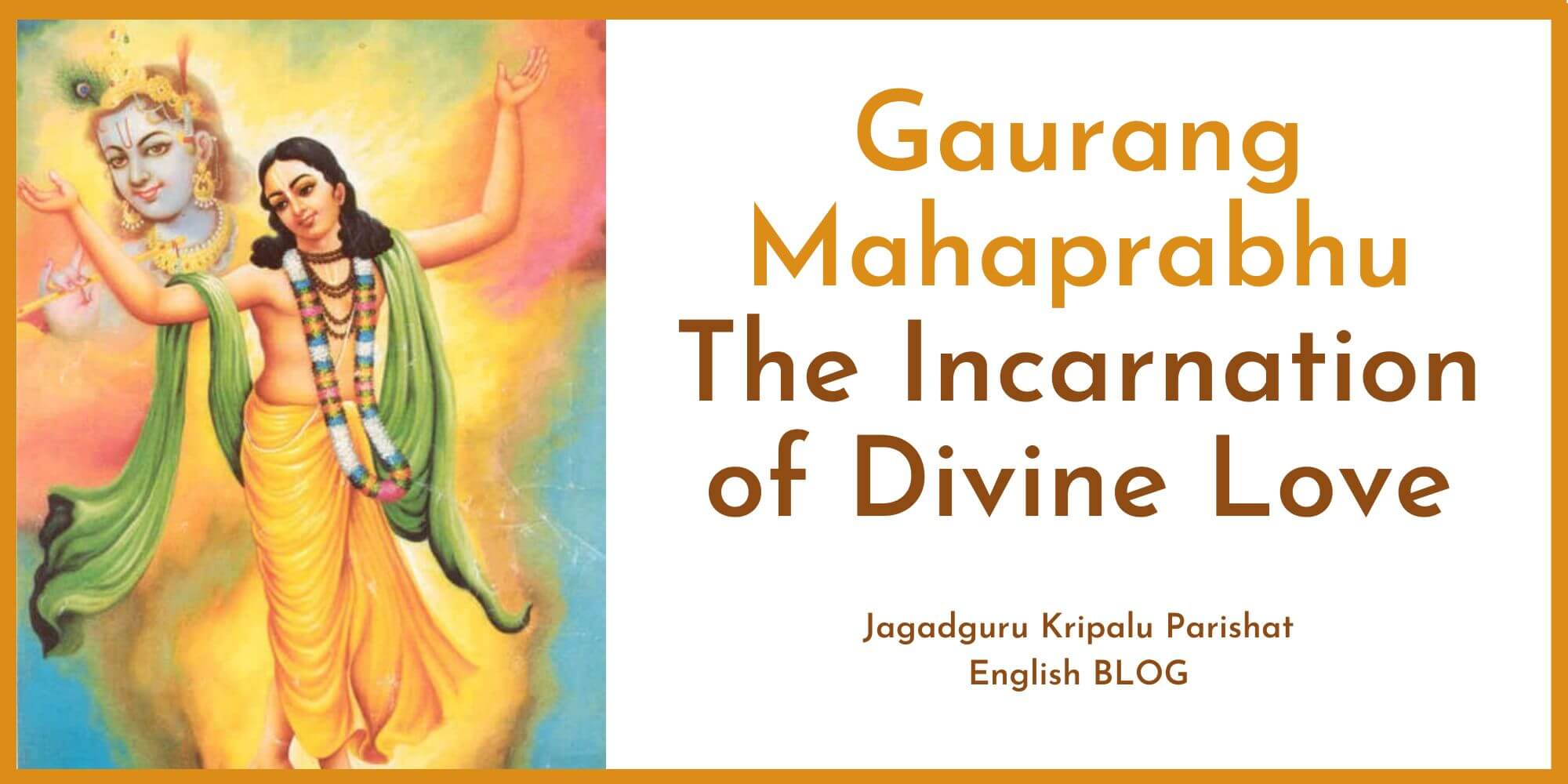
Gaurang Mahaprabhu: The Incarnation of Divine Love
5 March 2026
Mahashivratri -Understanding the Oneness of the Divine
14 February 2026

Beyond Valentine’s Day: The Divine Love of Gopi Prem
14 February 2026
Jagadguruttam’s Teachings: How to Practice Bhakti for Shri...
17 January 2026

Jagadguruttam’s Teachings: Where is True Happiness?
17 January 2026

Jagadguruttam’s Teachings: WHO AM I?
17 January 2026
The New Year: A Time for Reflection
2 January 2026

Tulsi and Shaligram Vivah
2 November 2025
Akshay Navami: Remembering Radha Rani’s Lotus Feet
31 October 2025
Gopashtami: When God Became a Cowherd
29 October 2025
The Story Behind the Worship of Giriraj Govardhan
22 October 2025
Sharad Purnima Special – Always Feel the Presence of G...
5 October 2025

10th Anniversary of Jagadguru Kripalu Chikitsalaya, Vrindava...
26 September 2025
Janmashatami Special – Why connect with Shri Krishna?
11 August 2025
Janmashatami Special – Who is Shri Krishna?
5 August 2025
Who is More Merciful – God or the Saint?
11 July 2025
Who is Lord Jagannath?
27 June 2025

True Yoga: A Union of Body, Mind and Soul
22 June 2025
Celebrating Father’s Day with God
13 June 2025
Shri Radha Rani – Our Eternal Mother
10 May 2025
Sita is Ram, Ram is Sita
5 May 2025
Hanuman Ji’s Unmatched Seva
12 April 2025
Beyond Colors: Prahlad’s Teachings & the Spiritual Si...
15 March 2025
Beyond Colours: Prahlad’s Teachings & the Spiritual S...
14 March 2025
Who is Gaurang Mahaprabhu?
13 March 2025
What Blessing Should One Ask from Bhagwan Shiva?
24 February 2025
Celebrating 13 Glorious Years of Prem Mandir
22 February 2025
Gopi Prem Day – A Celebration of Divine Love
14 February 2025

Where does the soul go after death?
26 January 2025
The Relationship between God and the Soul – (The Real ...
21 January 2025
The Relationship between God and the Soul (The True Meaning ...
18 January 2025

The Relationship between God and the Soul
3 January 2025
Celebration or Contemplation on New Year
31 December 2024
The Unconditional Grace of God and Mahapurush
22 December 2024
Spiritual Leaders of Vrindavan Unite in Unprecedented Suppor...
10 December 2024
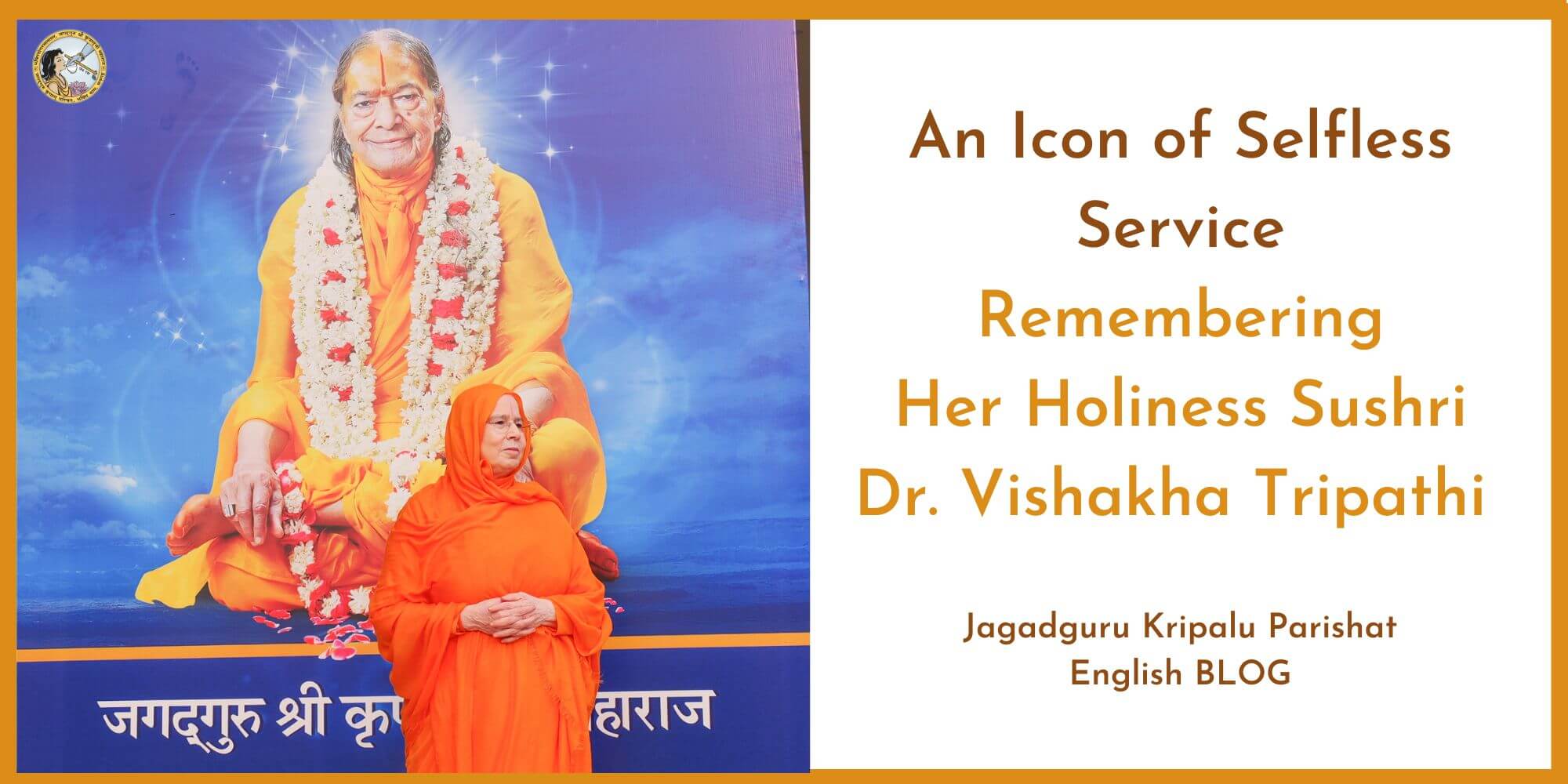
An Icon of Selfless Service: Remembering Her Holiness Sushri...
30 November 2024
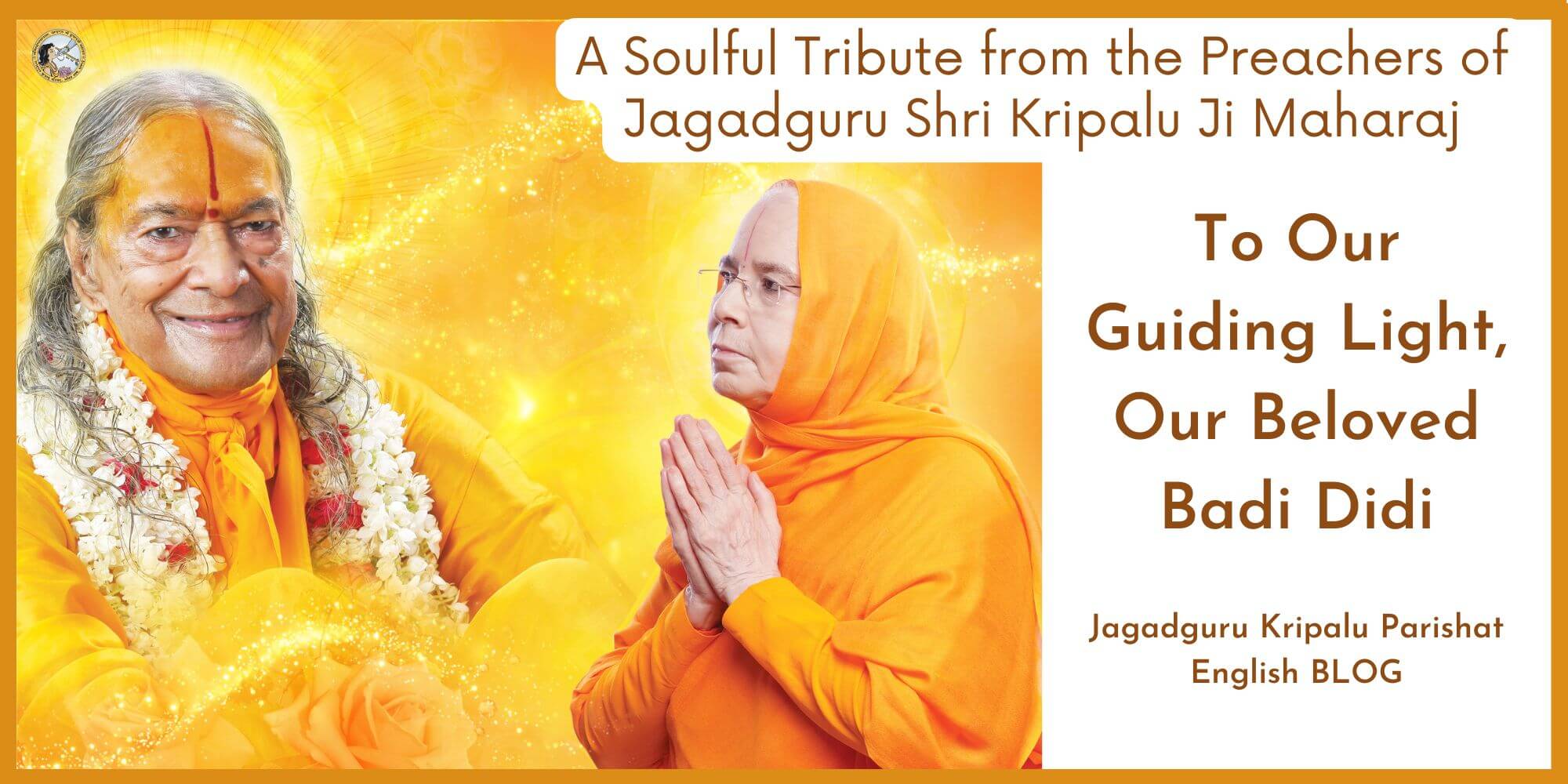
A Soulful Tribute from the Preachers of Jagadguru Shri Kripa...
30 November 2024
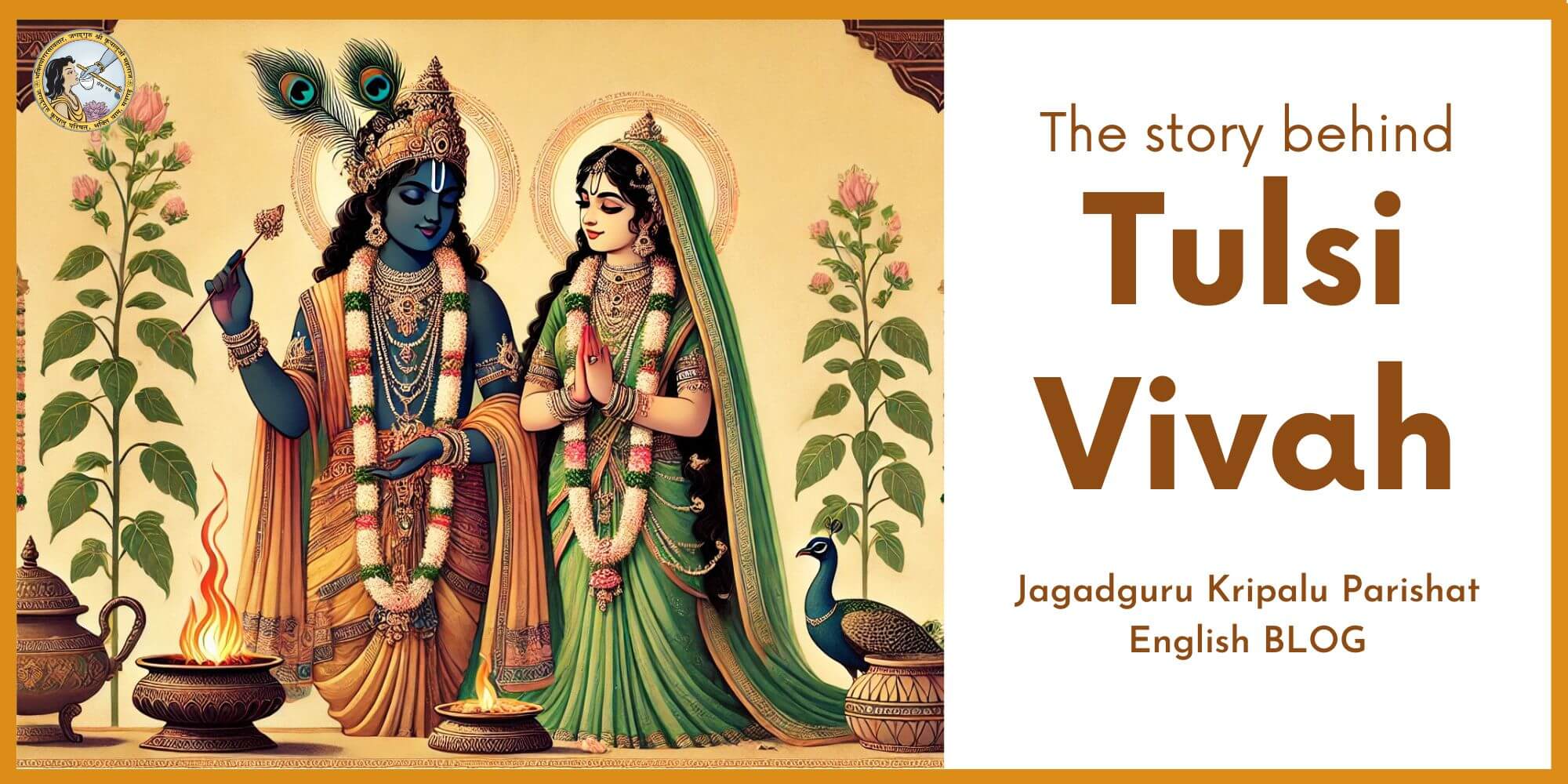
The Story Behind Tulsi Vivah
11 November 2024
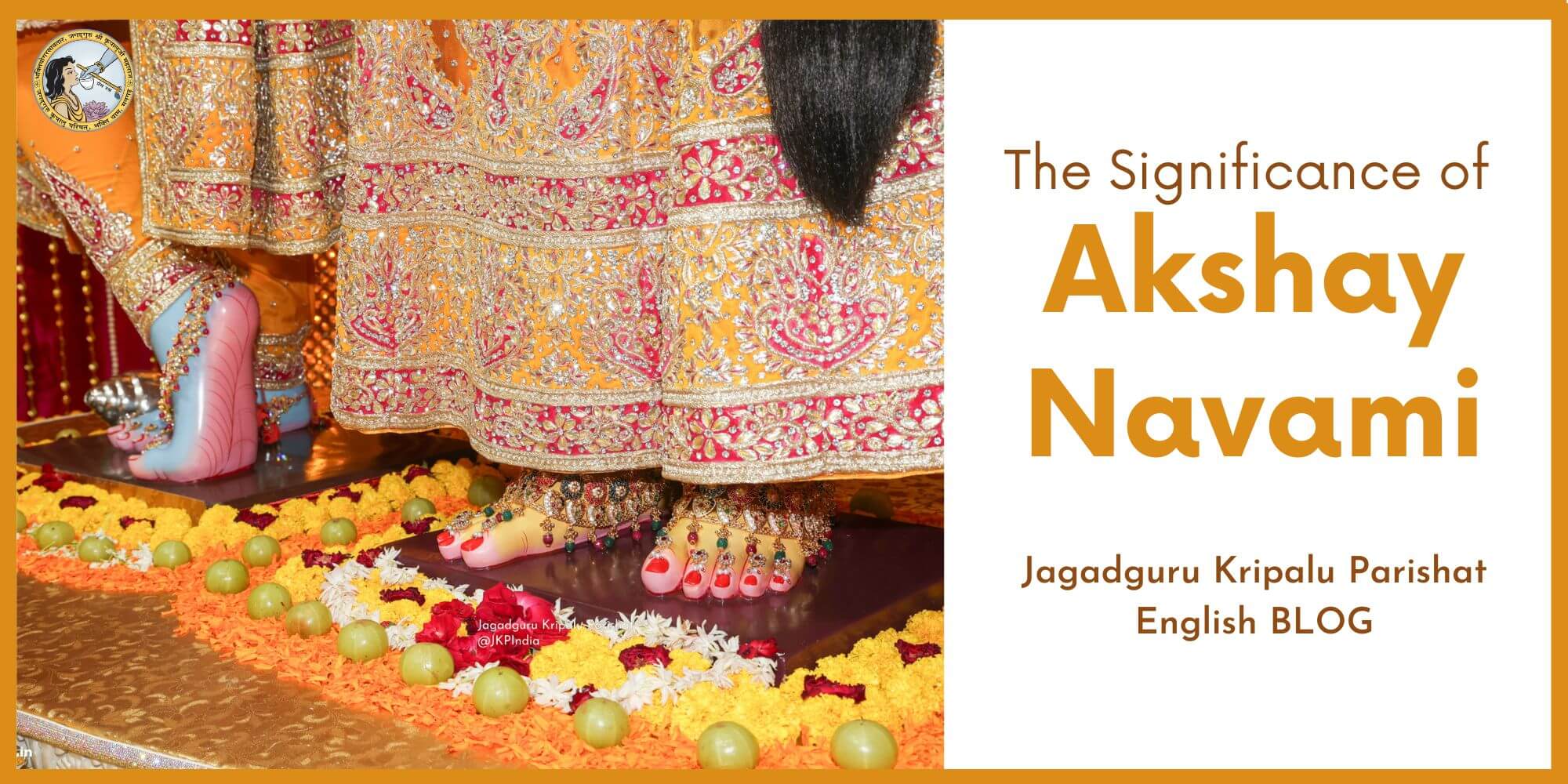
The Significance of Akshay Navami
10 November 2024
Bhaiya Dooj Celebrations
3 November 2024
Govardhan Pooja
2 November 2024
The secret behind celebrating Dhanteras
26 October 2024
Essence of Karwa Chauth
19 October 2024
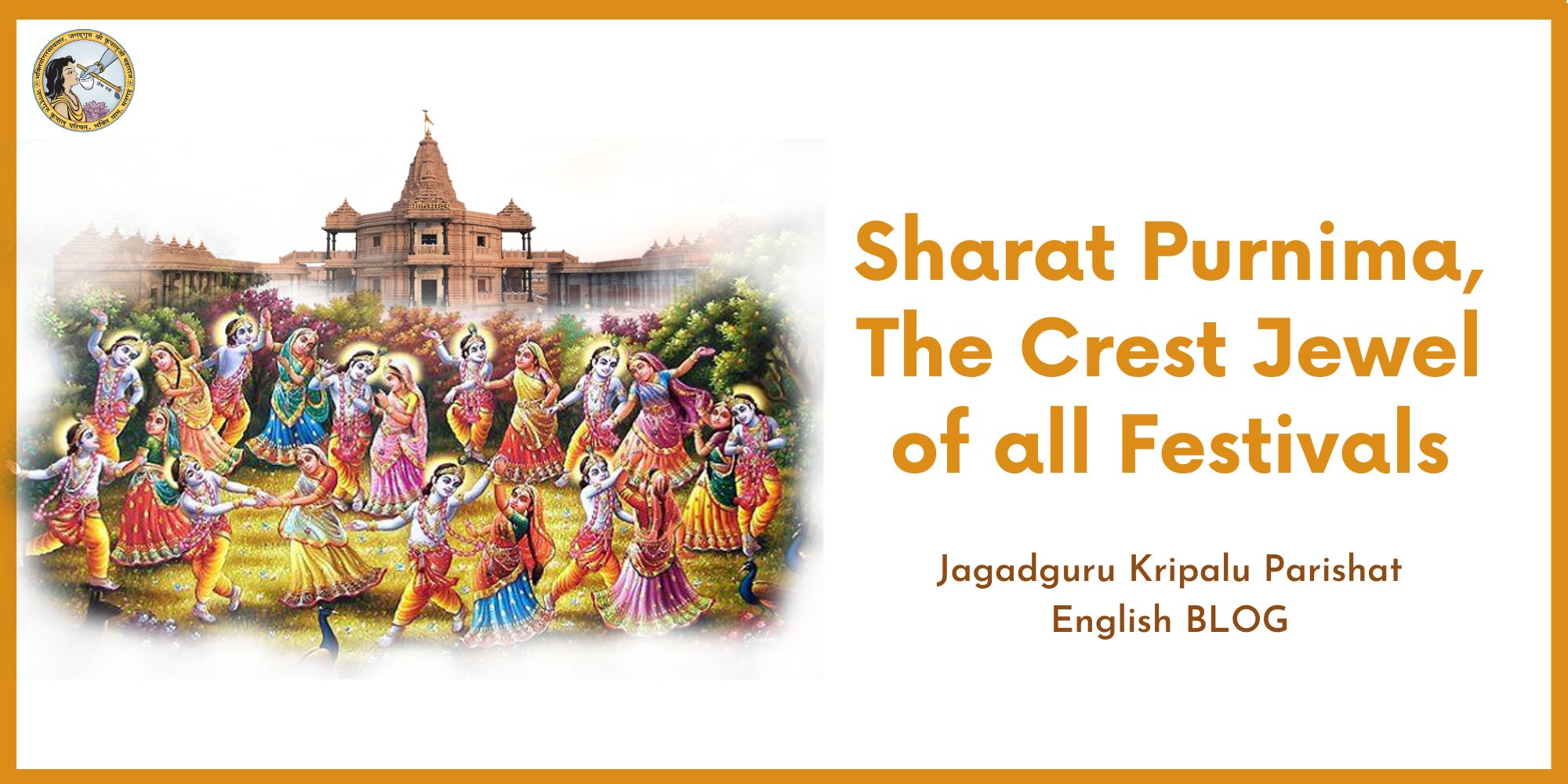
Sharat Purnima, The Crest Jewel of all Festivals
18 October 2024
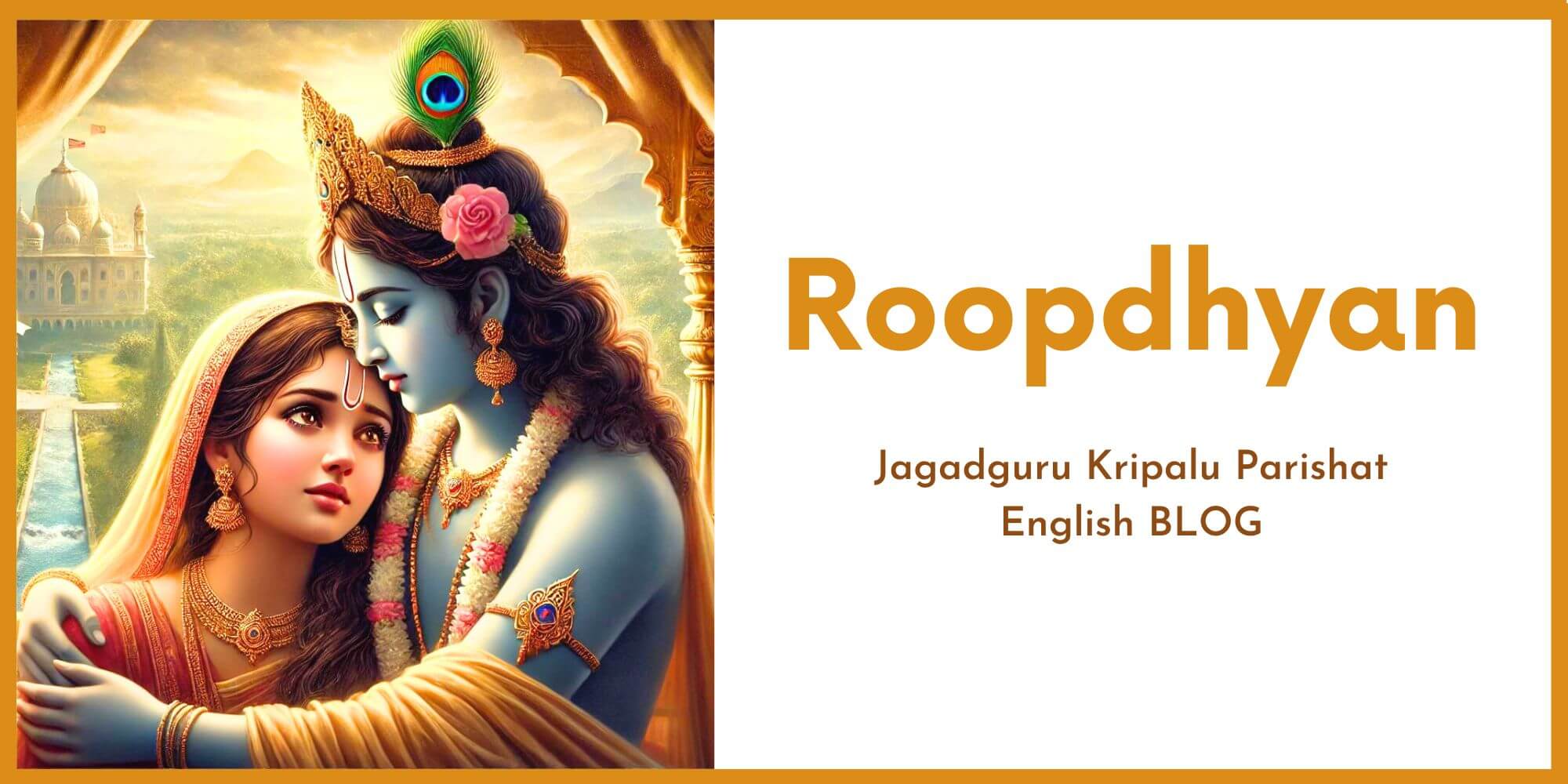
What is Roopdhyan by Jagadguru Shri Kripalu Ji Maharaj
12 October 2024
How do we control our Anger?
26 September 2024
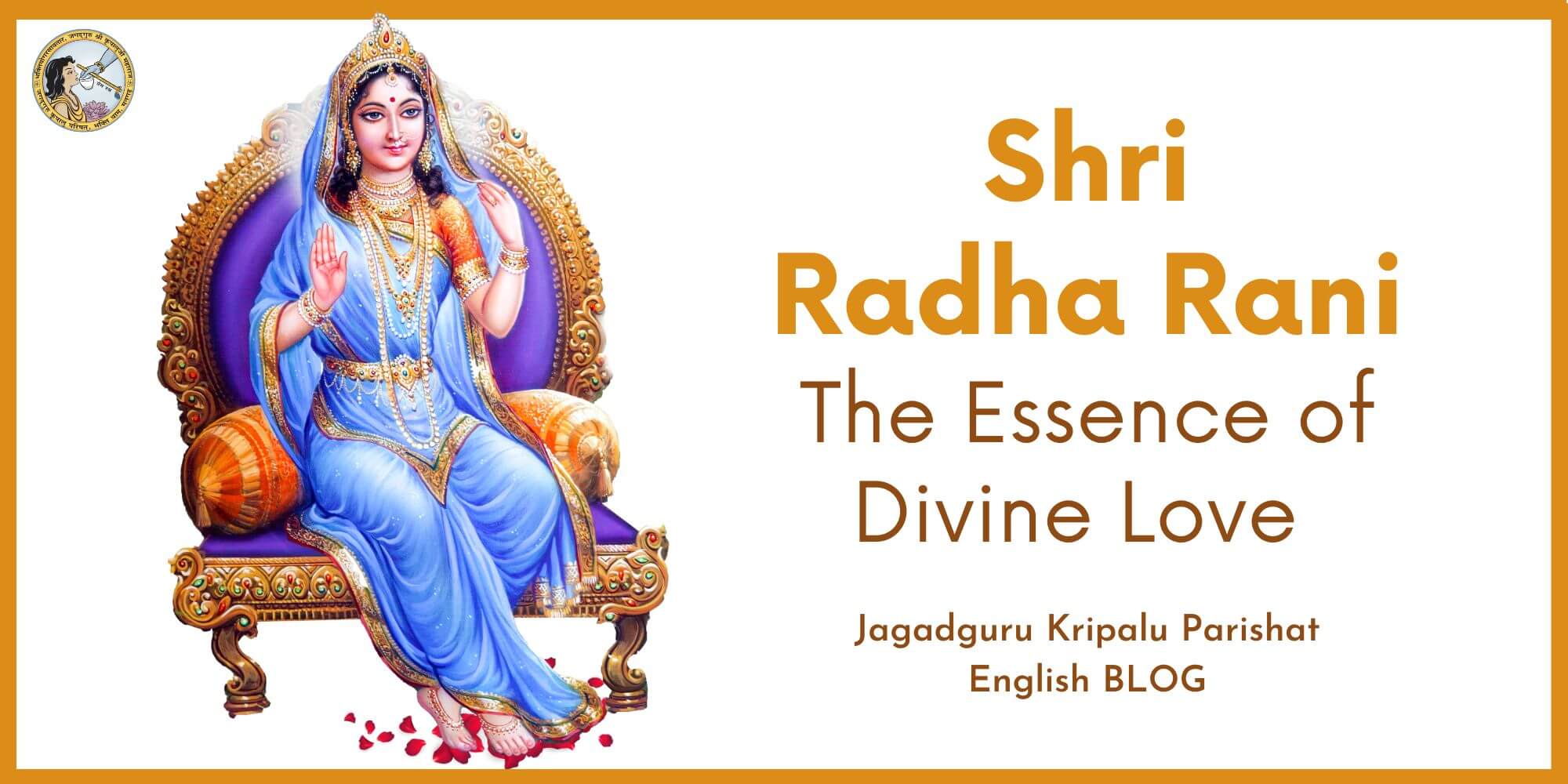
Shri Radha Rani: The Essence of Divine Love
5 September 2024
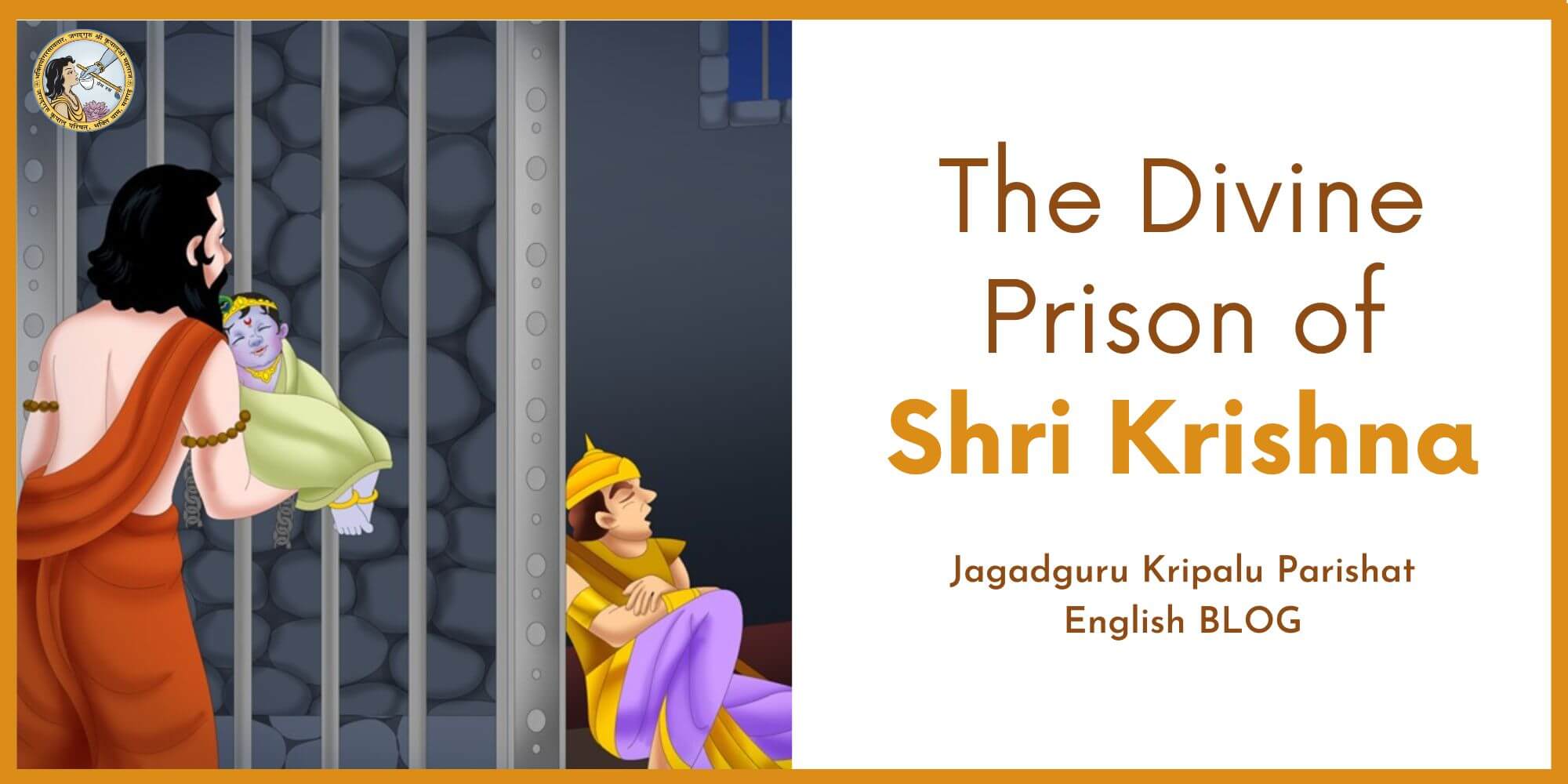
The Divine Prison of Shri Krishna
31 August 2024
How to Build a Personal Relationship with Lord Krishna
25 August 2024
How to celebrate Raksha Bandhan
19 August 2024
The Significance of Hariyali Teej
7 August 2024
Rama Naam Satya Hai
5 August 2024
How to Engage Your Mind in God
5 August 2024
The importance of a Guru in a devotee’s life
15 July 2024

True meaning of ‘Yoga’ (Yog)
21 June 2024
Shri Krishna, Our Real Father
15 June 2024


How to control the mind?
2 June 2024

True Happiness
2 June 2024

How Fortunate You Are
31 May 2024
Narasimha Jayanti
19 May 2024
Importance of Sita Navami
15 May 2024
Importance of Mother’s Day
13 May 2024
The Significance of Akshaya Tritiya
9 May 2024
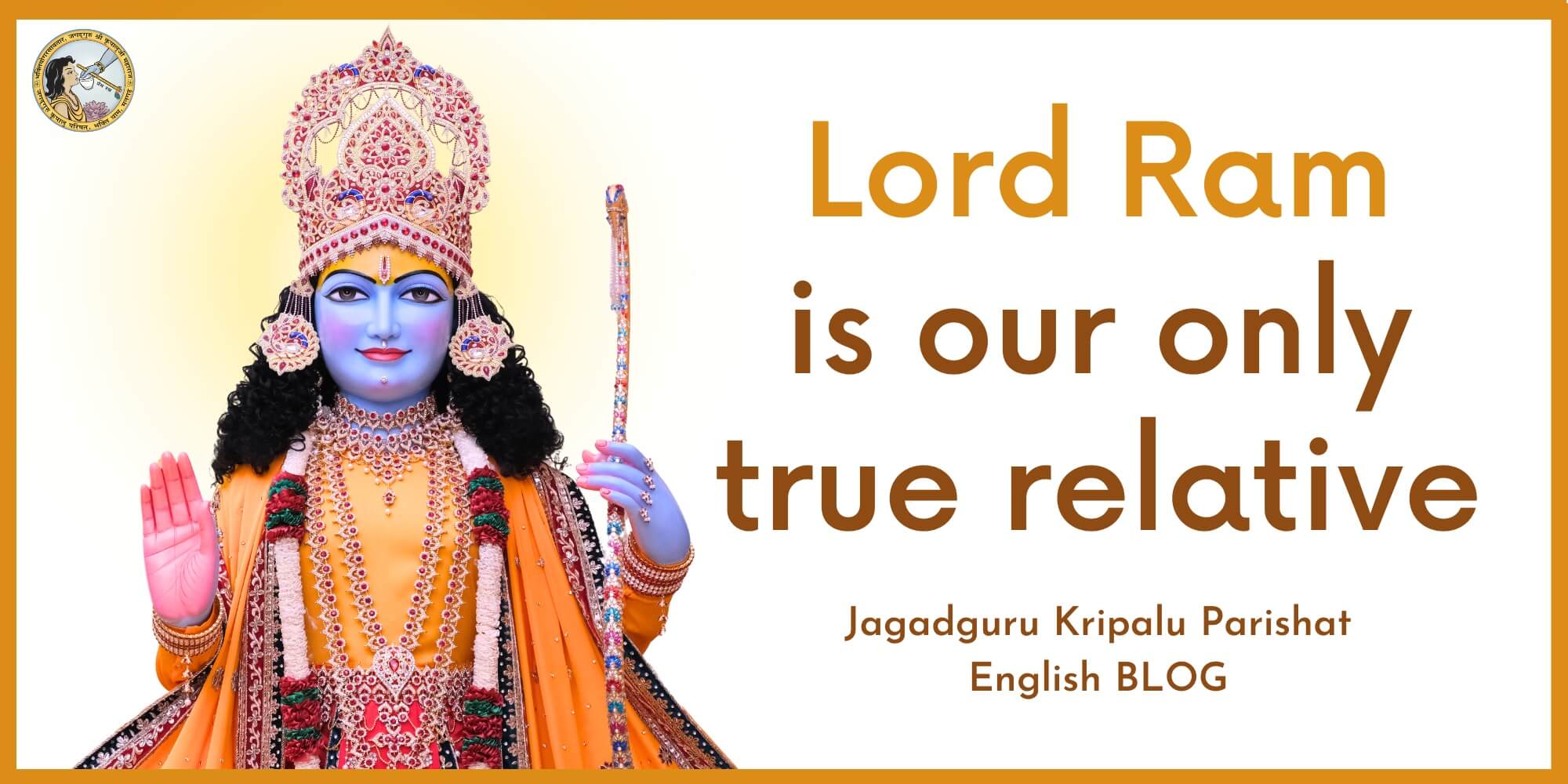
Lord Ram is our only True Relative
3 April 2024
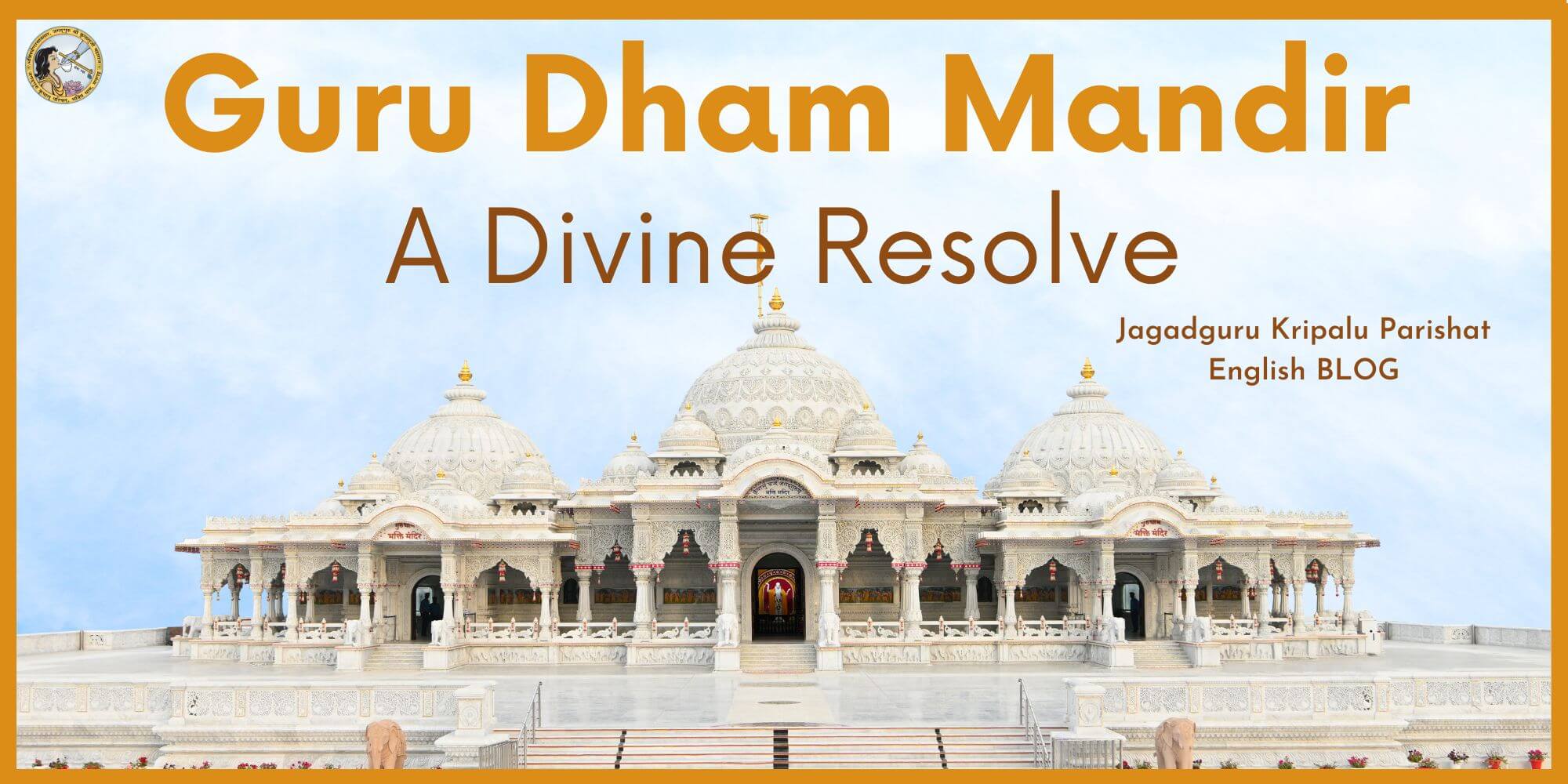
Shri Guru Dham, Bhakti Mandir – A Divine Resolve
27 March 2024
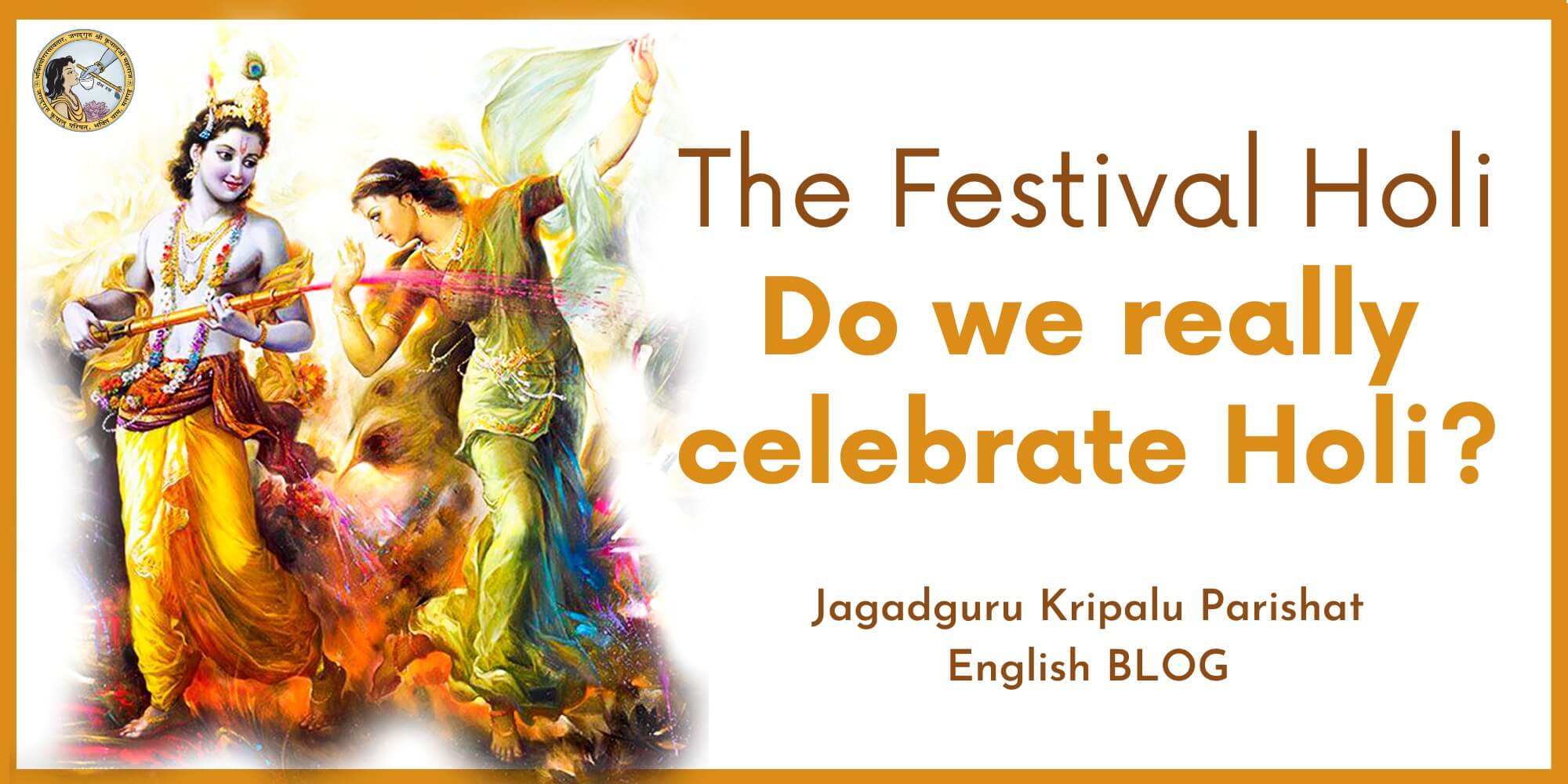
The Festival Holi
25 March 2024
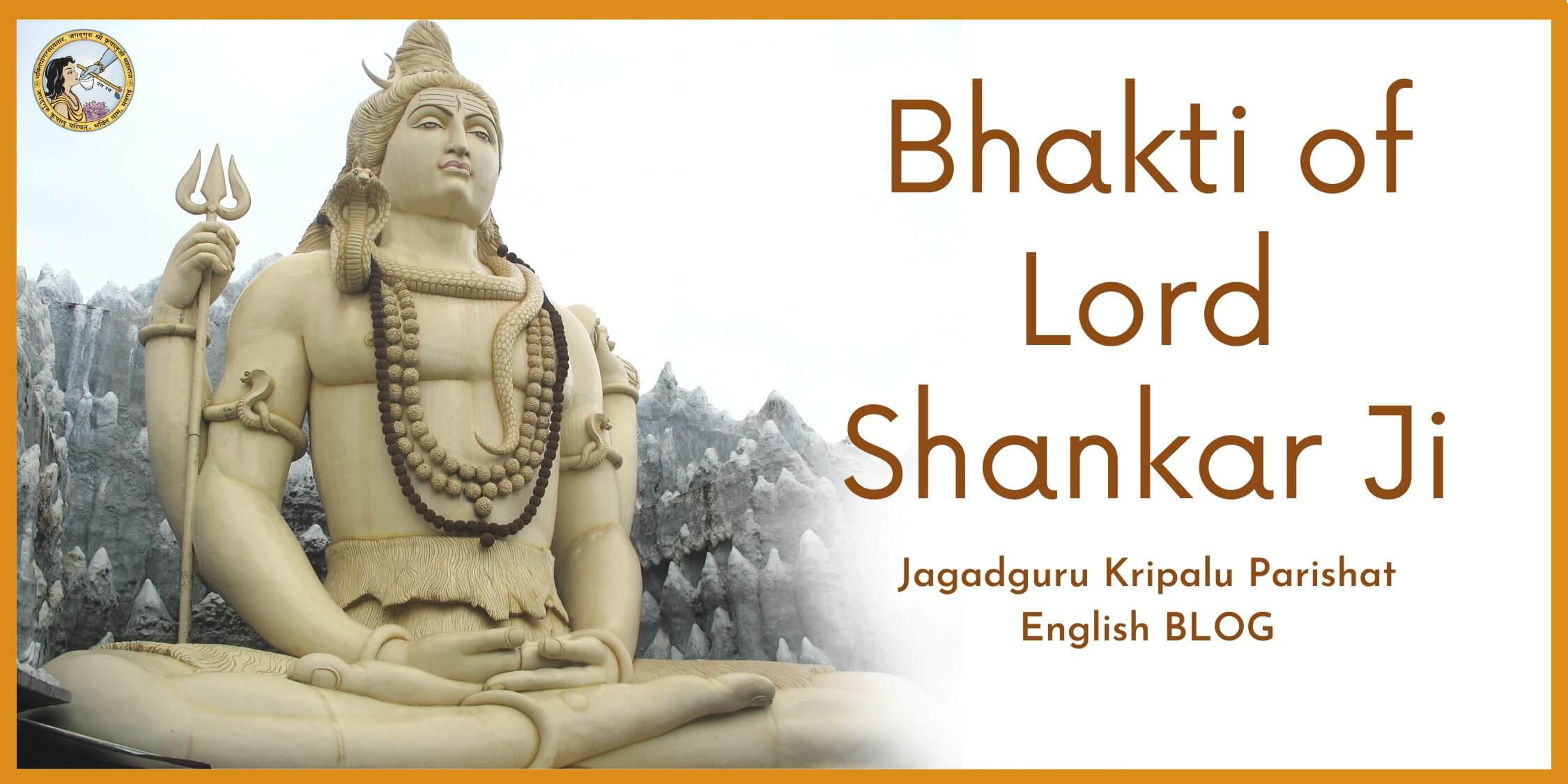
Bhakti of Lord Shankar Ji
7 March 2024
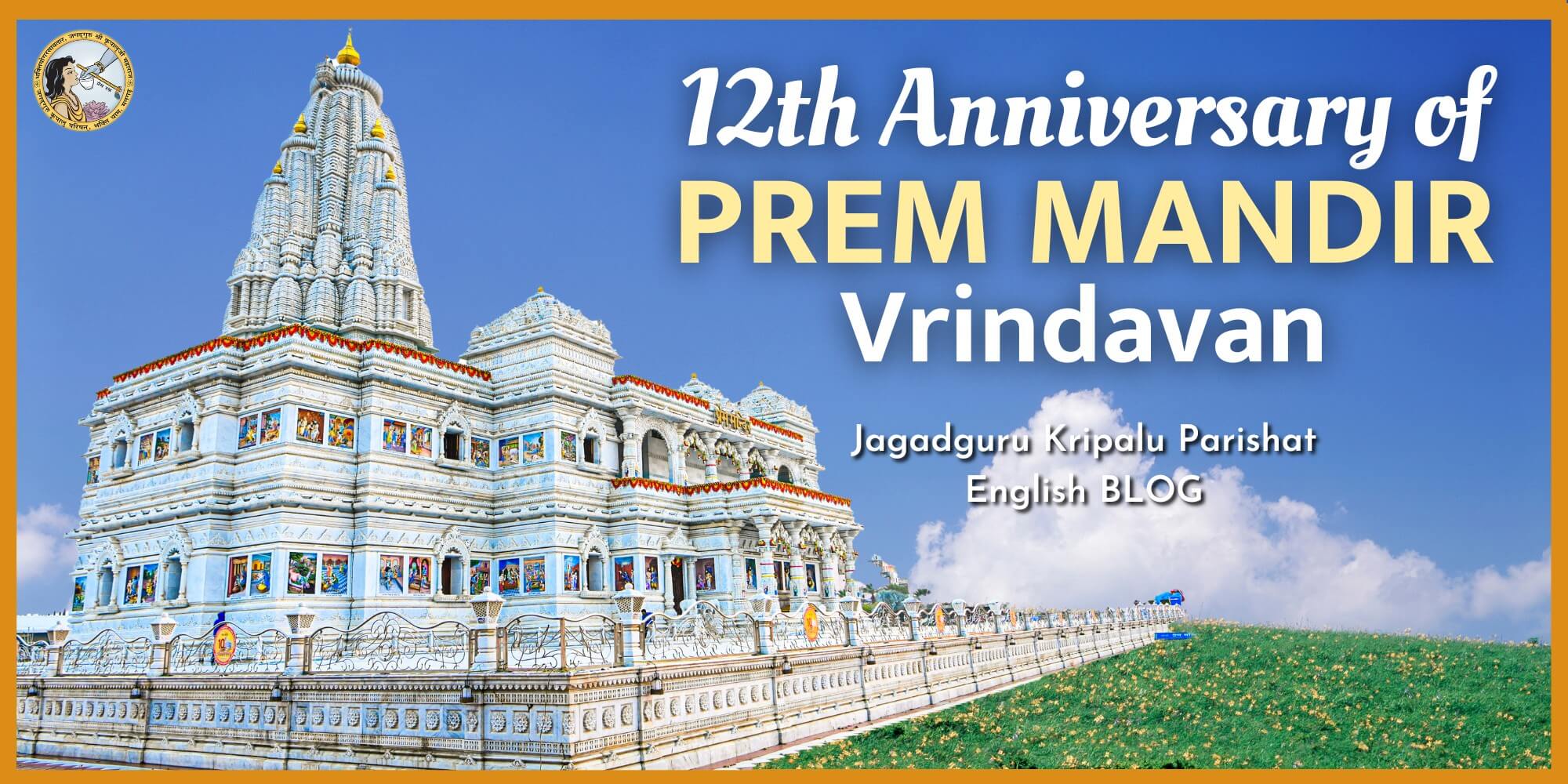
12th Anniversary of Prem Mandir
6 March 2024
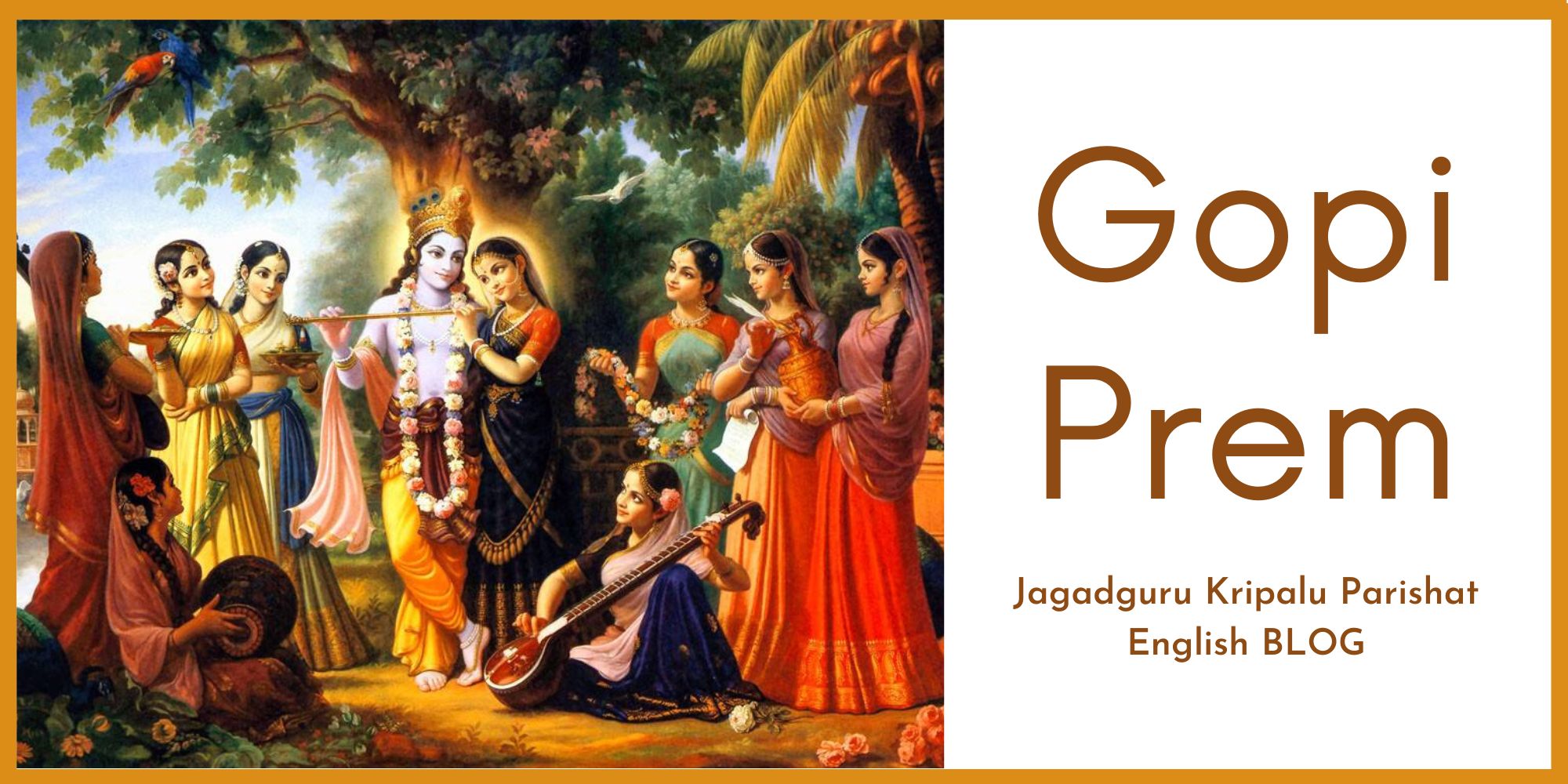
Gopi Prem
13 February 2024
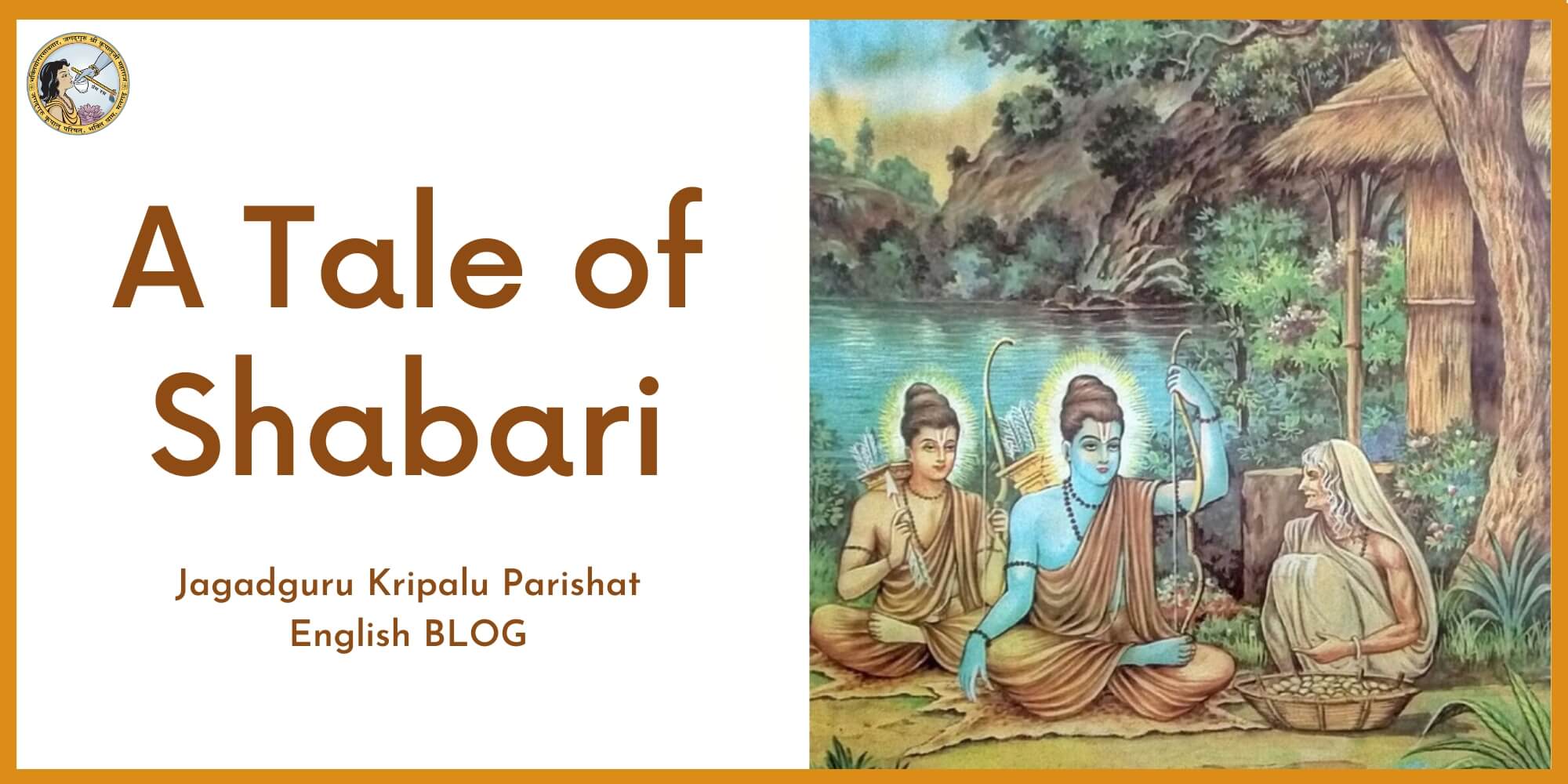
A Tale of Shabari
22 January 2024
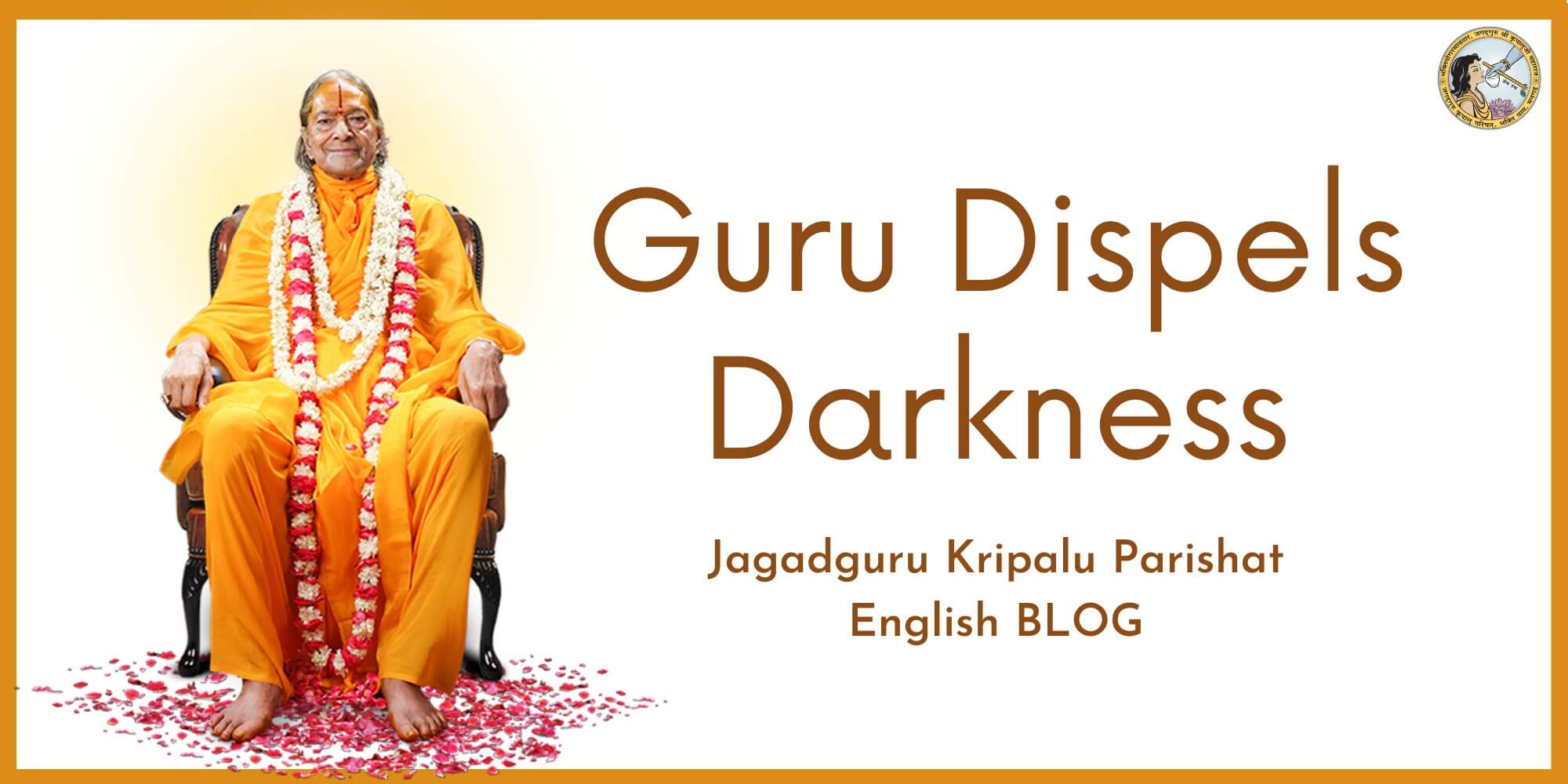
Guru Dispels Darkness
14 January 2024
GOD and GURU
14 January 2024
Jagadguruttam Shri Kripalu Ji Maharaj
14 January 2024
New Year Message by Jagadguru Shri Kripalu JI Maharaj
30 December 2023
The Supremacy of Divine Name ‘RADHE’
30 December 2023
Akshay Navami
21 November 2023
Significance of Govardhan Pooja
13 November 2023
The Significance of Diwali
9 November 2023
Meaning of Karwa Chauth
31 October 2023
Sharat Purnima has come once again…
27 October 2023
Sharat Purnima
27 October 2023

How to find true peace and happiness?
13 October 2023
What is my relationship with God?
13 October 2023
Who is Shri Radha?
21 September 2023
The Supremacy of the Divine Name, ‘RADHE’
19 September 2023
What is our relationship with Shri Krishna? Part 3
28 August 2023
What is our relationship with Shri Krishna? Part 2
28 August 2023
What is our relationship with Shri Krishna? Part 1
28 August 2023
The Significance of Naag Panchami
21 August 2023
The Profound Significance of Guru Purnima
30 June 2023
THE GURU
30 June 2023
Why do we have mood swings?
28 May 2023
Discovering the True Mother on Mother’s Day
12 May 2023
How do we become more tolerant?
4 January 2023
What is the root cause of poor Mental Health?
16 December 2022

How to Improve your Mental Health in 3 simple steps
9 December 2022
How to end suffering and increase our Atman Shakti?
8 December 2022
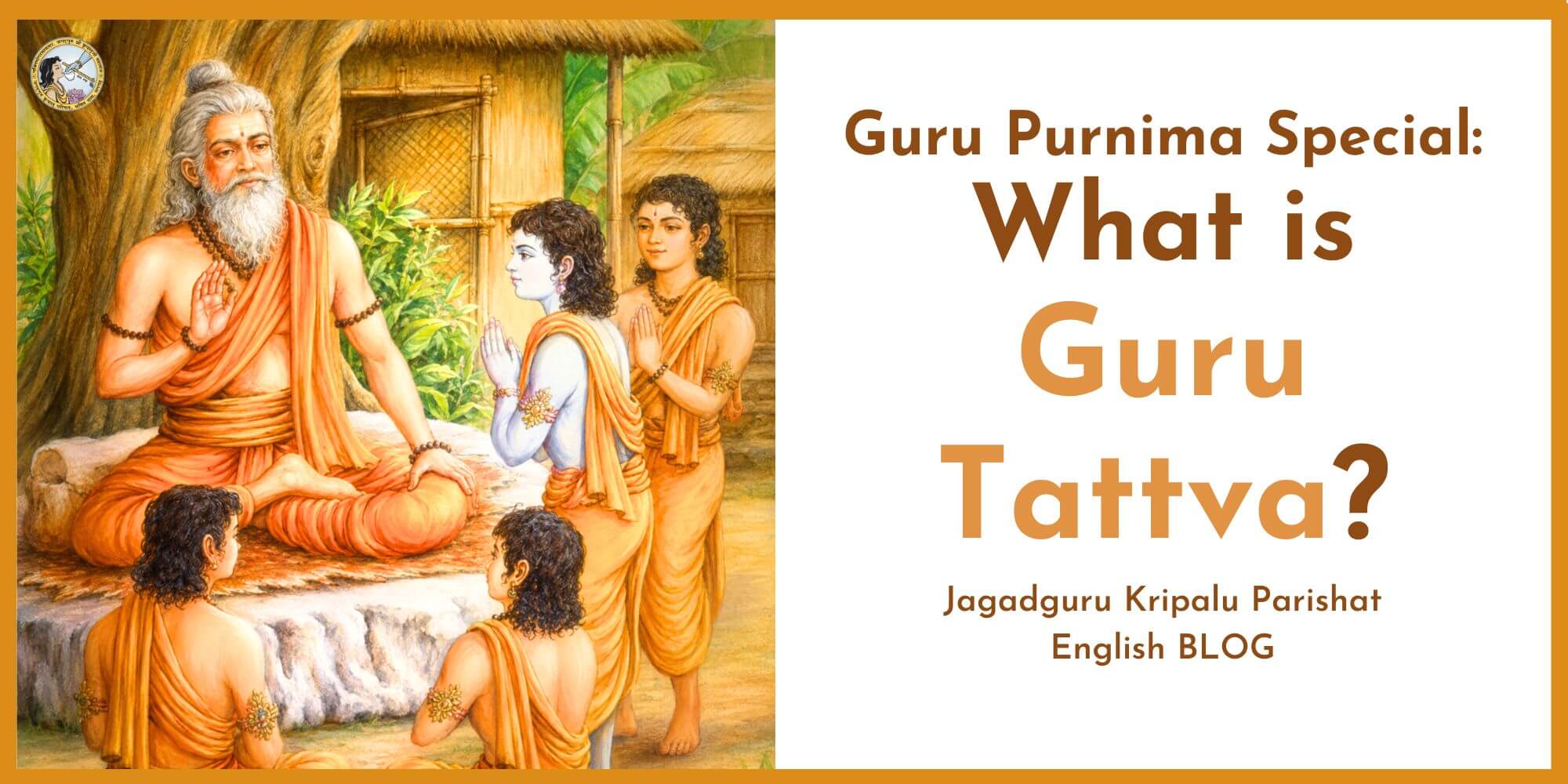
Guru Purnima Special: What is Guru Tattva?
24 July 2026