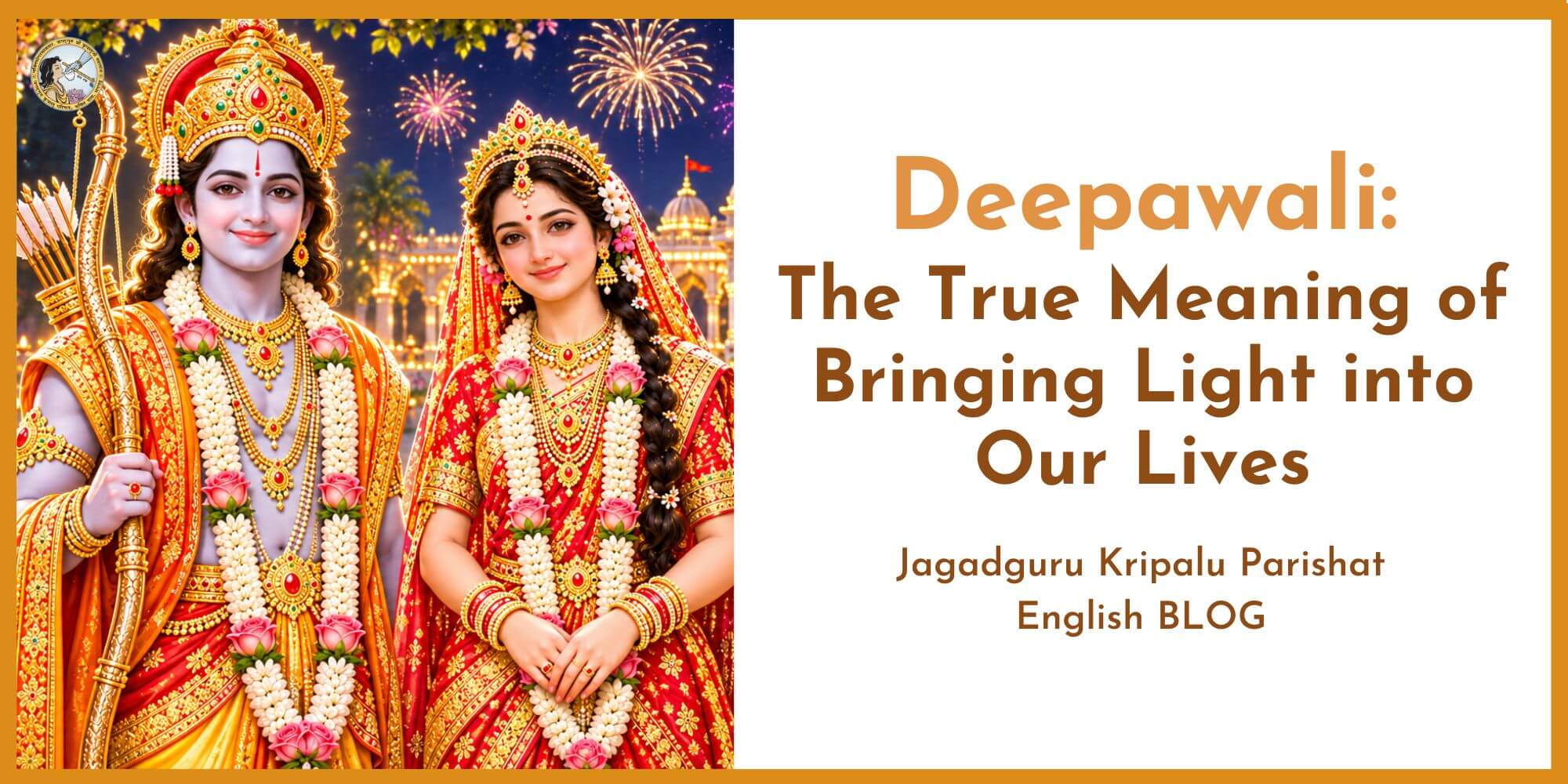
Deepawali: The True Meaning of Bringing Light into Our Lives
(A discourse delivered by Jagadguru Shri Kripalu Ji Maharaj on the occasion of Deepawali)
Some sincere seekers have asked me to explain the significance of Deepawali. But to explain Deepawali is, in a sense, to shed light on light itself! How peculiar that must sound! Someone might say, “Here comes a great personality, setting out to illuminate that which is already illuminated!”
You all already know the meaning of Deepawali. It is a teja-punj, a radiant mass of light, a prakash-punj, an abundance of brilliance and illumination.
On this day, people illuminate their homes with different kinds of lights. Depending on their understanding, they seek material or spiritual benefits from the occasion. But even an ordinary person should understand that Deepawali signifies bringing light into darkness.
This brings us to two elements: light and darkness. They are opposites, so much so that wherever there is light, darkness cannot remain. Yet light can enter wherever darkness prevails. What does this tell us? Darkness cannot overpower light; rather, light always overpowers darkness. The two cannot coexist. The moment light appears, darkness disappears.
Both light and darkness have always existed and will continue to exist. This raises a very interesting question: if darkness cannot remain in the presence of light, what existed in the beginning? Was it light or darkness? What is the true nature of these two elements? These are questions on which we must reflect deeply.
Light, Darkness and the Supreme Illuminator
Light is an insentient entity, and darkness is also an insentient entity. But there must be someone who governs both. Light is a power, and darkness is a power. A power cannot exist without the possessor of that power.
Consider fire. Its nature is to give light and to burn. You cannot separate these properties from fire. Wherever there is fire, there will be light, and the work of burning will take place. The ability to give light and to burn depends upon fire. Fire is the foundation.
Similarly, neither light nor darkness has a beginning. Both are eternal. But there must be someone who upholds them, and that Supreme Power is God, the Supreme Brahman, Shri Krishna.
In the opening prayer, I recited a verse from the scriptures. The intellect is darkness, while the soul is light. But there are two categories of light: one is unlimited consciousness, and the other is minute consciousness. In other words, one is infinite, while the other is infinitesimally small.
Whether the light is small, somewhat greater or greater still, all these degrees of light are related to the infinite light. What about the insentient entity? It too is related to that infinite light. The insentient entity, Maya, is referred to as darkness.
There are, therefore, two sentient entities: one is the Supreme Brahman, Shri Krishna, the all-illuminating source of light; the other is the individual soul, whose luminosity is limited. Pay close attention. We now have three tattvas before us: the Supreme Illuminator, the sentient individual soul, and Maya, the insentient entity.
The Supreme Lord is the source of light for both the individual soul and Maya. Shri Ram, Shri Krishna, God Himself, illuminates both.
The full effulgence of Lord Shri Krishna is called Brahm, as explained by Gaurang Mahaprabhu. Light is the inseparable nature of this Brahm.
The term Brahm refers to this divine effulgence. The unlimited and infinite light of God, who possesses form and attributes, is called Brahm. From this Brahm arise infinite universes. From Him come all souls, including celestial beings, demons and human beings, extending up to the abode of Brahma. All the personal expansions of God from Golok are also included, whether they are under the influence of Maya or beyond it. No one is excluded.
The scriptures further state that this material world is illuminated by Him, and that all sentient beings are illuminated by Him. He is both the light and the illuminator. He is the light, and He is also the one who illuminates everything.
Look at the light bulbs in front of you. What would you call what you see? “Light.” But God is not merely the light; He is also the illuminator. He illuminates everything, both sentient and insentient. God is therefore both the light and the illuminator. All other entities, apart from God, receive their light from Him.
There is, however, a question. The sentient soul also possesses light, although its light is infinitesimally small. If the soul is itself luminous, how did it come under the influence of the darkness of Maya, or ignorance? And how can this darkness be dispelled?
This is precisely the darkness that Deepawali is meant to dispel.
You may not understand the profound significance of this. Instead, you occupy yourselves with decorating your homes with material lights and acquiring material objects, even if only temporarily, to enjoy sattvic (pure and virtuous) and rajasic (passionate and pleasure-seeking) pleasures. But that is not the real purpose.
The real issue is that the soul remains enveloped in the darkness of Maya. We must bring God’s light into that darkness. This is the secret of Deepawali.
So, is this infinitesimally small, sentient soul under the control of Maya? “Yes.”
Did the soul come under the control of Maya at some particular point in time? “No.”
Will it remain under the control of Maya forever? “No.”
Has the soul always existed? “Yes.”
Then, did Maya ever gain control over the soul at some particular point in time? “No.”
Understand this point first.
The answer to the question, “Did the soul become subject to Maya at some point in time?” is No. Why? Because this darkness, Maya, has existed eternally. It did not come into existence at any particular point in time. It is beginningless.
Anything that has a beginning will also come to an end, naturally, without any effort. But the sovereignty of Maya over the soul is eternal. Not only is the soul eternal, but it is also eternally governed by Maya. This subjection did not begin at any particular point in time.
The soul is defined as a sentient entity governed by Maya. The vibhinnansh soul is a part of God’s marginal power and is governed by Maya. This is the definition of the soul. The soul is eternal, and therefore we cannot question why it is eternal. Such a question has no logical basis. Its subjection to Maya is also eternal. It did not happen on one particular day.
Saints explain this through verses from the Ramayan and the Shrimad Bhagavatam. They describe the soul as having become separated from God and, as a result, identifying itself with the body. From then onwards, Maya claimed sovereignty over the soul. But this is a way of explaining the principle. If you ask when this separation actually took place, the answer is that it is eternal.
You cannot interpret a single sentence from scripture in isolation. You must understand the entire scriptural teaching in a manner that is consistent with the Vedas. The Vedas declare that there is one Supreme Illuminator, Brahm, God, and that the soul is eternally bound by Maya.
Thousands of verses in the Vedas, the Bhagavad Gita and the Shrimad Bhagavatam explain that the soul is eternal, ever-existing and unborn. Therefore, it is not correct to say that the soul was once free of darkness and that Maya, or ignorance, came and bound it on a particular day. The sovereignty of darkness, Maya and ignorance has existed from time immemorial.
Why Can Darkness Govern the Soul?
But another question remains. Why does this darkness exist? Why is the soul’s light governed by darkness? If the sovereignty of darkness over the soul has existed eternally, will it not continue forever? That which has always existed will continue to exist. This is the principle. The scriptures explain that eternal truth cannot be unreal, and that which is unreal cannot be eternal truth.
The soul has the nature of light, but its light is so limited that it can be governed by Maya.
Imagine that you close all the doors and windows of a room and switch off the lights. What would you say? It is dark. Now imagine covering the room completely with a large black cloth. You would say that it is even darker. If you cover it with another layer, the darkness becomes greater still.
There are different degrees of darkness. Even when you first close the doors and windows, you may still be able to see many things. The darkness is limited. But as you cover the room further, less light remains.
This illustrates how a small amount of light can be overcome by darkness.
Look at copper. It is a material that possesses a degree of light. But when darkness descends, it cannot perform its function in the way it normally would. Imagine twenty-five ladies sitting in complete darkness, all wearing gold jewellery. You cannot see any of it. Gold, brass and copper may possess light, but their light is so limited that darkness overcomes them.
In the same way, the infinitesimally small, sentient soul has been governed by Maya from time immemorial. There is nothing surprising about this.
Among entities with limited light, the sun, Bhagavan Bhaskar, possesses the greatest degree of light. Can darkness stand before the sun? No. And Bhagavan Shri Krishna is like an infinite number of suns. Maya cannot approach Him or stand before Him.
Consider how we ordinarily speak. Instead of saying, “It is dark now,” we say, “It is night.” When it becomes bright, we say, “It is day.” These are customary expressions, but the actual distinction is between darkness and light.
There are different kinds of night. Sometimes the sky is covered with dense clouds, with neither the moon nor stars visible. At other times, the sky is filled with millions of stars. There is some light, yet we still call it night. Why? Because the light of the stars is too faint to dispel the darkness completely.
Now suppose the full moon appears among the stars. The darkness is reduced further, but has it disappeared completely? No. We still do not call it a day. Only when the sun appears does darkness disappear completely, and we call it daytime.
The stars reduce the darkness to some extent. The moon reduces it further. But night remains until the sunlight appears.
The same principle applies to spiritual practice. You may perform countless good deeds and righteous actions, acquire knowledge through gyan and yog, undertake austerities and fasts, perform Vedic fire sacrifices or give charity. You may follow any number of spiritual practices. These can increase the light of the soul. Ignorance may decrease and knowledge may increase. But the darkness of Maya will not disappear completely through these means alone.
Without the great light, the great darkness cannot be removed.
The light of the sun is temporary. It appears and disappears because of the rotation of the earth. Moreover, the sun itself has a beginning: it appears at the time of creation and disappears at the time of dissolution.
But the great light, Shri Krishna, never disappears once attained. He remains forever, whether creation exists or not. And He is already residing within you. You do not have to go anywhere to find Him. You do not have to search for a power station somewhere outside. God is omnipresent and also dwells in everyone’s heart.
You should now understand that the Supreme Power, the completely perfect Supreme Being, Brahm Shri Krishna alone, is the original, everlasting, unlimited and infinite light. Everything else, whether sentient or insentient, has limited light and is subject to darkness.
We want to free the soul, which means ourselves, from this darkness.
Connecting with the Supreme Light
To free ourselves from darkness, we must establish a connection with the powerhouse, Shri Krishna.
But who will establish this connection, and how?
God says that the soul cannot connect itself. The senses, mind and intellect are material, made of Maya. How can they establish a connection with the divine? The material and the divine are of opposite natures. They cannot connect directly.
God, however, bestows His Grace upon the soul. This is His unlimited, causeless and immeasurable Grace.
God explains that the soul cannot establish this connection by itself. Nor is it His role to perform the task of connecting the soul directly. Think of a powerhouse. It possesses unlimited electricity and can provide as much power as anyone needs. But someone must establish the connection and make that power available.
That work is performed by the Guru.
The Guru connects the mind. But how can the mind, which is material and made of Maya, connect with God, who is divine? God makes a concession for us. He tells us to imagine any of His Divine forms, attach our mind to that form and practise devotion.
By God’s Grace, the mind gradually becomes endowed with His personal divine power. As it acquires that divine power, little by little, it becomes purified. When the mind becomes divine and pure, it can then connect with God. An impure mind cannot establish that connection.
How will the mind become pure? “Ask Guruji.”
God says, in effect, “I have already made so many concessions for you. Do not ask Me how this purification will take place. Go to the Guru and ask Him. Accept Him as your Guru, and regard Him as My own form.”
You must not make even the slightest distinction between God and Guru. The Vedas declare that the same devotion, belief, faith, surrender and obedience that you have towards God must also be directed towards the Guru. You must consider your Guru to be equivalent to your chosen form of God, not as a separate entity.
In this way, when the soul connects its mind to the Guru by following the spiritual practice and instructions given by Him, the mind becomes purified. Then the connection with God can be established.
The power from the powerhouse is also made available through the Guru, because the Guru possesses the same divine power as God.
Thus, you must have understood, in brief, that to dispel the darkness governing the soul, that is, the sovereignty of Maya over it, and to benefit from the divine light, we must take refuge in God and Guru and purify our minds. In other words, we must first prepare the vessel to receive that divine light.
Consider an electric wire. Electricity may be flowing through it with enormous power, but the wire is covered with plastic insulation. You can hold that insulated wire in your hand, even if it carries a current of ten thousand volts. But remove the insulation, and touching it would be fatal within seconds. The power would draw you into it.
Our mind is similarly covered. As long as this covering remains, it cannot establish a connection with the divine or receive that power. We need an exposed wire, a clean and pure mind.
By following the spiritual practice prescribed by our Guru, we must purify the mind and remove the darkness within. We must connect the mind with the powerhouse, Shri Krishna, and attain His servitude.
Then, and only then, will our celebration of Deepawali become meaningful.
This should be the true reason for celebrating Deepawali.
You may consider it good or bad fortune that you were born in India, but perhaps only a few people in our country understand the true reason for celebrating Deepawali. People make an outward display to amuse themselves, yet remain deprived of its real benefit.
The purpose of Deepawali is to remove the darkness governing the soul by connecting the purified mind with the infinite divine light of Shri Krishna. That is the true significance of this festival.
By Jagadguru Shri Kripalu Ji Maharaj
A brief introduction of Jagadguru Shri Kripalu Ji Maharaj*
(Known by His devotees as Shri Maharaj Ji)
The original title of Jagadguruttam (Greatest Spiritual Teacher of the World) was bestowed upon Shri Kripalu Ji Maharaj on January 14, 1957, by Kashi Vidvat Parishad (a council of 500 greatest scholars saints of India). He composed divine texts like Prem Ras Madira, Prem Ras Siddhant, and Radha Govind Geet to lead us on the right path of devotion. He also gave priceless monuments as gifts to the world which include Bhakti Mandir located in Bhakti Dham, Mangarh, Prem Mandir located in Vrindavan Dham, and Kirti Mandir located in Barsana Dham. Shri Maharaj Ji also built hospitals for the impoverished, the Jagadguru Kripalu Chikitsalaya in Vrindavan, Jagadguru Kripalu Chikitsalaya in Barsana, and another one in Pratapgarh. All three help millions of underprivileged to gain free access to medical care. His Kindergarten, School, and College for impoverished girls Jagadguru Kripalu Parishat Education is located in Kunda and provides completely free education. To stay updated with all the news and events of Jagadguru Kripalu Parishat, visit www.jkp.org.in/jkpwhatsapp.
Follow us on Social
Recent Posts
Vijayadashami: The Divine Leela of Bhagwan Ram
19 October 2026
Durga Navami: A Prayer for the Divine Love of the Gopis
19 October 2026
Shri Radha Rani: The Divine Beauty That Enchants Even Krishn...
14 September 2026
Shri Radha Rani and Shri Krishna: Not two but one Divine Ent...
14 September 2026
Radha Rani: Her Divine Appearance and Transcendental Form
14 September 2026
The Art of Surrender: How to Let Shri Krishna Take Care of Y...
1 September 2026
How to Meditate on Shri Krishna
30 August 2026
The Divine Appearance of Shri Krishna
23 August 2026

The True Spirit of Hariyali Teej
14 August 2026
Guru Purnima Special: Why does God send Gurus to this World?
14 August 2026
Guru Purnima Special: Who is Greater – Guru or God?
24 July 2026
Guru Purnima Special: How does one find a true Guru?
24 July 2026
What Do You Have to Be Proud Of?
26 June 2026
What can the world really give us?
12 June 2026
Free Will: Choosing between God and the World
29 May 2026
Engage the Mind and Senses in Devotion
21 May 2026
Training the Mind in Bhakti
30 April 2026
Who is More Important – Sita or Ram?
25 April 2026
Akshaya Tritiya: Its True Significance
20 April 2026
God Alone Is Mine
18 April 2026
Ram in Krishna, Krishna in Ram
28 March 2026
The True Spiritual Significance of Holi
5 March 2026
Gaurang Mahaprabhu: The Incarnation of Divine Love
5 March 2026
Mahashivratri -Understanding the Oneness of the Divine
14 February 2026
Beyond Valentine’s Day: The Divine Love of Gopi Prem
14 February 2026
Jagadguruttam’s Teachings: How to Practice Bhakti for Shri...
17 January 2026

Jagadguruttam’s Teachings: Where is True Happiness?
17 January 2026
Jagadguruttam’s Teachings: WHO AM I?
17 January 2026
The New Year: A Time for Reflection
2 January 2026

Tulsi and Shaligram Vivah
2 November 2025
Akshay Navami: Remembering Radha Rani’s Lotus Feet
31 October 2025
Gopashtami: When God Became a Cowherd
29 October 2025
The Story Behind the Worship of Giriraj Govardhan
22 October 2025
Sharad Purnima Special – Always Feel the Presence of G...
5 October 2025

10th Anniversary of Jagadguru Kripalu Chikitsalaya, Vrindava...
26 September 2025
Janmashatami Special – Why connect with Shri Krishna?
11 August 2025
Janmashatami Special – Who is Shri Krishna?
5 August 2025
Who is More Merciful – God or the Saint?
11 July 2025
Who is Lord Jagannath?
27 June 2025
True Yoga: A Union of Body, Mind and Soul
22 June 2025
Celebrating Father’s Day with God
13 June 2025
Shri Radha Rani – Our Eternal Mother
10 May 2025
Sita is Ram, Ram is Sita
5 May 2025
Hanuman Ji’s Unmatched Seva
12 April 2025
Beyond Colors: Prahlad’s Teachings & the Spiritual Si...
15 March 2025
Beyond Colours: Prahlad’s Teachings & the Spiritual S...
14 March 2025
Who is Gaurang Mahaprabhu?
13 March 2025
What Blessing Should One Ask from Bhagwan Shiva?
24 February 2025
Celebrating 13 Glorious Years of Prem Mandir
22 February 2025
Gopi Prem Day – A Celebration of Divine Love
14 February 2025

Where does the soul go after death?
26 January 2025
The Relationship between God and the Soul – (The Real ...
21 January 2025
The Relationship between God and the Soul (The True Meaning ...
18 January 2025
The Relationship between God and the Soul
3 January 2025
Celebration or Contemplation on New Year
31 December 2024
The Unconditional Grace of God and Mahapurush
22 December 2024
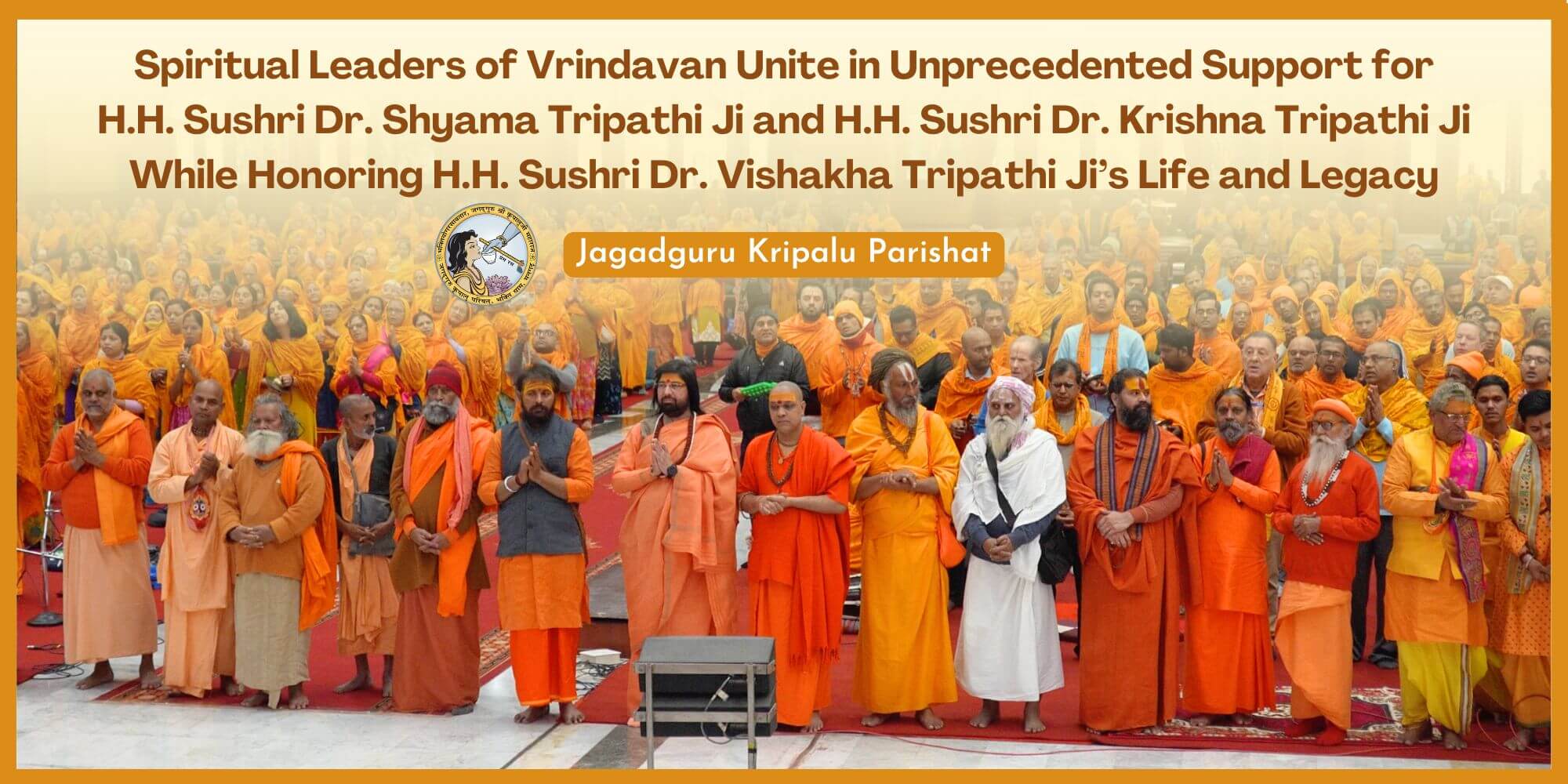
Spiritual Leaders of Vrindavan Unite in Unprecedented Suppor...
10 December 2024
An Icon of Selfless Service: Remembering Her Holiness Sushri...
30 November 2024
A Soulful Tribute from the Preachers of Jagadguru Shri Kripa...
30 November 2024
The Story Behind Tulsi Vivah
11 November 2024
The Significance of Akshay Navami
10 November 2024
Bhaiya Dooj Celebrations
3 November 2024
Govardhan Pooja
2 November 2024

The secret behind celebrating Dhanteras
26 October 2024
Essence of Karwa Chauth
19 October 2024
Sharat Purnima, The Crest Jewel of all Festivals
18 October 2024
What is Roopdhyan by Jagadguru Shri Kripalu Ji Maharaj
12 October 2024
How do we control our Anger?
26 September 2024
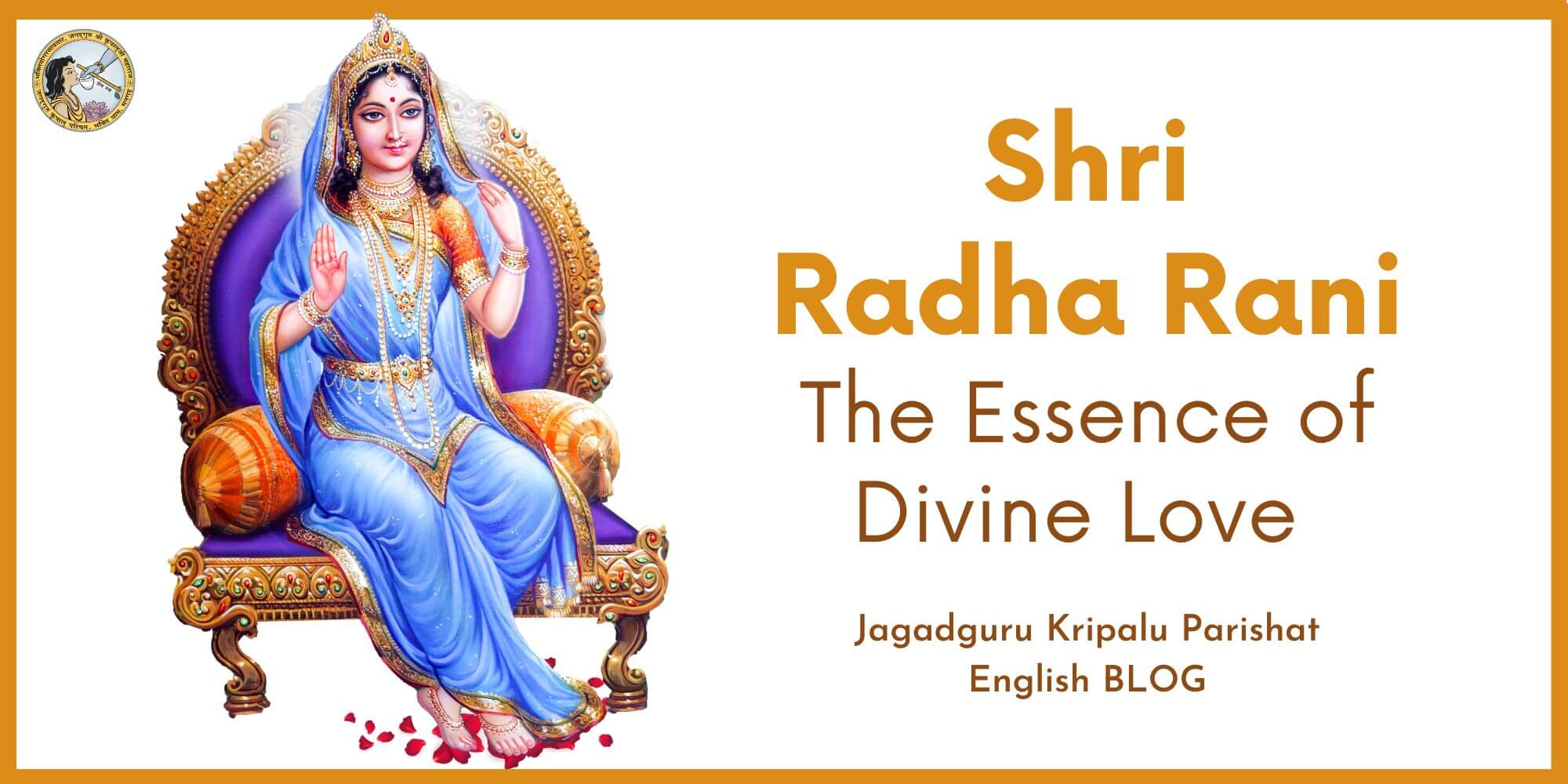
Shri Radha Rani: The Essence of Divine Love
5 September 2024
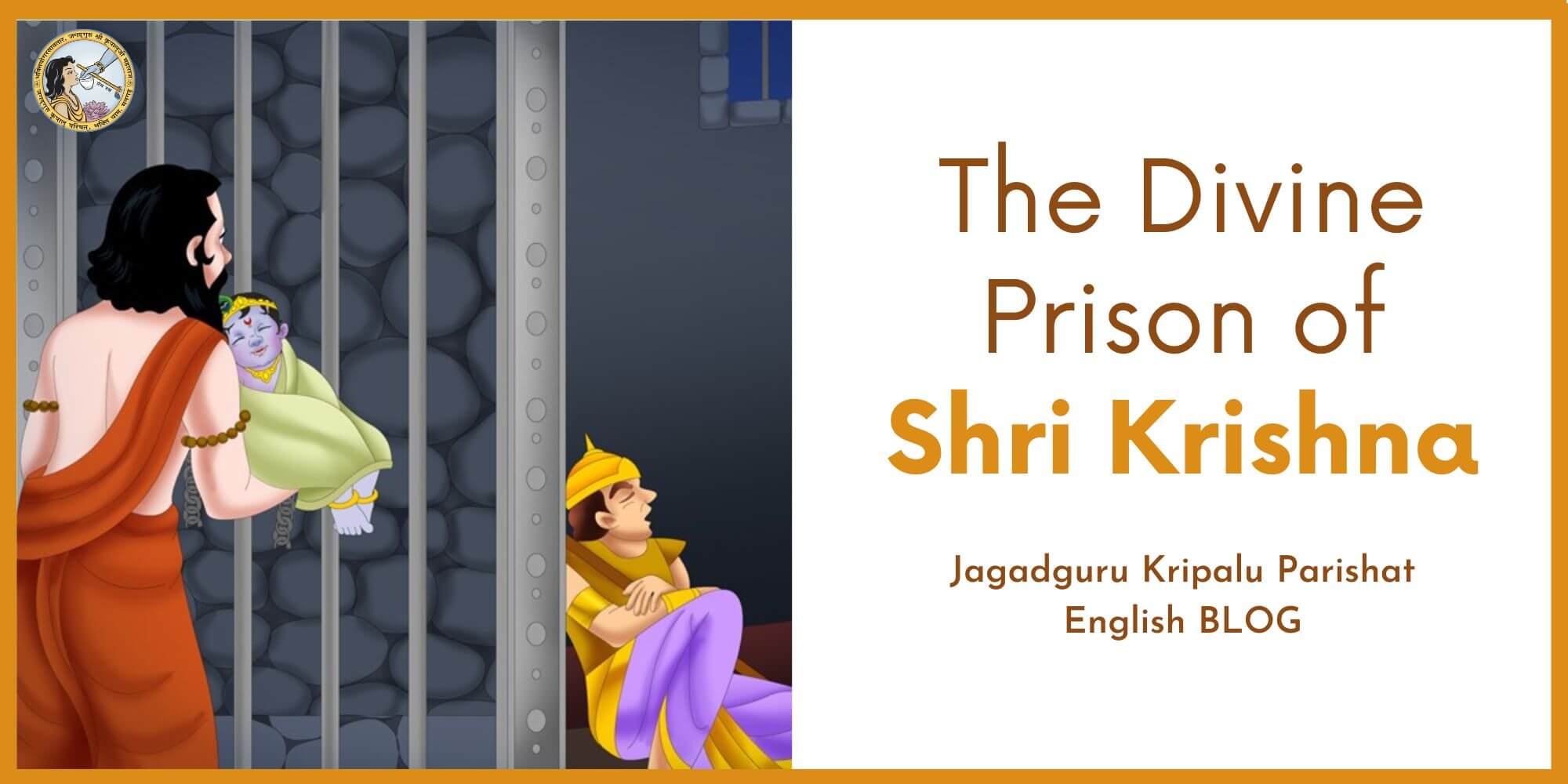
The Divine Prison of Shri Krishna
31 August 2024
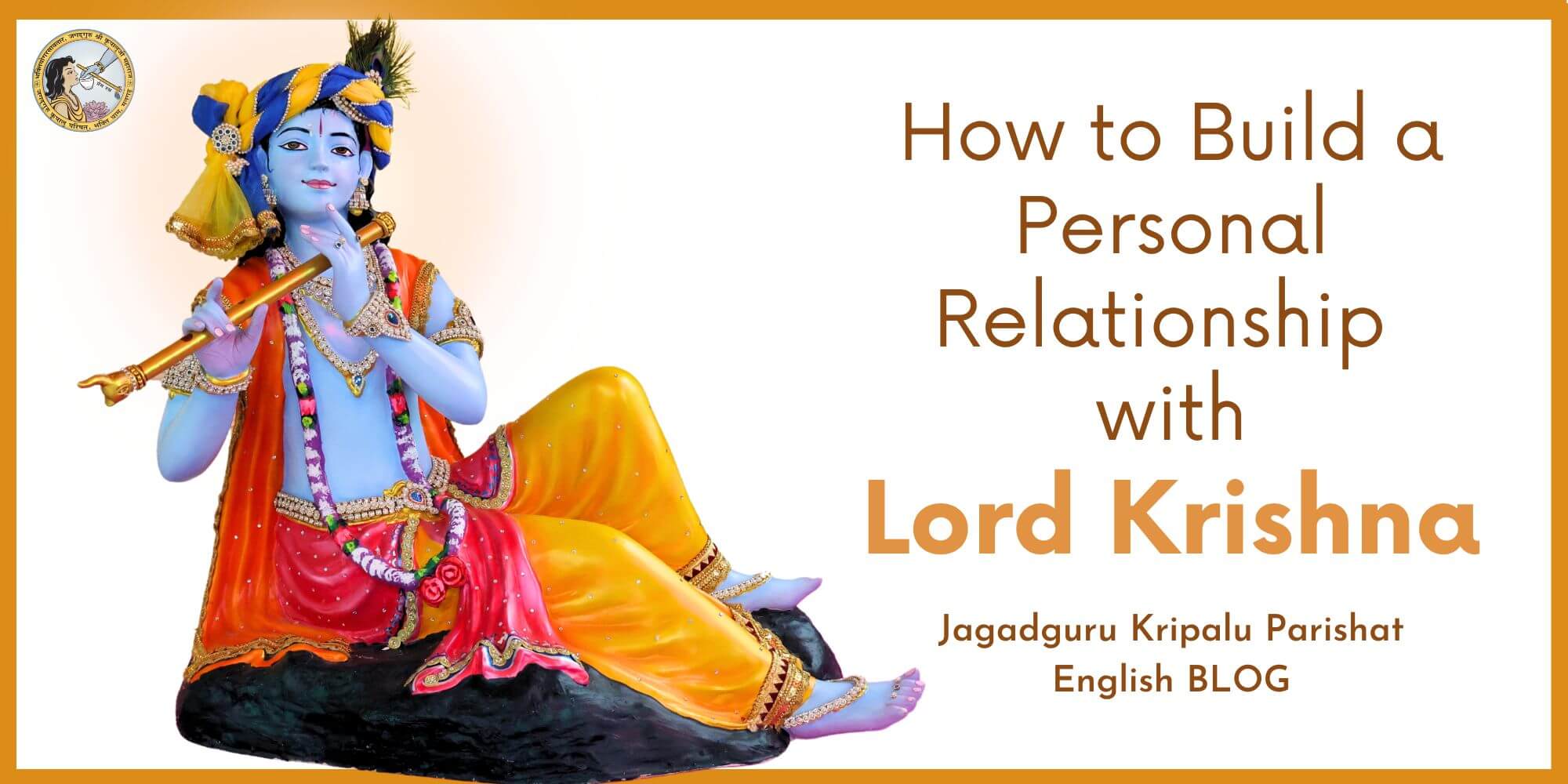
How to Build a Personal Relationship with Lord Krishna
25 August 2024
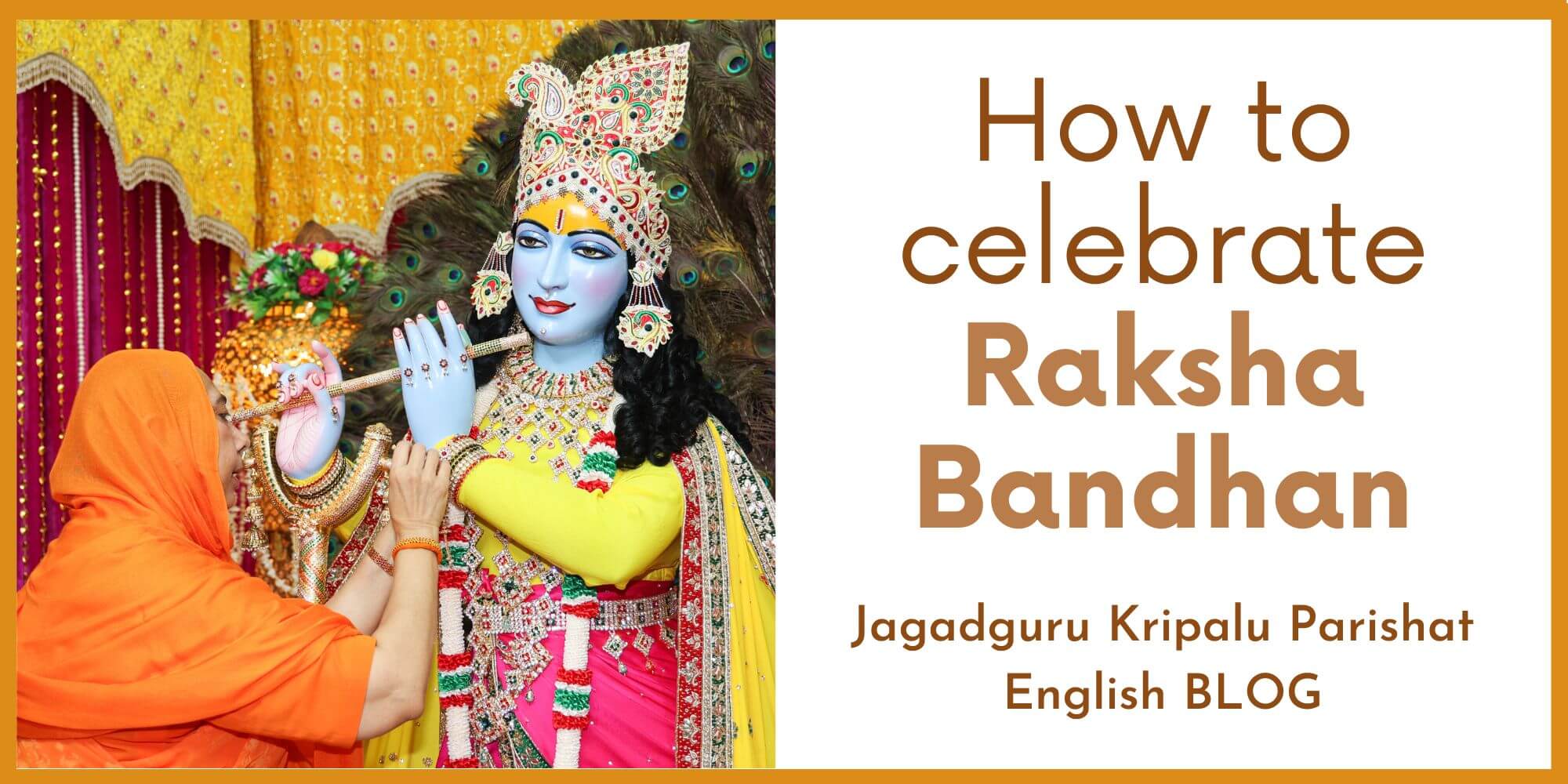
How to celebrate Raksha Bandhan
19 August 2024
The Significance of Hariyali Teej
7 August 2024
Rama Naam Satya Hai
5 August 2024
How to Engage Your Mind in God
5 August 2024
The importance of a Guru in a devotee’s life
15 July 2024
True meaning of ‘Yoga’ (Yog)
21 June 2024
Shri Krishna, Our Real Father
15 June 2024

How to control the mind?
2 June 2024

True Happiness
2 June 2024
How Fortunate You Are
31 May 2024
Narasimha Jayanti
19 May 2024
Importance of Sita Navami
15 May 2024
Importance of Mother’s Day
13 May 2024
The Significance of Akshaya Tritiya
9 May 2024
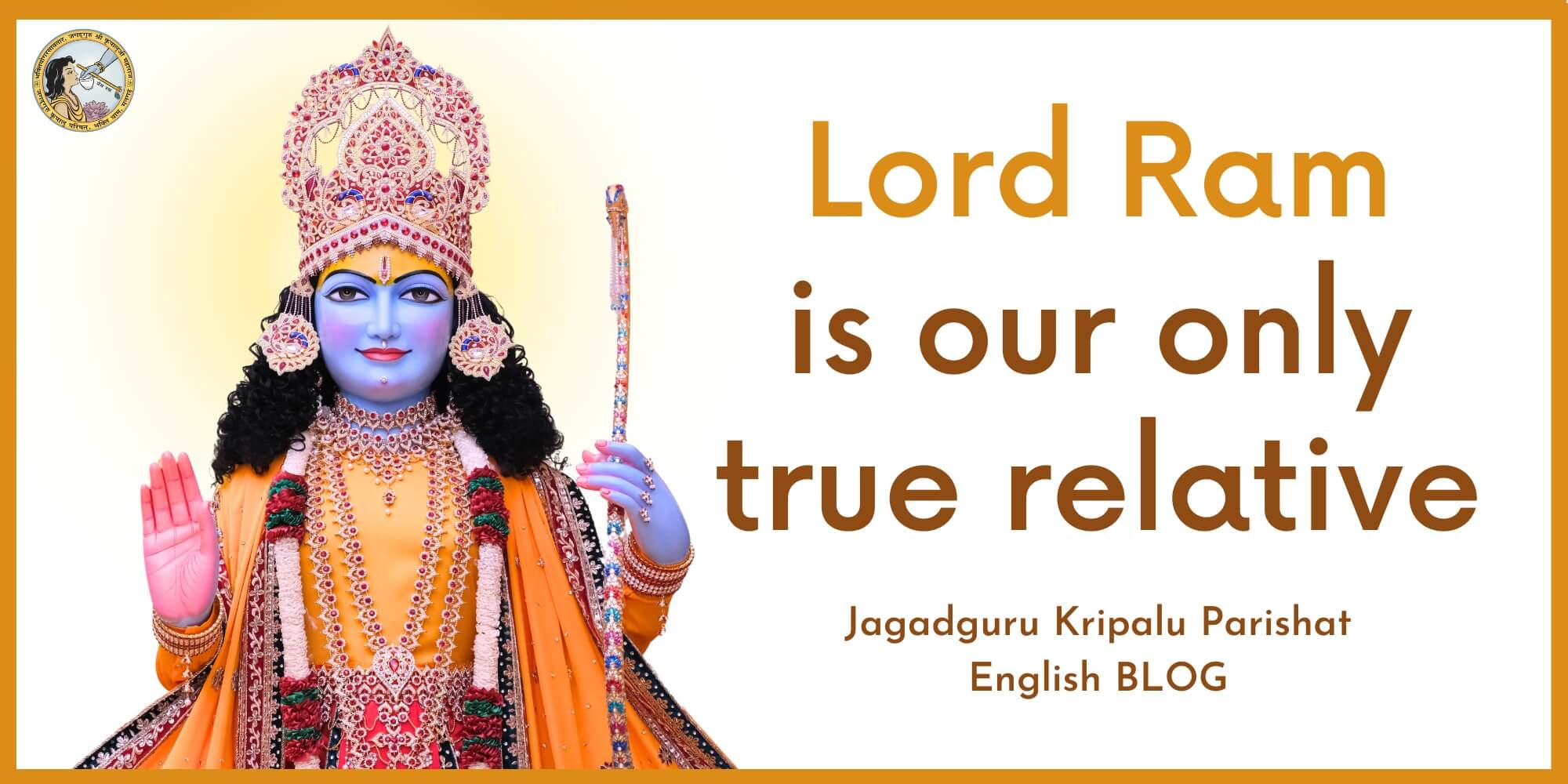
Lord Ram is our only True Relative
3 April 2024
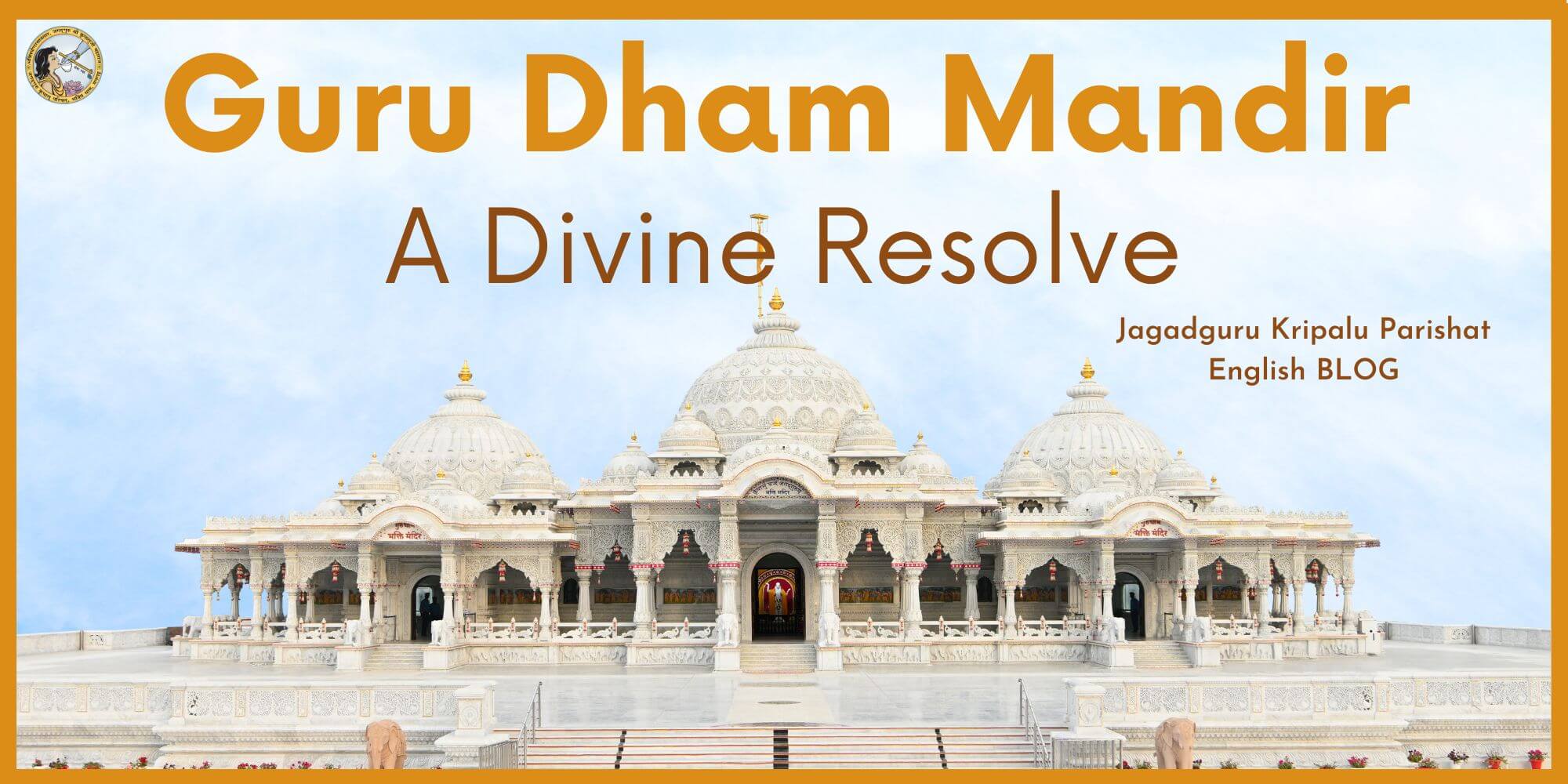
Shri Guru Dham, Bhakti Mandir – A Divine Resolve
27 March 2024
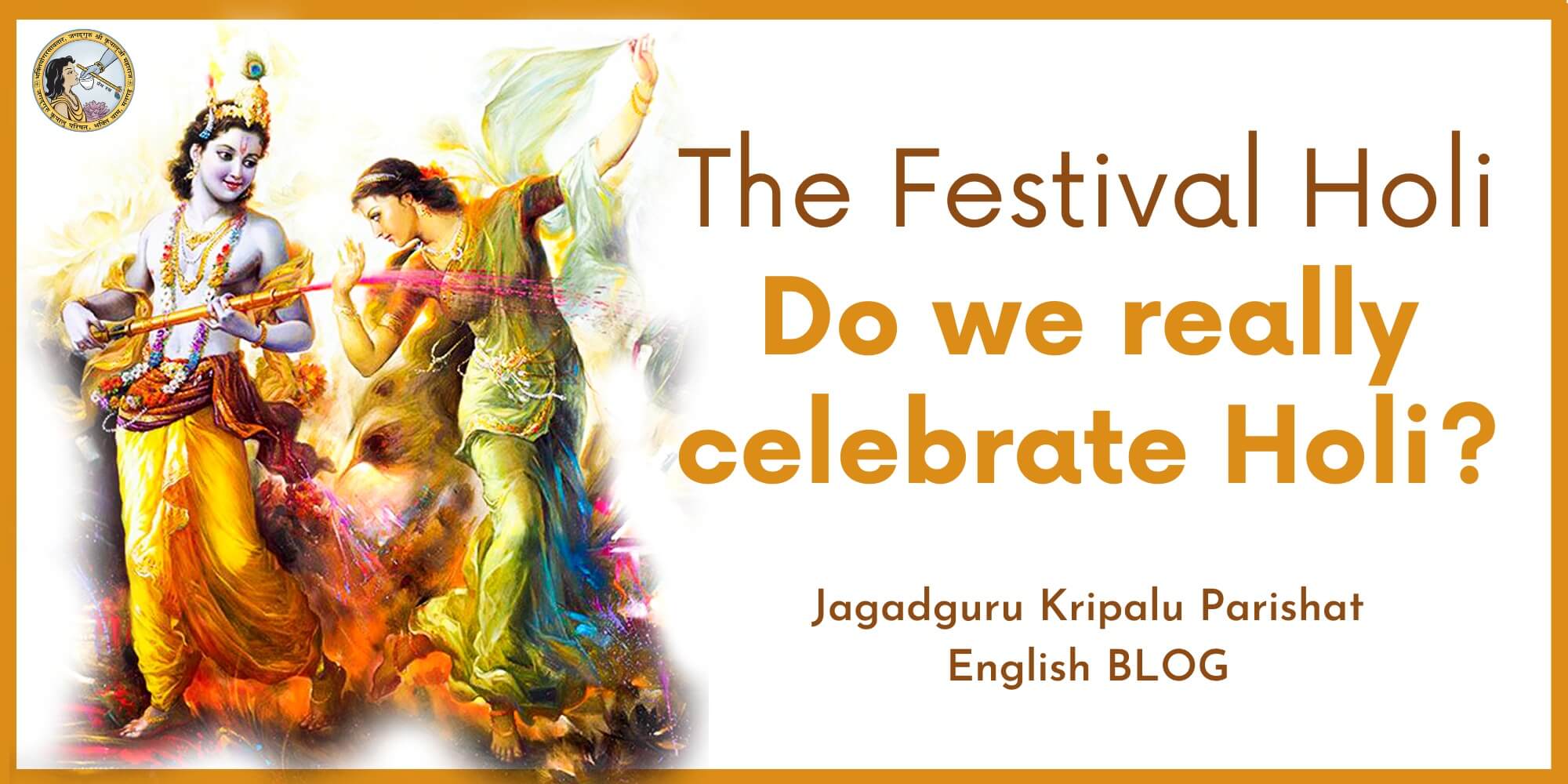
The Festival Holi
25 March 2024
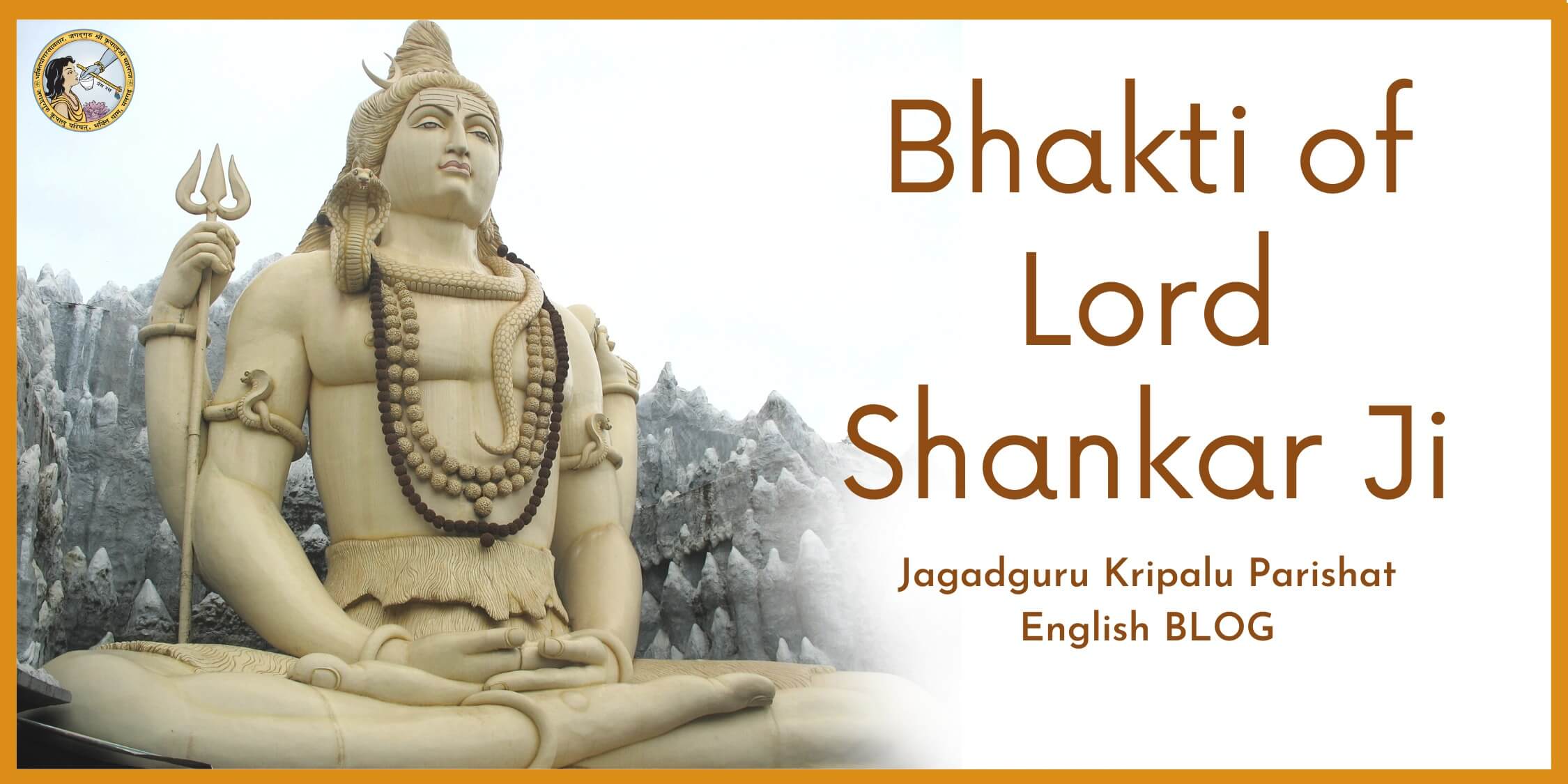
Bhakti of Lord Shankar Ji
7 March 2024
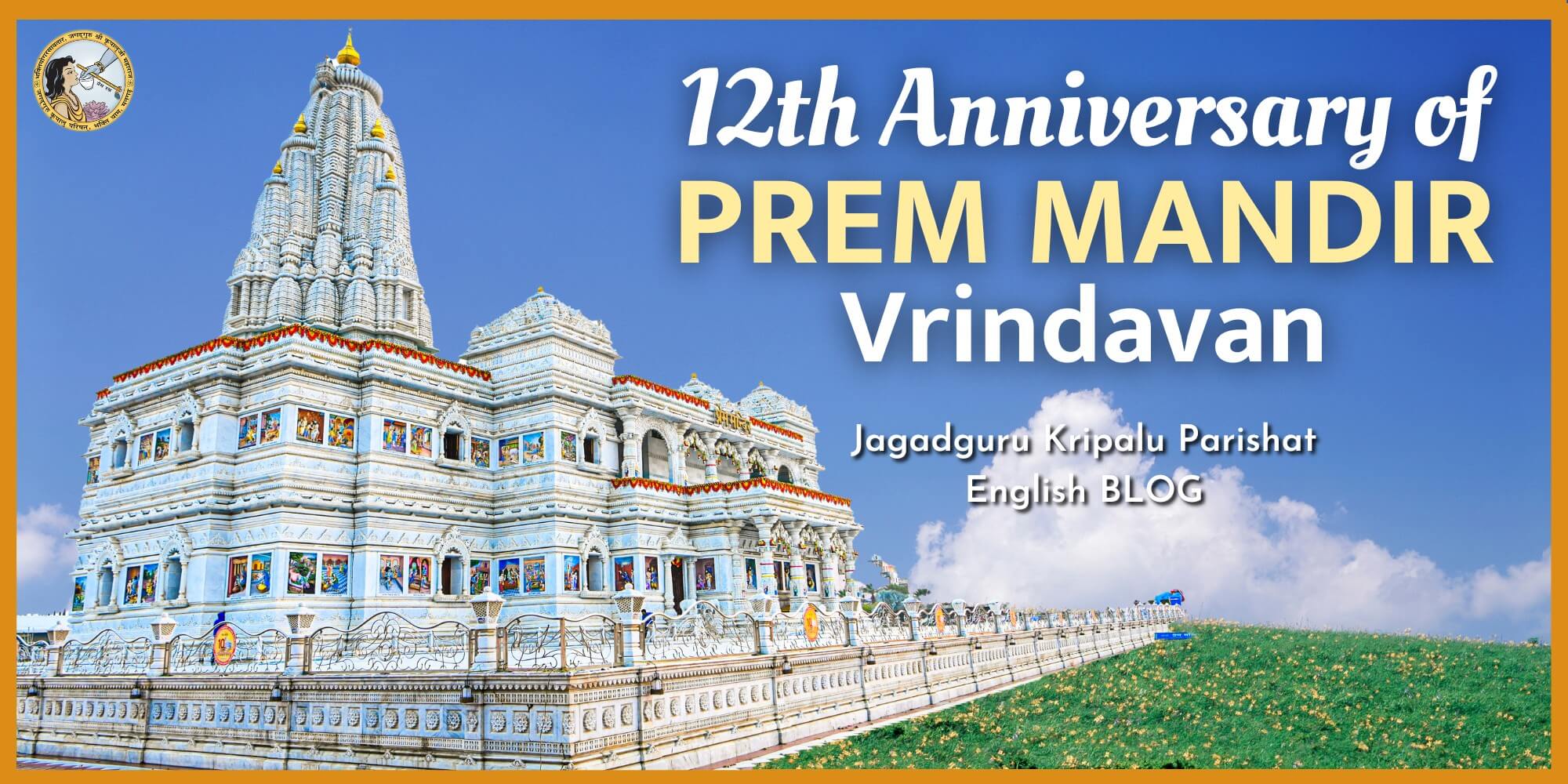
12th Anniversary of Prem Mandir
6 March 2024
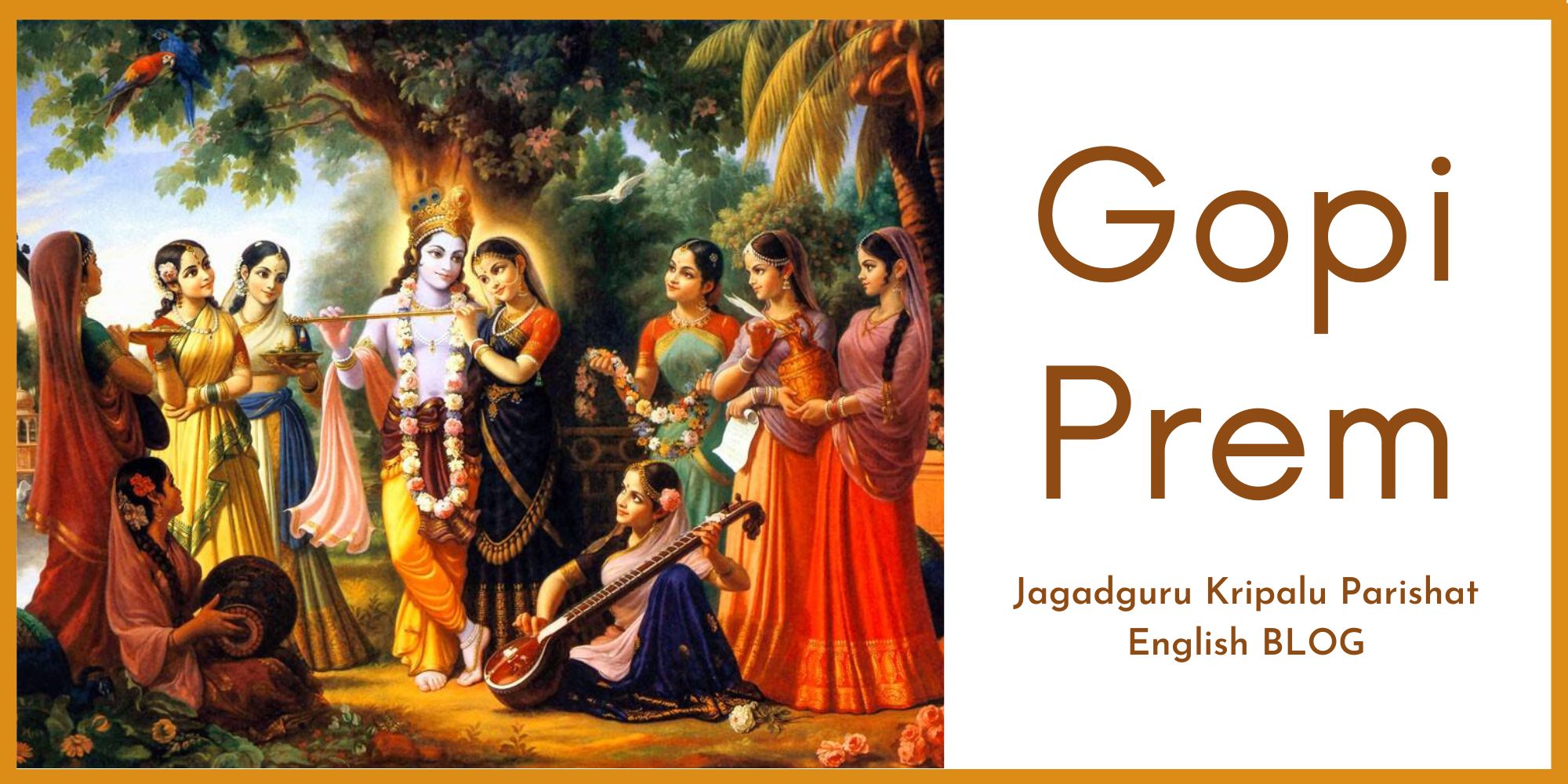
Gopi Prem
13 February 2024
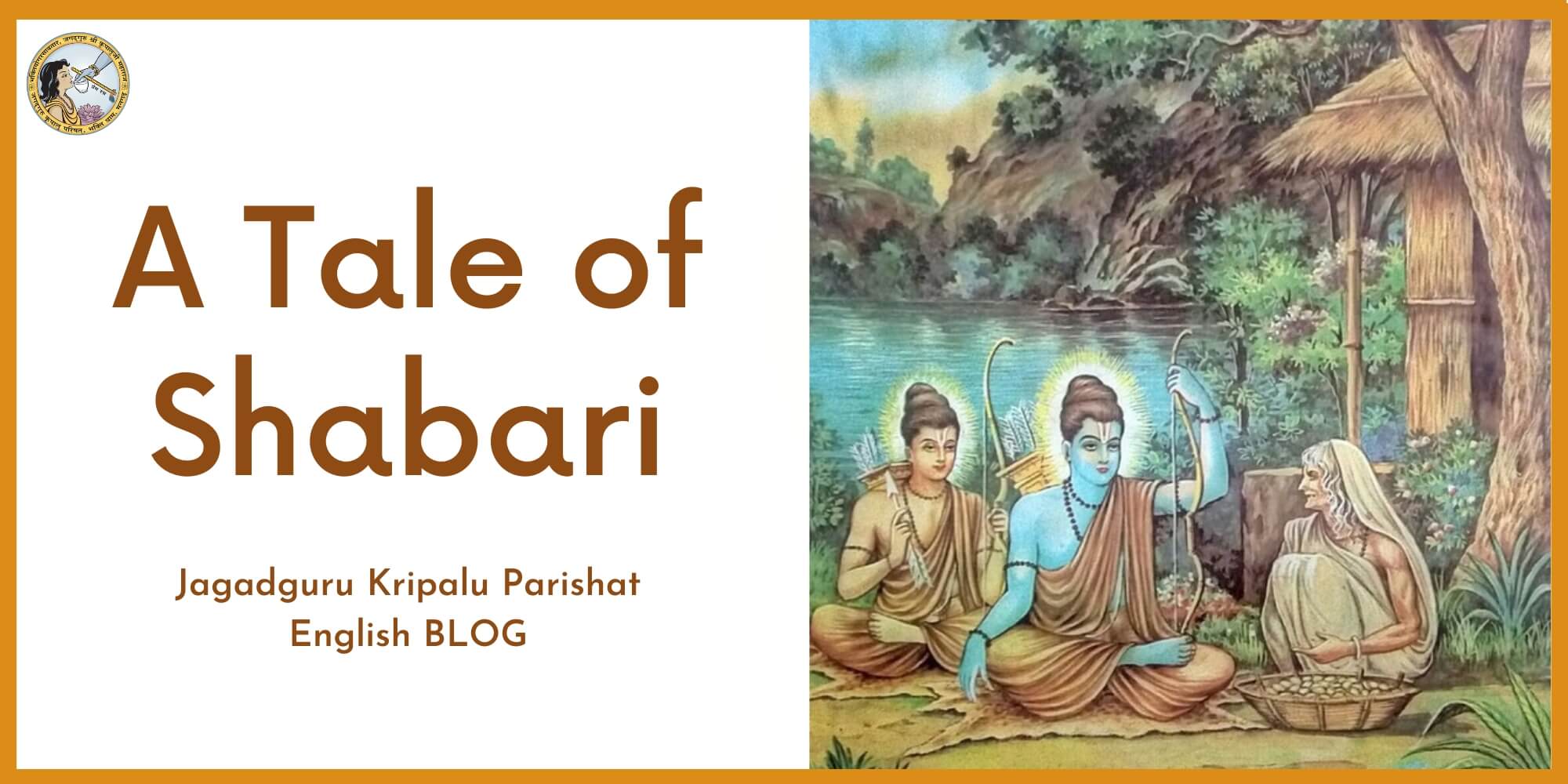
A Tale of Shabari
22 January 2024
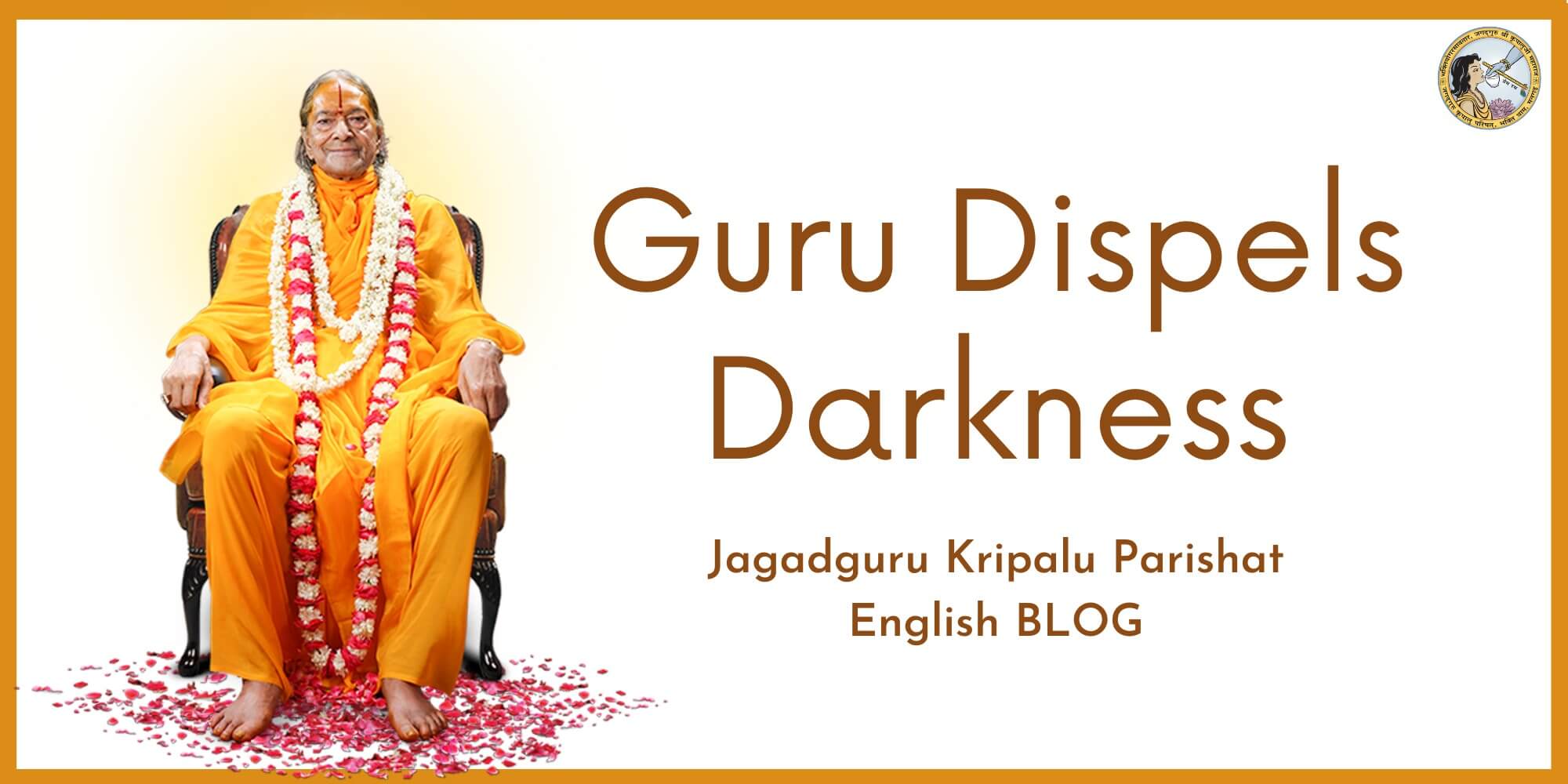
Guru Dispels Darkness
14 January 2024
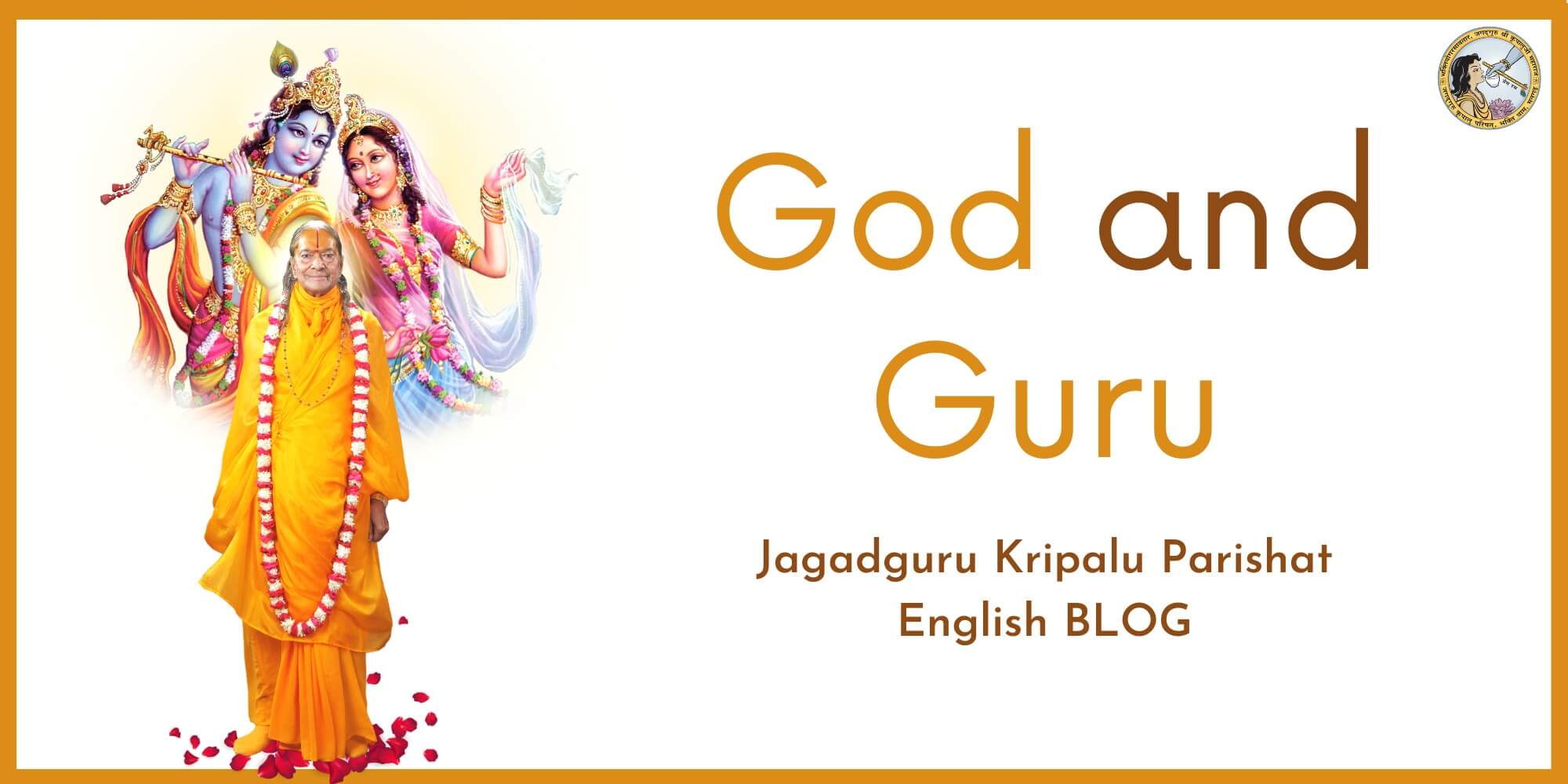
GOD and GURU
14 January 2024
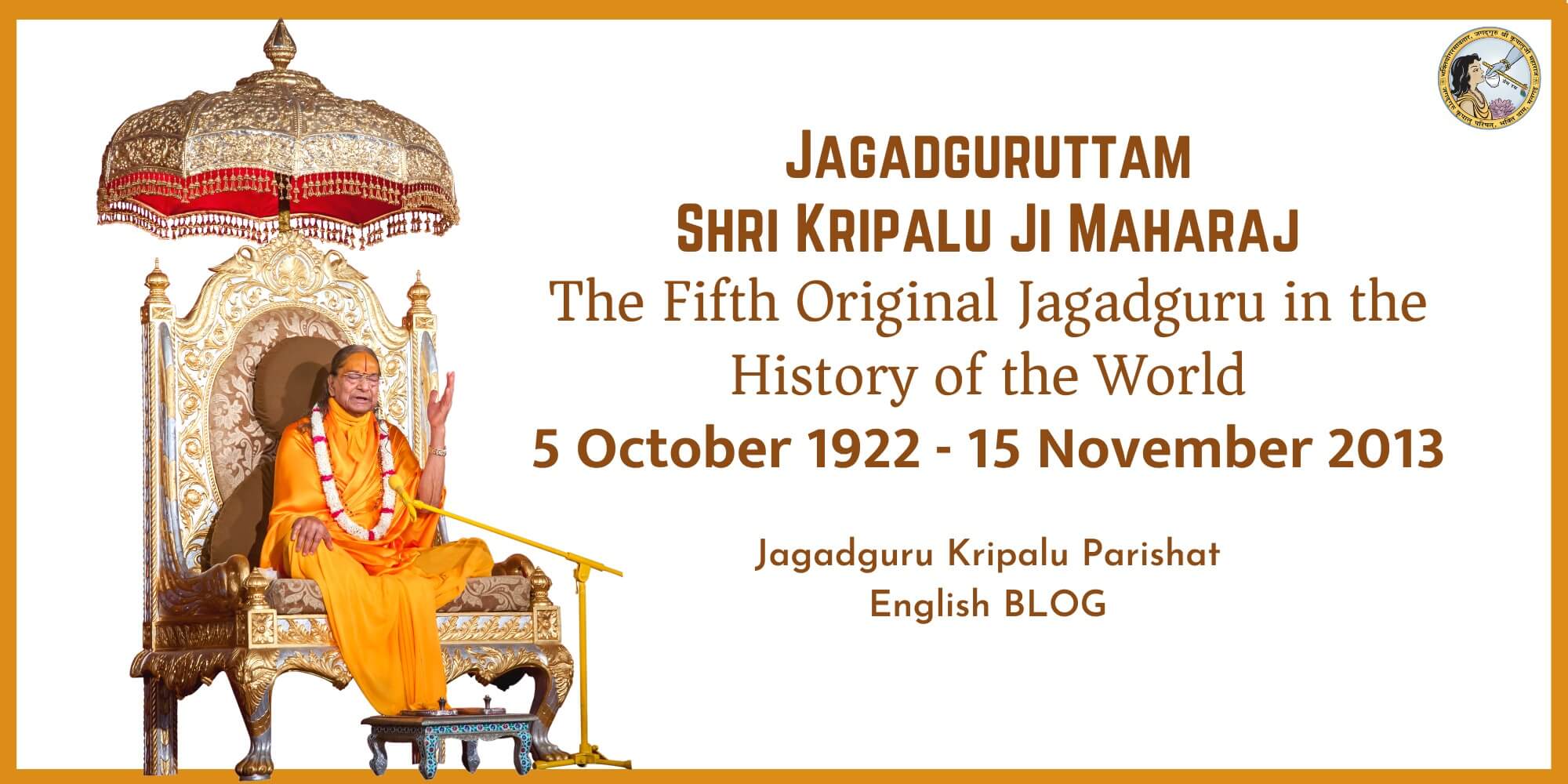
Jagadguruttam Shri Kripalu Ji Maharaj
14 January 2024
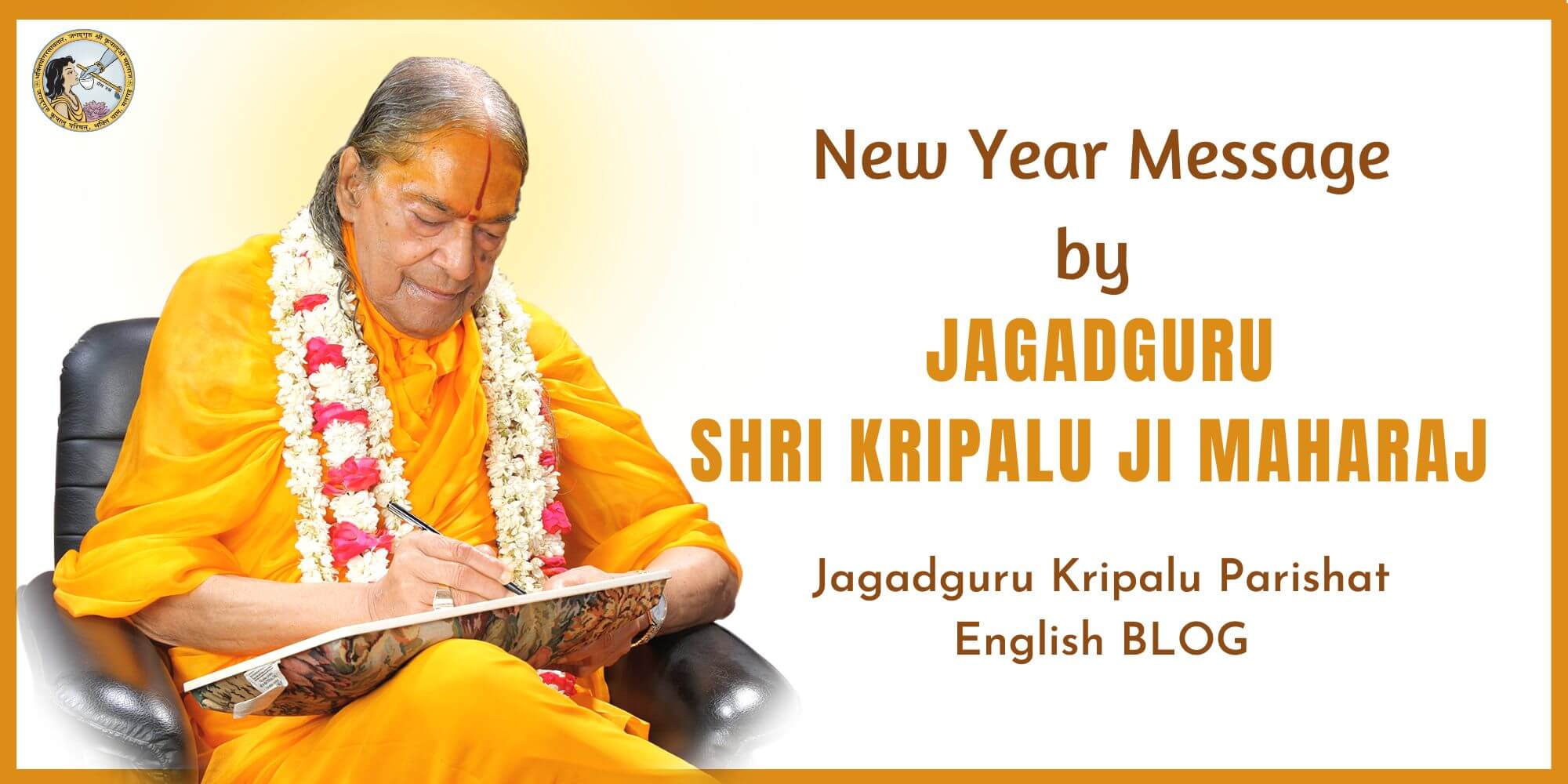
New Year Message by Jagadguru Shri Kripalu JI Maharaj
30 December 2023
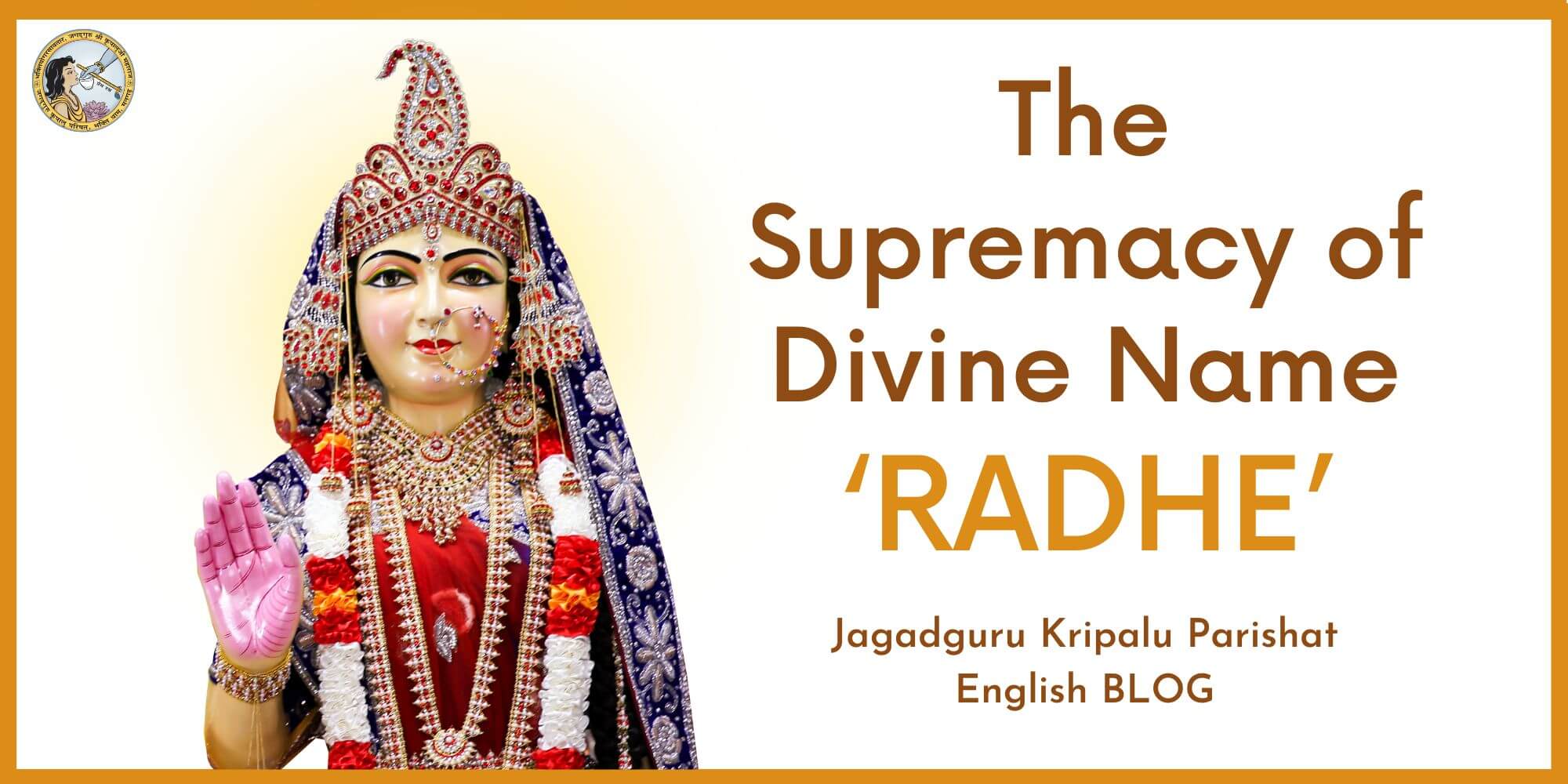
The Supremacy of Divine Name ‘RADHE’
30 December 2023
Akshay Navami
21 November 2023
Significance of Govardhan Pooja
13 November 2023
The Significance of Diwali
9 November 2023
Meaning of Karwa Chauth
31 October 2023
Sharat Purnima has come once again…
27 October 2023
Sharat Purnima
27 October 2023
How to find true peace and happiness?
13 October 2023
What is my relationship with God?
13 October 2023
Who is Shri Radha?
21 September 2023
The Supremacy of the Divine Name, ‘RADHE’
19 September 2023
What is our relationship with Shri Krishna? Part 3
28 August 2023
What is our relationship with Shri Krishna? Part 2
28 August 2023
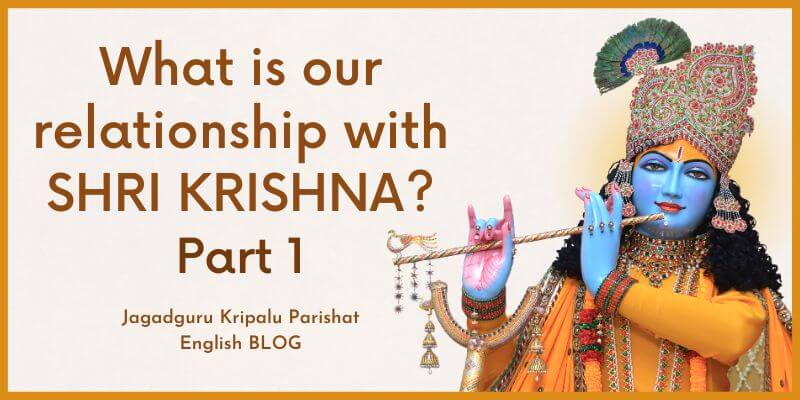
What is our relationship with Shri Krishna? Part 1
28 August 2023
The Significance of Naag Panchami
21 August 2023
The Profound Significance of Guru Purnima
30 June 2023
THE GURU
30 June 2023

Why do we have mood swings?
28 May 2023
Discovering the True Mother on Mother’s Day
12 May 2023
How do we become more tolerant?
4 January 2023
What is the root cause of poor Mental Health?
16 December 2022
How to Improve your Mental Health in 3 simple steps
9 December 2022
How to end suffering and increase our Atman Shakti?
8 December 2022
Deepawali: The True Meaning of Bringing Light into Our Lives
9 November 2026
Bhakti Mandir: Celebrating 21 Years of Divine Grace and Devo...
5 November 2026
The Spiritual Significance of Karwa Chauth
28 October 2026
Sharad Purnima: Celebrating the Divine Appearance of Jagadgu...
24 October 2026
Shri Radha Rani: The Divine Beauty That Enchants Even Krishn...
19 October 2026